How to Build an Instagram Reels Strategy That Actually Drives Engagement
Discover how to build an Instagram Reels strategy that actually drives engagement. Explore tips and experts' insightsin this detailed guide.


I see it all the time: great content that never gets the reach and engagement it deserves.
If your Reels feel hit-or-miss, it’s probably not your creativity. It’s your Instagram Reels strategy.
The platform has changed, and the Instagram Reels algorithm now rewards brands that understand how attention, retention, and relevance really work.
In this Instagram Reels strategy guide, I’ll break down exactly how to build Reels that get seen, shared, and saved, without chasing trends that don’t convert.
So let’s get into what actually drives engagement.
Key takeaways
-
How to create an engaging Instagram Reels strategy? Build your Reels strategy around audience behavior and performance data, turning proven content patterns into repeatable, goal-driven systems rather than one-off videos.
-
Effective content pillars for businesses that you should integrate into your Reels strategy: focus on repeatable pillars like tutorials, behind-the-scenes moments, product demos, UGC, trends, and thought leadership to create structured yet engaging content that aligns with what your audience already values.
-
Best practices for creating a highly performing Instagram Reels strategy: hook attention in the first seconds, prioritize clarity and structure, use repeatable formats, and continuously test and optimize based on retention and engagement insights.
How to create an engaging Instagram Reels strategy?
Every strong Reels strategy starts with how people actually use the app.
Before formats, hooks, or posting schedules, I focus on behavior: what people ask, what earns a pause, and what feels worth watching.
And I’m not the only one who does that.
I recently sat down for a chat with Patrick Timmons, Social & Brand Communications Manager at PandaDoc, and below you'll find a couple of the insights that he gave me for creating an engaging Reels strategy.
I start with audience behavior, not trends. I look at what questions people are already asking, what moments make them stop scrolling, and where Reels can add clarity, humor, or usefulness fast. From there, I design repeatable formats that ladder back to a clear goal… awareness, trust, or action… and test aggressively. Reels aren’t one-offs. They’re systems.
Thus, with audience behavior as the starting point, the social media tactics below show how to turn those insights into engaging Reels:
1. Start by identifying your best-performing content categories
One of the best practices for Reels is starting with evidence, not assumptions.
So before deciding what to post, I always look at which content pillars for social media are already earning attention.
Now, let me show you how I use social media data to discover where engagement naturally concentrates and where Reels have the highest chance to amplify results.
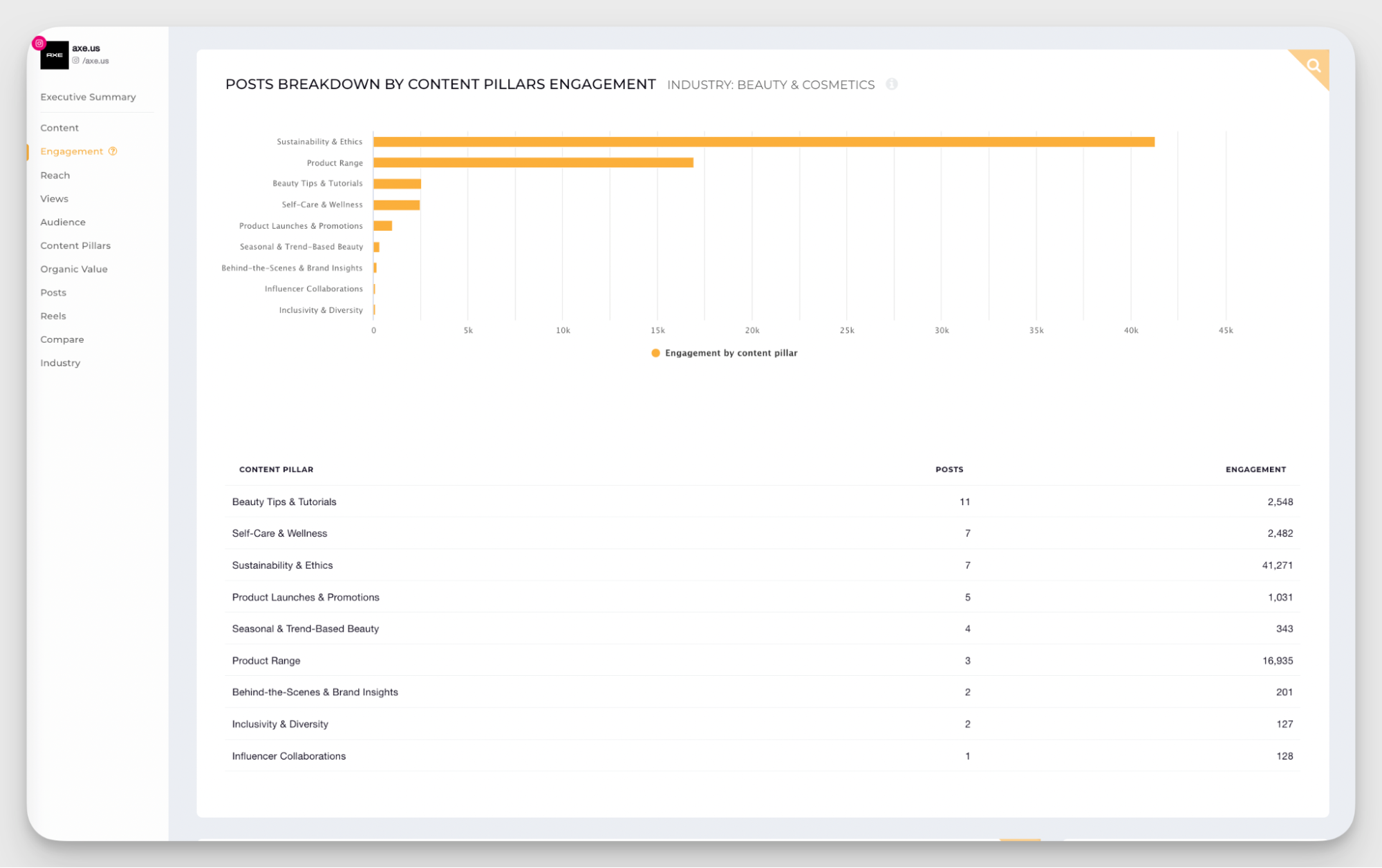
The image below shows an extract from the Socialinsider dashboard for Axe, breaking down engagement by content category.
While categories like Sustainability & Ethics and Product Range generate significantly more engagement despite a lower number of posts, others contribute far less even with higher output.
This is how a strong social media content strategy starts to take shape.
High-performing pillars tell you what your audience already cares about, making them the smartest foundation for Reels.
So instead of spreading effort evenly, it’s wiser to prioritize the categories and design Reels formats that extend what’s already working.
That focus turns isolated wins into a system and keeps your Reels aligned with real audience behavior.
2. Identify patterns in your most successful Reels
Social media optimization starts with pattern recognition, looking beyond individual posts to understand the elements that consistently drive engagement.
And now that you know which content categories perform best, the next step for a strong Instagram Reels marketing strategy is understanding why certain Reels outperform others.
When I analyze top-performing Reels, I’m not focused on isolated wins. I study repeat signals: hooks that keep viewers watching, video length that improves retention, pacing that feels natural, and the way captions or on-screen text support the story.
Patterns turn success from accidental into intentional, and they’re the backbone of any scalable video marketing strategy.
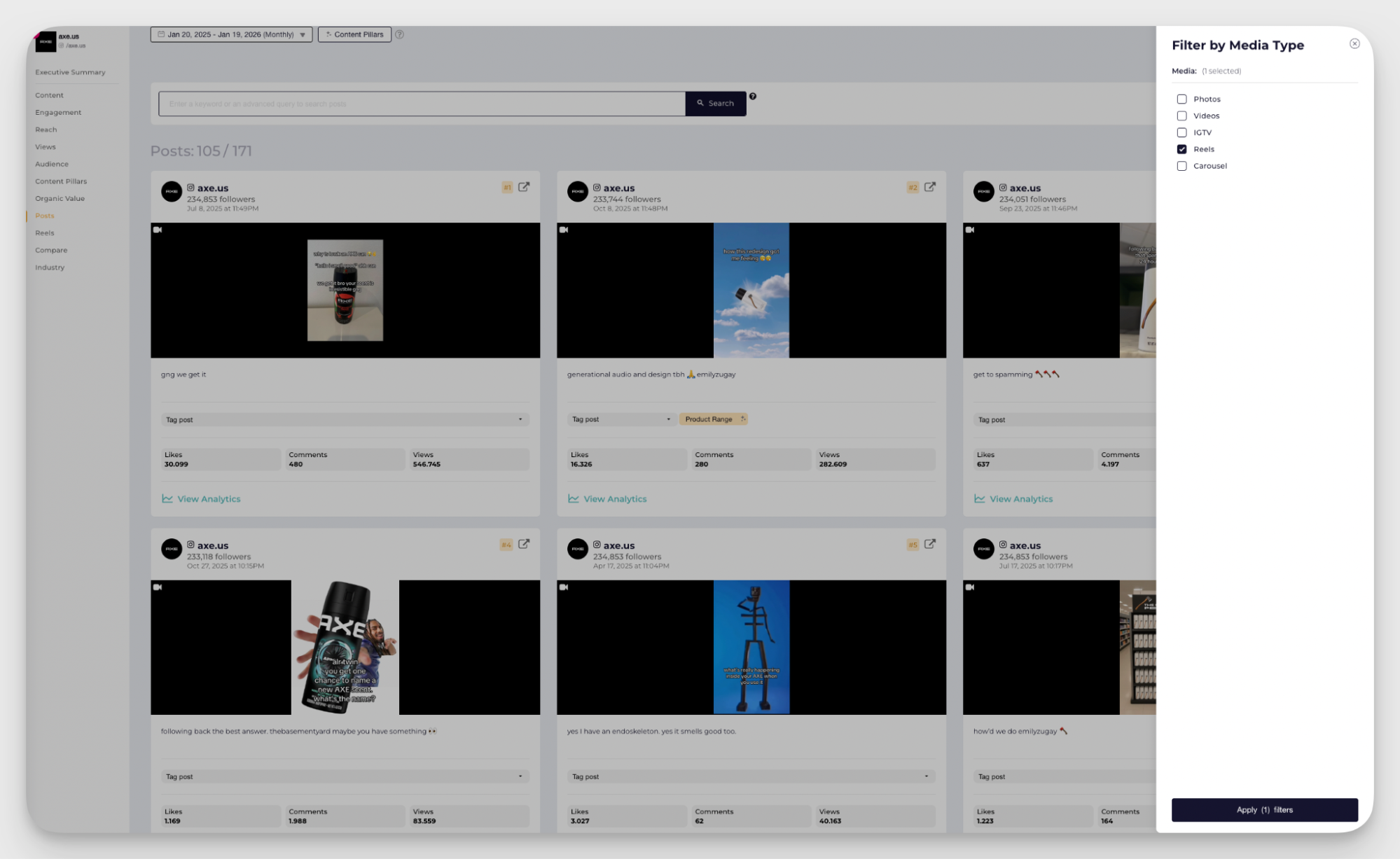
Luckily, with Socialinsider, I can filter posts by content format to isolate Reels and compare them side by side.
This way, I can quickly spot what the strongest videos have in common, whether it’s educational openings, faster edits, clear framing, or a specific narrative flow.
So instead of constantly chasing new ideas, I treat these patterns as a roadmap for continuous future optimization.
Each Reel becomes a chance to test, adjust, and improve, making your video marketing strategy more consistent, more efficient, and easier to scale.
3. Adapt your content length to best practices
If you want Reels to perform consistently, you need a few non-negotiables in place: a clear hook, tight pacing, and a structure that makes people stay to the end.
And length? Length sits right inside that structure. It affects retention, completion rate, and whether viewers feel like they got something out of the watch.
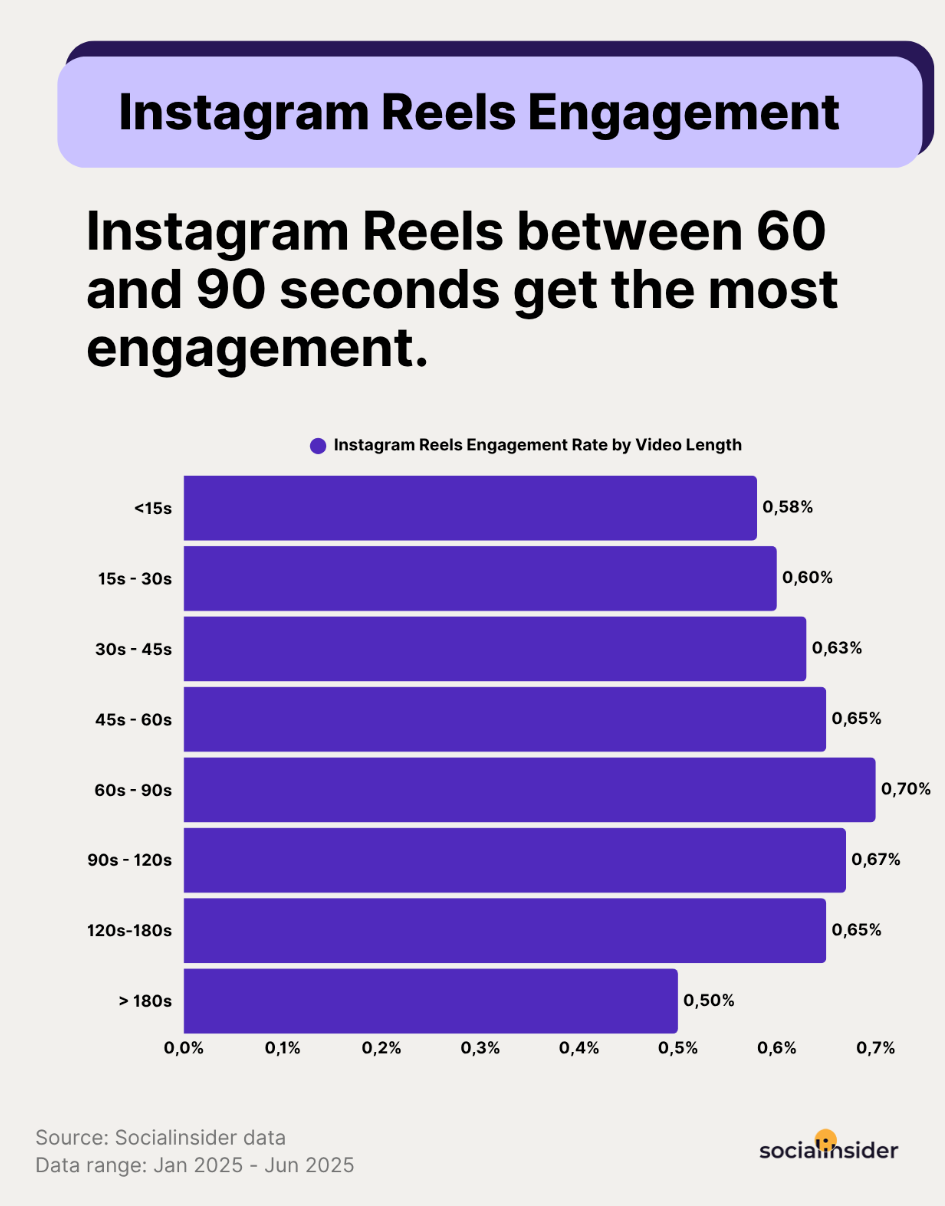
According to Socialinsider’s Instagram Reels length study, Reels between 60 and 90 seconds generate the highest engagement. This range gives you enough time to deliver a full idea without stretching the message thin.
Thus, adapting your social media content's length to proven best practices helps your Reels work with audience behavior instead of against it.
When structure and length are intentional, your content is easier to watch, easier to finish, and far more likely to earn engagement.
4. Analyze your competitor’s Reels performance to get to see what’s working and what’s not
After analyzing your own Reels, the next step is pressure-testing those insights against the wider landscape.
In other words, it’s time for a competitive analysis on Instagram. Not to copy content, but to understand what consistently earns attention in a specific niche.
A social media competitor analysis helps put performance into context: a Reel that performs well in isolation is interesting. A Reel that performs well across accounts points to something more repeatable.
This is the core value of content competitor analysis: it shows you which ideas scale beyond a single brand.
For example, when analyzing Axe’s Reels engagement over time, a clear spike appears in their performance.
Spikes like this usually indicate content that significantly outperformed their baseline, often tied to a specific format, narrative angle, or execution style.
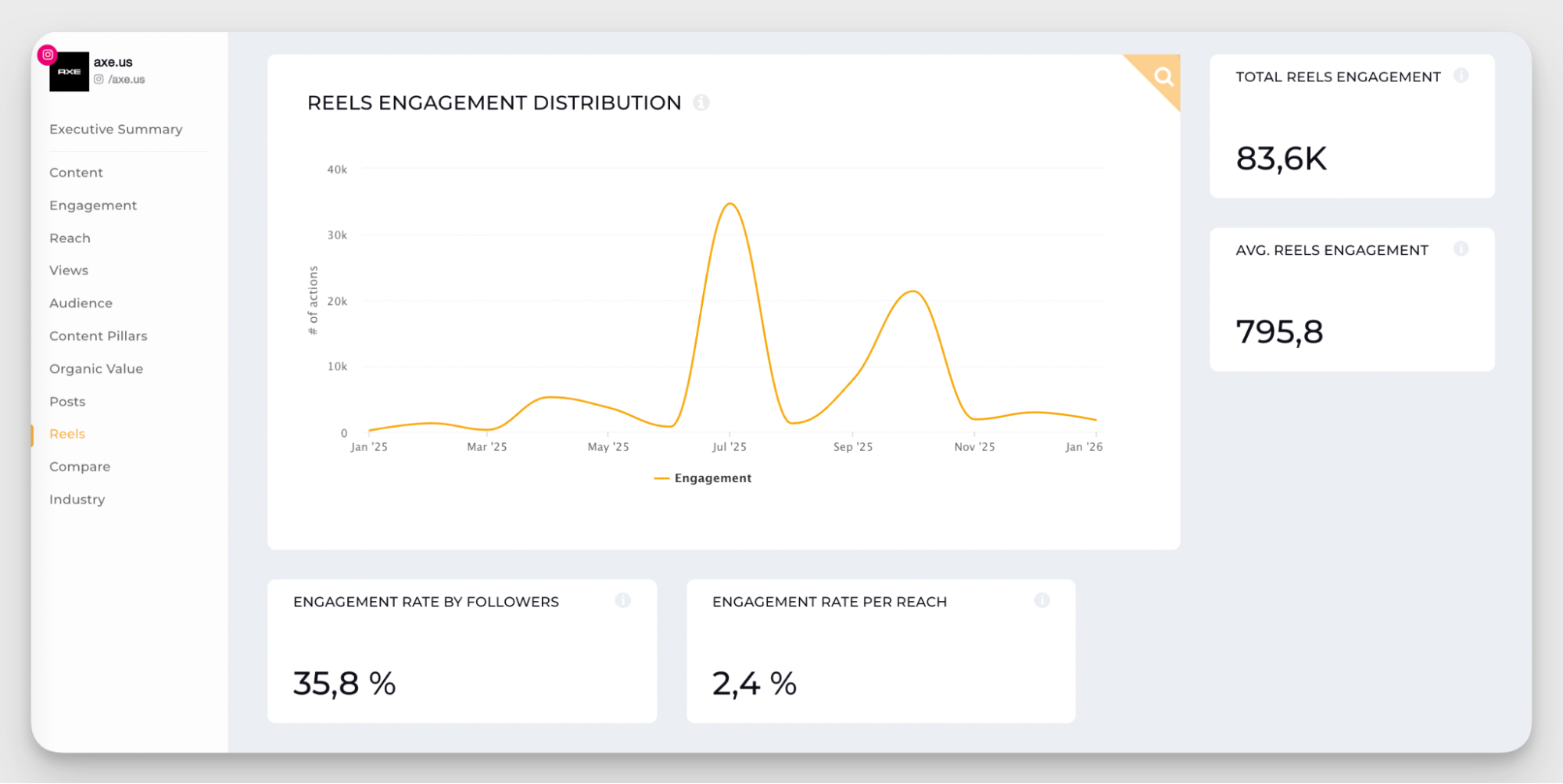
And by using Socialinsider as my trusted competitive analysis tool, I can break that spike down to identify the exact Reels driving it.
This way, I can see which posts caused the lift, how they were structured, and how audiences interacted with them. This turns raw data into practical competitive insights I can actually use.
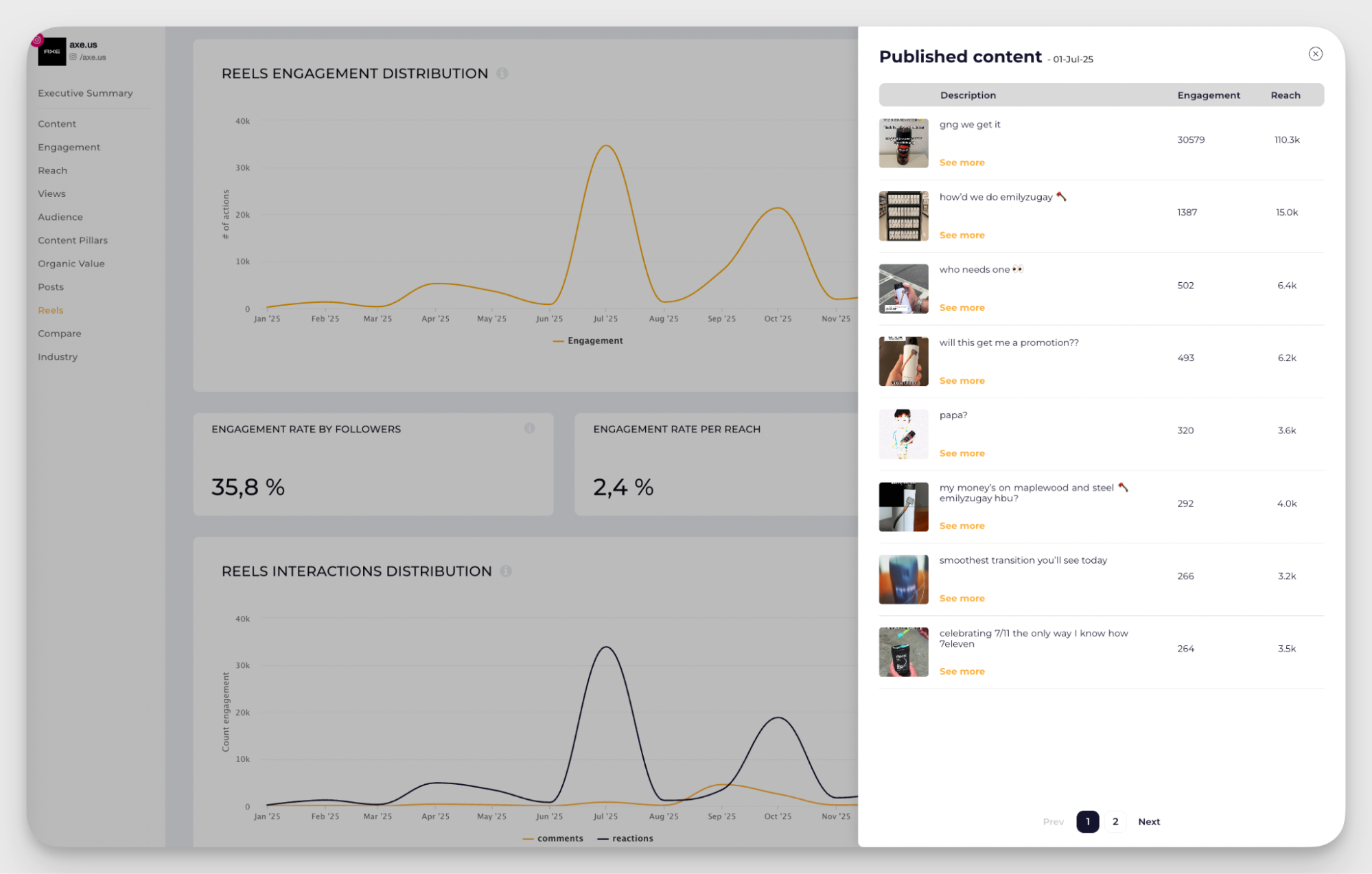
Over time, ongoing competitive monitoring reveals patterns that matter: which formats competitors repeat when engagement is high, which themes fade quickly, and where performance drops despite high posting volume.
When you layer these insights on top of your own data, your Instagram Reels posting strategy decisions become clearer, faster, and far more intentional.
Here's Patrick's insight on this as well:
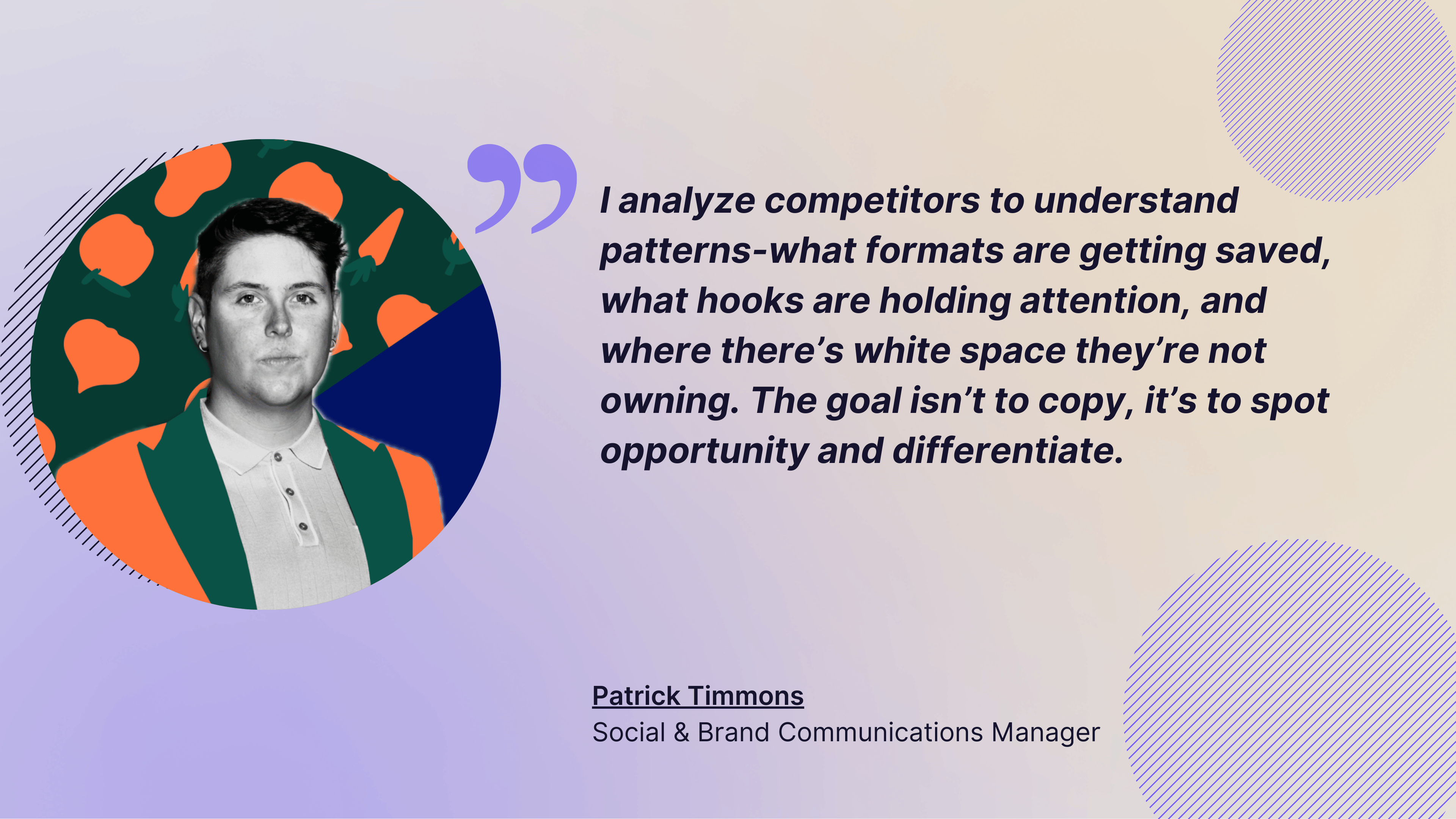
I analyze competitors to understand patterns - what formats are getting saved, what hooks are holding attention, and where there’s white space they’re not owning. The goal isn’t to copy, it’s to spot opportunity and differentiate.
Effective content pillars for businesses that you should integrate into your Reels strategy
Everyone keeps asking me: what types of content should I double down on?
In a strong content strategy for Instagram Reels, pillars help you organize ideas around what consistently earns attention and drives Instagram engagement.
They give structure to creation without limiting creativity, making it easier to decide how to create content for social media that feels relevant, repeatable, and aligned with how people actually watch Reels.
Below are the core content pillars I see businesses use most effectively when building a scalable Reels strategy.
Tutorial and how-to Reels
They work because they answer questions people are already asking and reward attention with clarity or progress.
For instance, Havenly consistently shares educational, design-focused Reels that offer interior design tips, color pairing tutorials, and layout education.
Their content breaks ideas down into quick, digestible moments, whether it’s highlighting common design mistakes or showing simple ways to elevate a room.
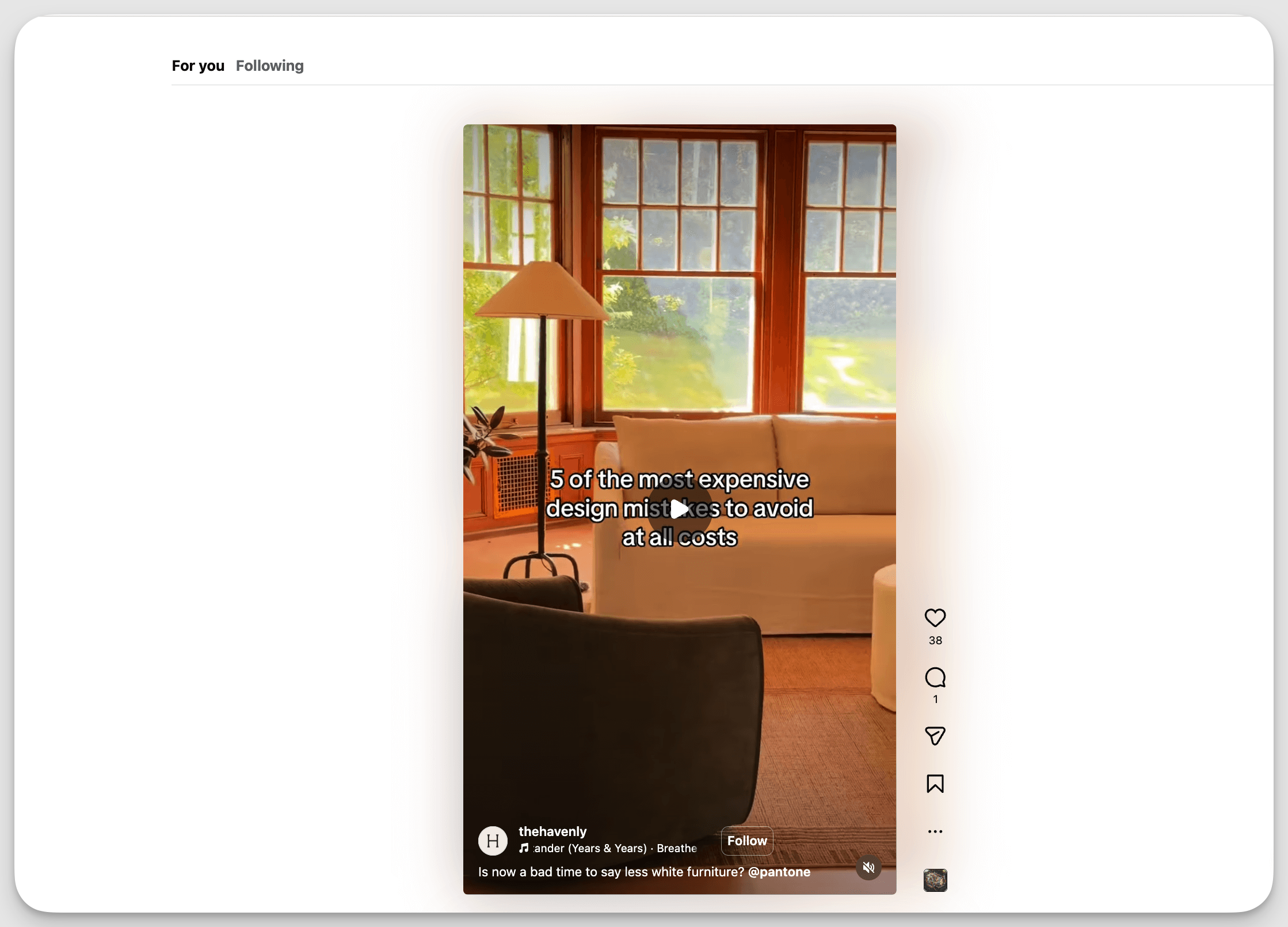
When creating how-to content, keep the scope tight.
Focus on one problem per Reel and make the outcome obvious within the first few seconds so viewers immediately understand what they’ll gain by watching.
Behind-the-scenes content
Behind-the-scenes Reels provide context. They show how things work, how decisions are made, or what goes on beyond the polished end result.
This type of content builds familiarity and trust, which often leads to higher engagement over time.
Notion, for example, regularly shares interview-style Reels featuring team members across the company. Rather than feeling overly produced, these clips feel conversational.
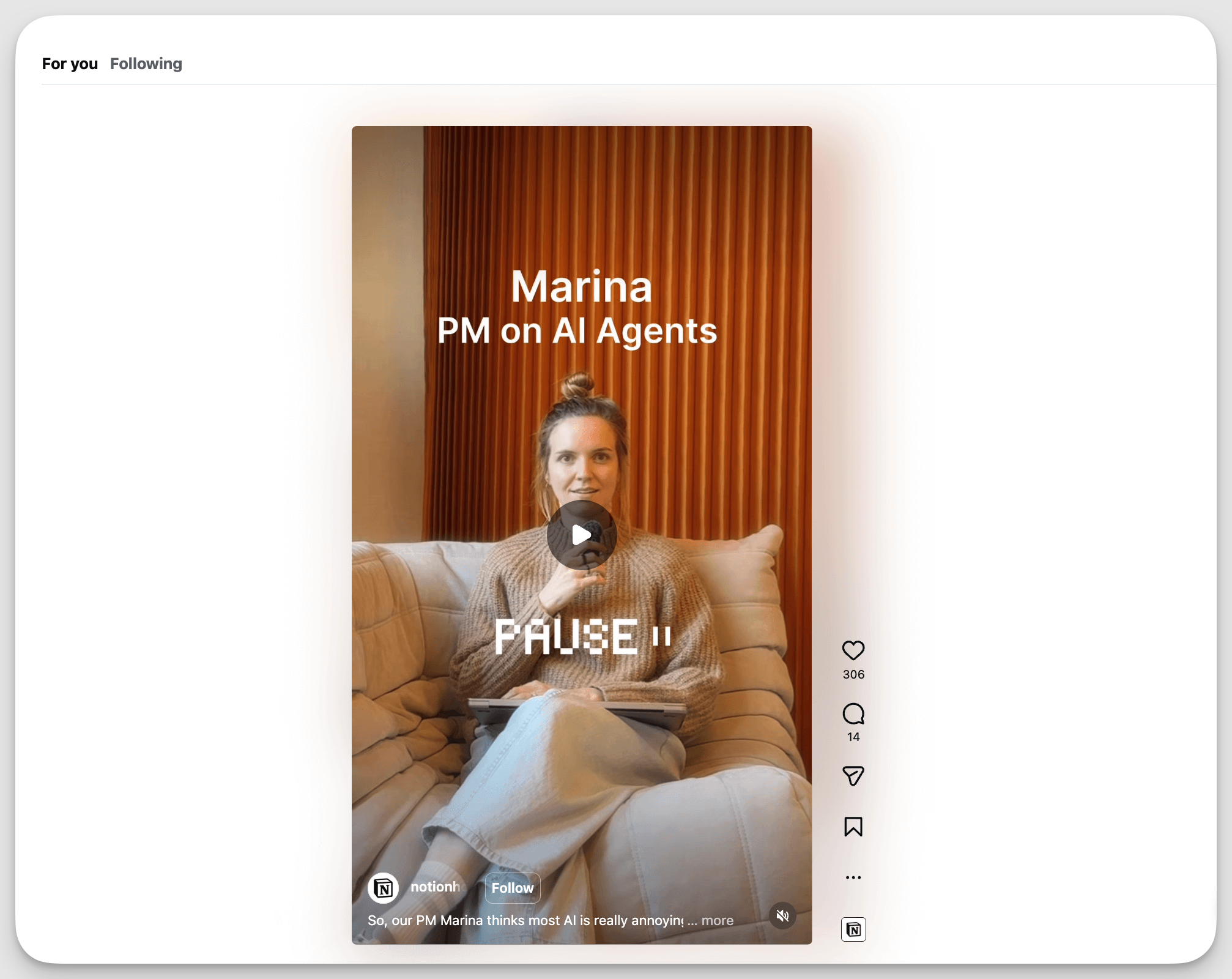
Content like this builds familiarity over time.
When audiences start recognizing the faces and voices behind a brand, engagement becomes more about an ongoing relationship that keeps people coming back.
Product demonstrations and features
When products are shown in use, rather than described, they become easier to understand and easier to imagine owning.
Reels in this pillar perform best when they’re framed around real scenarios, comparisons, or transformations instead of promotions.
A great example is Popflex’s Y2K Cargo Pant Reel, where they highlight a common pain point—cargo pants that feel bulky and unflattering—and show how their design solves it.
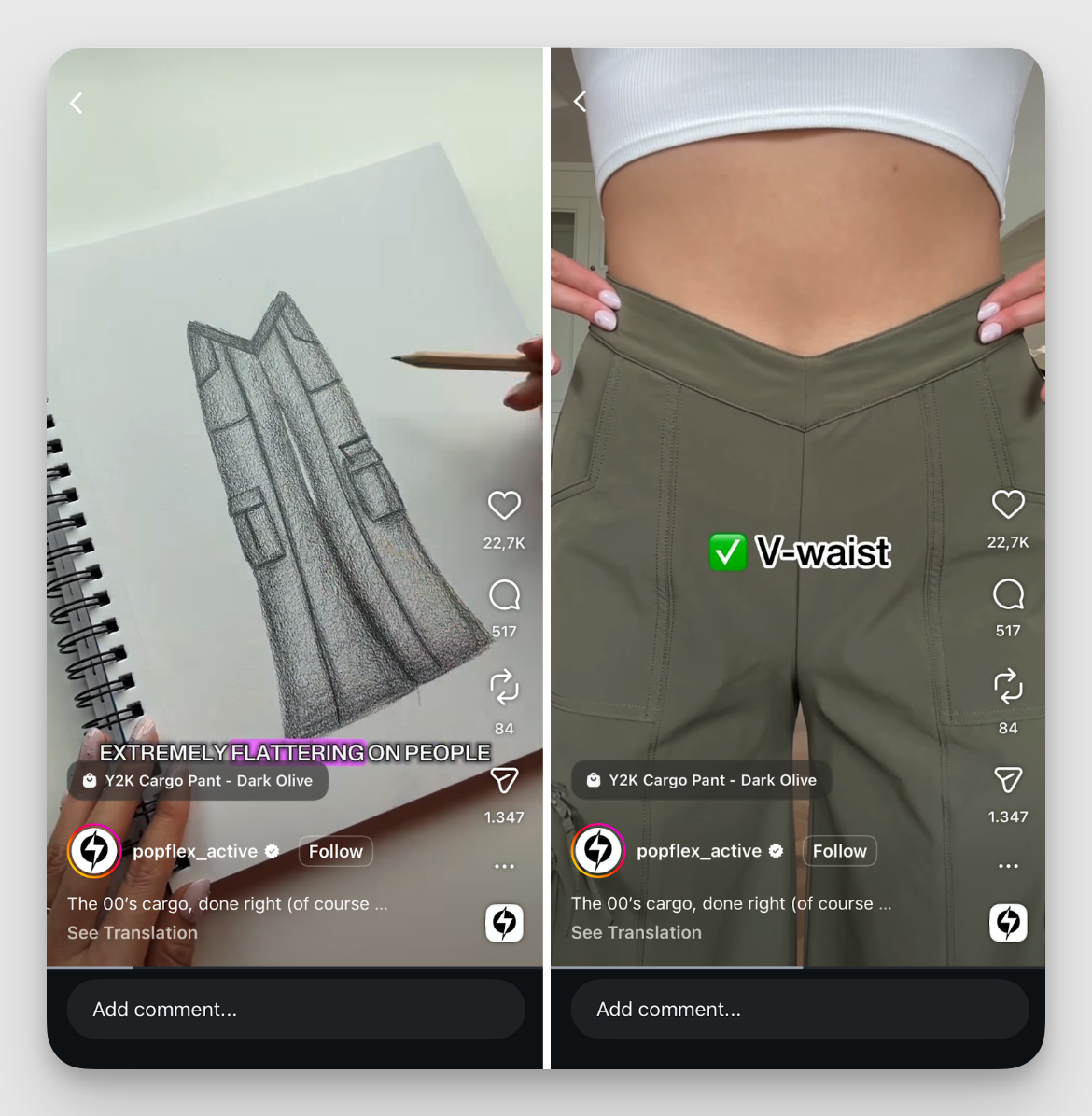
Instead of just listing benefits, the video demonstrates the product in action, showcasing water-resistant fabric, stretch, anti-snag durability, and functional pockets.
By visually moving from problem → design → real wear, the Reel feels informative rather than promotional.
Customer testimonials and UGC
Audience voices often carry more weight than brand messaging.
Testimonials and user-generated content add credibility and reduce hesitation.
These Reels work particularly well when they feel specific and unscripted, highlighting real experiences rather than general praise.
Liquid Death is a strong example of this approach.
The brand leans into edgy meme culture and viral fan content built around social trends, encouraging followers to create bold, personality-driven videos that reflect its rebellious identity.
By amplifying playful experiments, fan challenges, and creator-led humor, Liquid Death turns community participation into a core storytelling engine rather than just occasional testimonials.
Trend-jacking and challenge participation
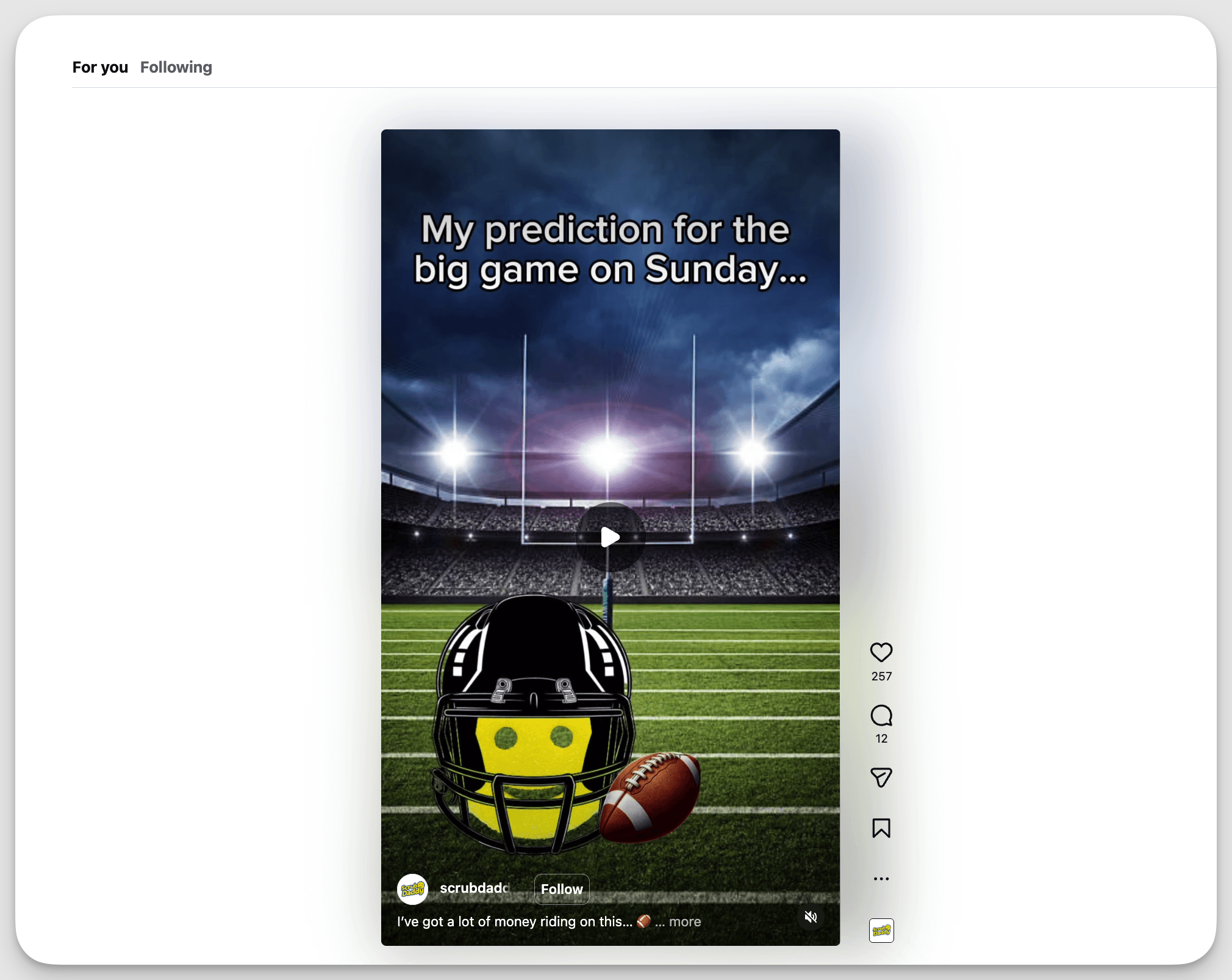
Trends can increase discoverability, but only when they’re adapted thoughtfully.
The most effective trend-based Reels use familiar formats to deliver a message that still feels on-brand and relevant to the audience.
Industry insights and thought leadership
This pillar attracts viewers who are looking for perspective, not just content.
Sharing insights, opinions, or lessons learned helps position your brand as informed and credible. Short, focused takes tend to perform best, especially when they challenge assumptions or clarify complex ideas.
WHOOP leans into this approach by turning performance data, athlete interviews, and expert conversations into short-form insight-driven content
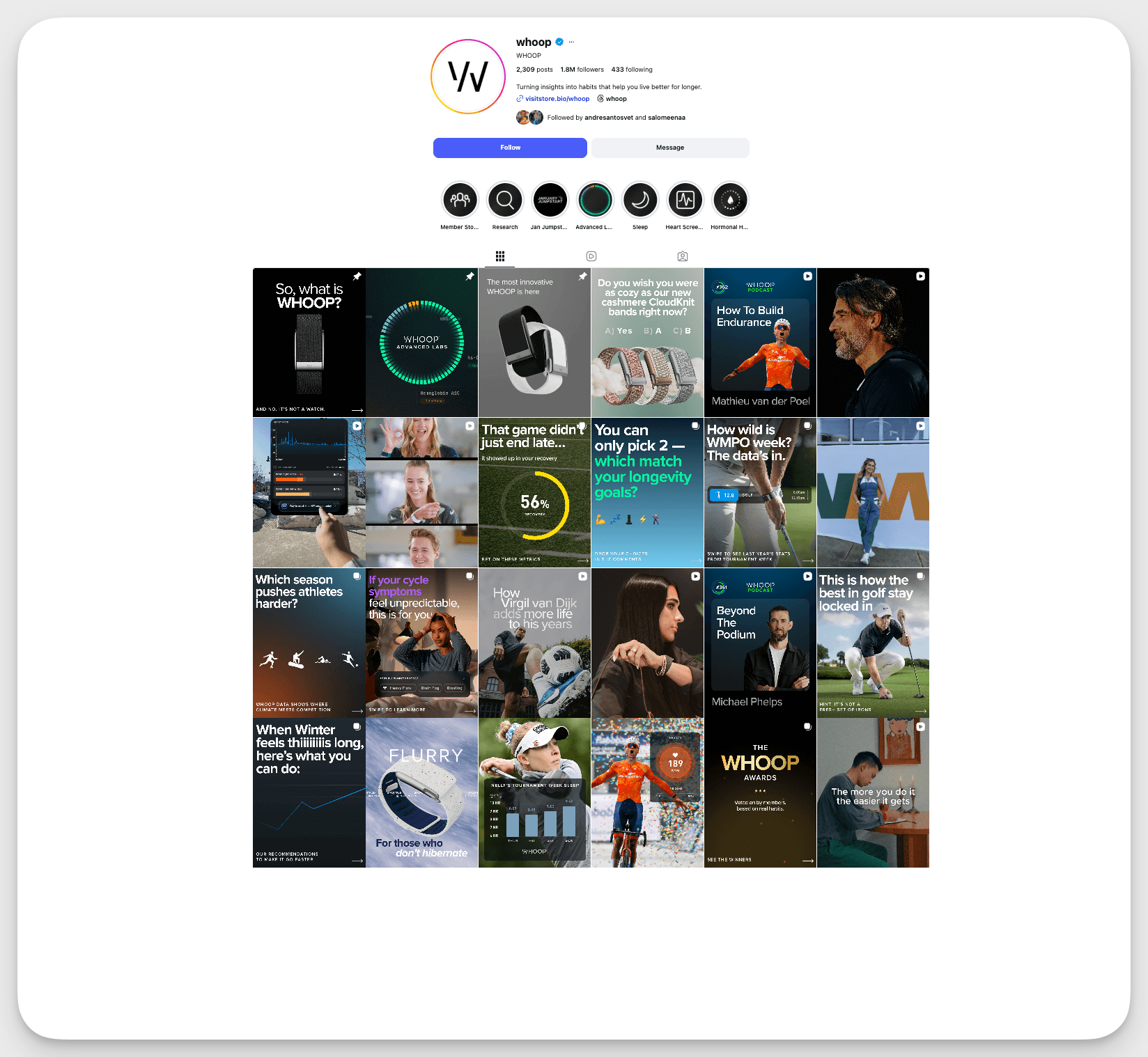
Through podcast clips, training discussions, and real user stories, the brand frames itself as a source of education and perspective. This way, it reinforces authority in recovery, performance, and lifestyle optimization.
The best-performing Reels usually do one thing exceptionally well:
- Teach something quickly and clearly
- Capture a relatable moment people feel seen by
- Share a strong POV that invites reaction or conversation
Simple visuals, fast pacing, and human presence consistently outperform over-produced content.
Best practices for creating a highly performing Instagram Reels strategy
Once you’ve built your Reels strategy around audience behavior, content pillars, and performance patterns, execution becomes the deciding factor.
This is where small choices start to compound: how fast you hook attention, how clearly you communicate, how often you test.
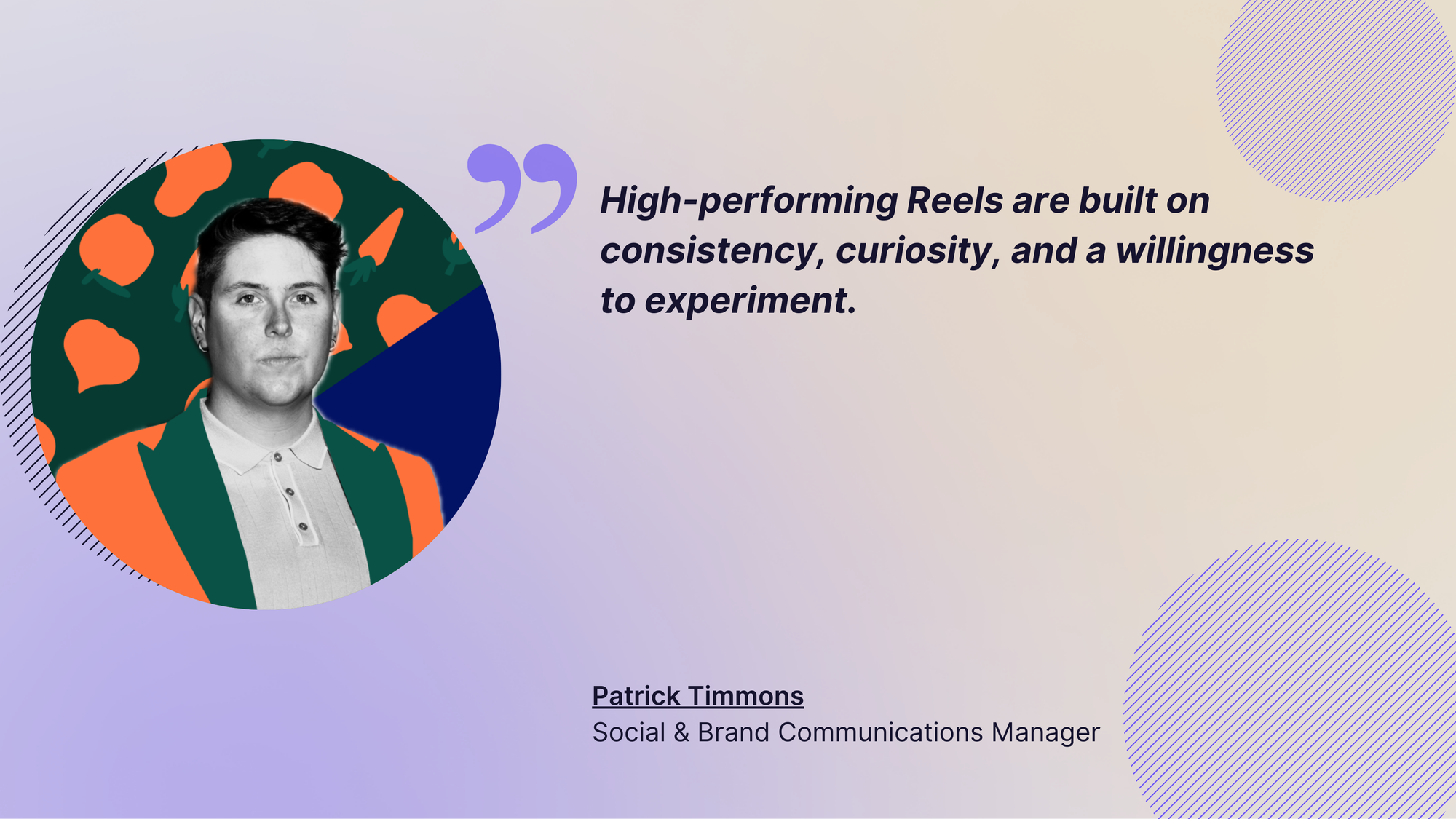
Social media expert Patrick Timmons brings together the core Instagram best practices that consistently show up in high-performing Reels: strong early hooks, clarity over complexity, repeatable formats, and constant experimentation.
These principles act as a practical filter for evaluating and improving every Reel you publish.
- Hook immediately… the first 1–2 seconds matter most
- Design for sound and no sound
- Use repeatable formats so audiences know what to expect
- Prioritize clarity over cleverness
- Test often, learn quickly, and evolve based on performance
High-performing Reels are built on consistency, curiosity, and a willingness to experiment.
On this note, I’ll translate those best practices into specific actions you can take to increase watch time, social media engagement, and overall performance.
Test various text overlays and caption techniques to increase watch time
Attention isn’t just captured visually. It’s engineered through an information hierarchy.
High-performing Reels treat on-screen text as a storytelling layer that guides the viewer’s cognitive flow.
So instead of testing random hooks, structure experimentation around clear variables: opening claim vs. curiosity gap, question-led framing vs. outcome-led framing, and fast-paced micro-copy vs. slower explanatory overlays.
Advanced teams often build a small internal “hook library,” tracking which phrasing patterns drive higher retention across topics.
Timing also matters as much as wording.
Text that appears slightly ahead of spoken audio can create anticipation, while delayed captions can reinforce key moments or signal a shift in narrative.
Mapping text placement against audience retention graphs helps identify where viewers hesitate or drop off, revealing whether clarity issues are causing disengagement.
In the end, approaching text overlays as repeatable building blocks makes experimentation quicker and turns watch-time growth into a more predictable outcome.
Identify the best transitions and editing approaches to keep viewers engaged
High-performing Reels use transitions as behavioral cues that signal progress and reward continued viewing. Especially during the middle portion where retention typically declines.
Rather than chasing trendy edits, analyze where energy drops in your videos.
Micro-cuts, zoom adjustments, or subtle motion shifts every few seconds can re-anchor attention without overwhelming the viewer.
Many advanced teams create repeatable editing rhythms (consistent pacing patterns that audiences subconsciously recognize) which reduces cognitive friction and increases completion rates.
Transitions should also support narrative clarity. Hard cuts can emphasize authority or speed, while softer transitions can help educational or storytelling formats feel more digestible.
Reviewing frame-by-frame retention alongside editing timelines often reveals that small structural changes can significantly improve watch time.
Ultimately, effective editing systems balance efficiency with experimentation.
Use Reels to highlight influencer partnerships
At this stage, influencer marketing campaigns should strengthen the execution principles that are already driving performance and not feel like one-offs.
The real value of influencer partnerships at this stage is perspective: showing your product, ideas, or industry through someone else’s lens in a way your brand alone can’t replicate.
What I’ve found works best is building collaborations around a specific role the creator plays in your content ecosystem.
Maybe they’re the expert who challenges your usual point of view, the practitioner who shows real-world use, or the outsider who asks the questions your audience is already thinking.
When the creator has a defined narrative purpose, the Reel feels intentional rather than promotional.
Recurring creator moments, such as a familiar face testing new features, reacting to industry shifts, or documenting a process over time, build familiarity and make collaborations feel like part of the story your audience is following.
Final thoughts
At the end of the day, Reels work best when you stop overthinking them.
Pay attention to what your audience responds to, keep what works, and let go of what doesn’t.
The more you treat Reels like an ongoing conversation instead of a one-time performance, the easier it becomes to create content that actually connects.
Anda Radulescu
Content writer & copywriter with a 5-year track record in digital marketing. Equal parts keen observer & committed go-getter. A proud cat mom with a passion for music & exploring the world.

Know what your competitors do — before your manager asks
Get instant social benchmarks & reports without manual work.
You might also like



Improve your social media strategy with Socialinsider!
Use in-depth data to measure your social accounts’ performance, analyze competitors, and gain insights to improve your strategy.