Organic vs Paid Social Media: When and How to Mix Them
Explore the benefits of organic vs paid social media. Understand which strategy suits your business goals and how to effectively implement them.

Let’s get real—if you work in digital marketing, you’ve probably asked yourself: Should I focus on organic social media, paid social media, or both? The endless advice on “organic vs paid social media marketing” can make your head spin. But the truth is, there’s no one-size-fits-all answer. Some days you need the authenticity and trust that only organic social media posts can bring. Other times, you need the turbo boost and targeted results of paid social media advertising.
This guide breaks down the difference between organic and paid social media, covers the best organic and paid strategies, and helps you choose (and combine) them for your brand at any stage. Let’s dig in!
Key takeaways
-
What is and what are the benefits of organic social media? Organic social media is all about building genuine relationships and trust with your audience naturally—turning followers into loyal fans without paid promotion.
-
How to create an organic social media strategy? Start by analyzing your best-performing content and your competitors, then consistently share what resonates most to drive real engagement and community growth.
-
What is paid social media and when shoult it be used? Paid social media helps you quickly reach targeted audiences and scale your message—perfect for launches, promotions, or amplifying proven content when you need results fast.
-
How to decide which approach is best for you based on your business stage? Match your strategy to your stage: focus on organic for building trust early, then layer in paid tactics as you grow and need to scale results or reach new markets.
-
What are the strengths of each platform for organic vs paid capabilities? Each social platform offers unique opportunities: some excel at building communities organically, while others shine with precision targeting and rapid reach through paid campaigns.
-
Why does a hybrid strategy make for the best case, and how to approach it? Blending organic and paid lets you earn trust, boost reach, and turn simple posts into meaningful business results—making every part of your social presence work harder, together.
What is organic social media?
Picture your favorite brands’ posts on Instagram, Twitter, or Facebook—the funny TikTok, the heartfelt LinkedIn story, the tips shared in a Facebook Group. When these are posted without dollars behind them, that’s what we call organic social.
An organic social media post means you’re putting your message out into the world, and relying on your followers, your content’s quality, and maybe a little luck for it to be seen and shared.
Organic social media marketing is all about authentically building a connection with your audience—no ad spend required. You share updates, helpful info, moments from your company life, and maybe even jump on the latest memes.
With a great organic social strategy, your followers become fans, and your fans become vocal supporters.
What are the benefits of having an organic social media strategy?
It’s easy to get tempted by big paid campaigns, but don’t underestimate the power of organic social media. Here’s the real story on why organic is non-negotiable:
- Authenticity & trust: Let’s face it—people crave realness. Consistent, genuine organic social content builds credibility and trust, making your brand feel human. That’s a huge benefit of organic social media.
- Cost-effective growth: Wondering how much does organic content cost? Really, your investment is mostly time and creativity—not ad spend. If you do it well, organic posts stretch your marketing budget like nothing else.
- Community vibes: Brands with an organic social strategy build loyal tribes. Engaged followers talk about you, share your organic social posts, and fuel word-of-mouth hype.
- Deep insights: Your audience’s comments, shares, and likes? It’s gold dust for learning about your customers and what they care about—a huge advantage over paid social alone.
- Content that lasts: Unlike paid content, organic social media posts keep showing up in searches, hashtags, and even Google, driving “passive” visibility for months or even years.
Strategies for crafting an effective organic social strategy
So, how do you actually win with organic social these day? Gone are the days of posting just for the sake of being present.
Winning with organic social takes intention, real insights, and yes—a bit of healthy spying on the competition.
Here’s a step-by-step blueprint for building an organic social media strategy that genuinely moves the needle for your brand.
Audit your current state and understand what’s working organically
Before you can improve, you need a clear-eyed look at what’s already happening on your channels. This is where a tool like Socialinsider becomes your superpower.
Here's a personal piece of advice - don’t just skim the surface. Dive deep to uncover the patterns driving real results.
Start with an advanced engagement analysis
It’s tempting to measure success by likes—or even just your engagement rate—but engagement on organic social is multi-dimensional.
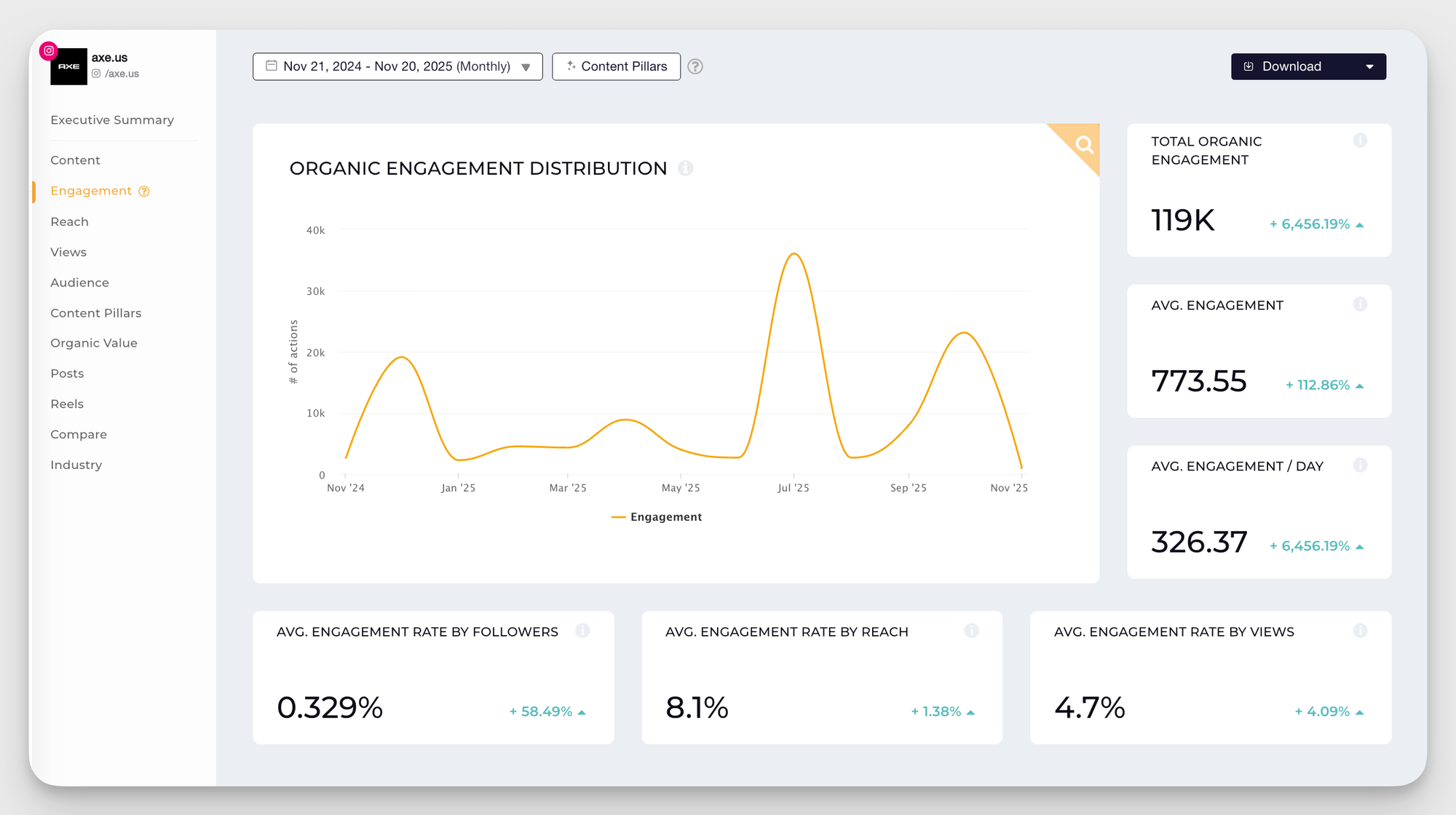
With Socialinsider, you can not only get a thorough engagement analysis, but also go beyond likes to dig into reactive engagement signals such as:
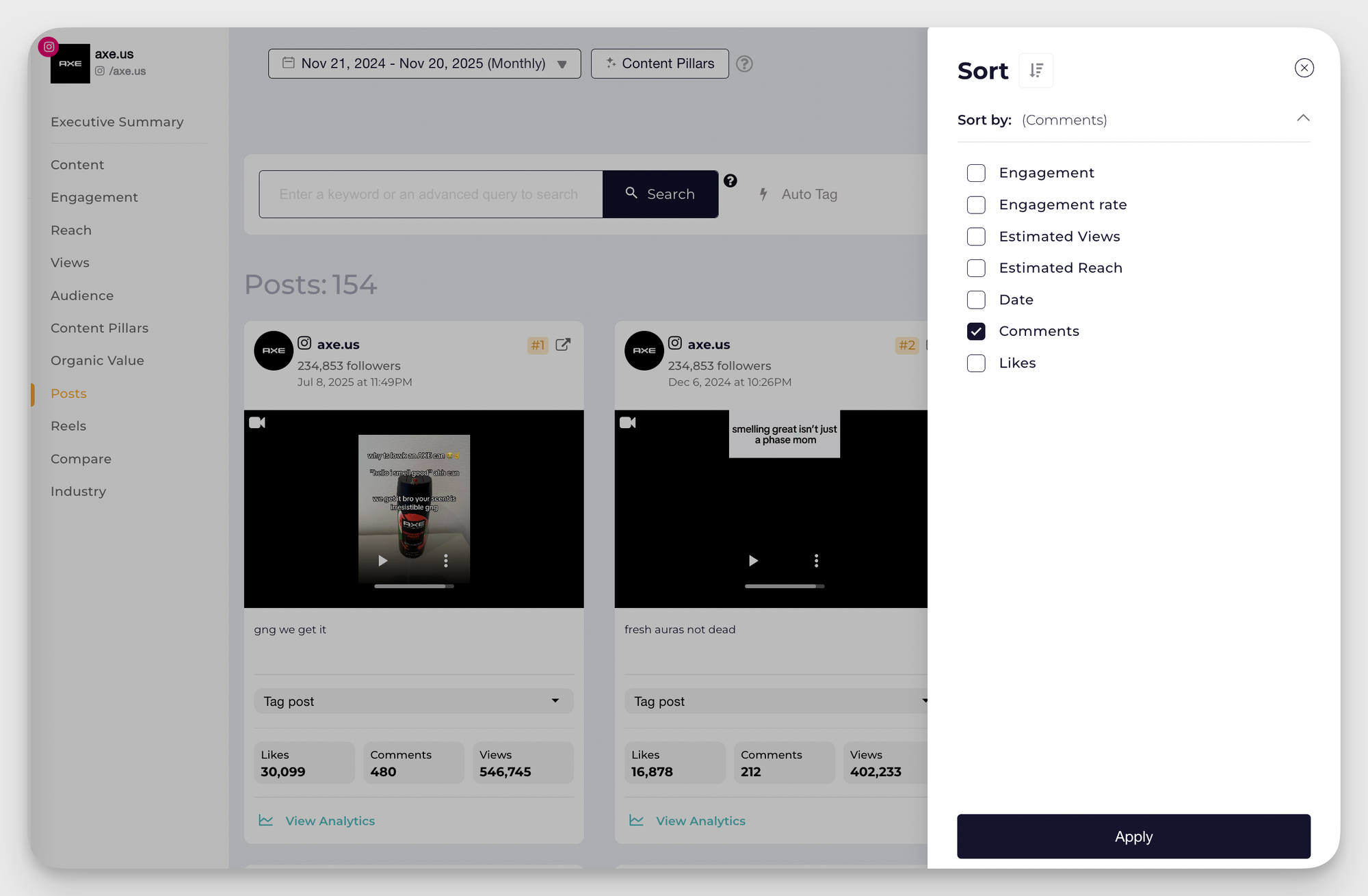
- Comments: Which posts spark actual conversations? Comments mean your organic social content is resonating.
- Shares: Which pieces of content do your audience care about enough to send to friends or colleagues? Shares are social proof at scale.
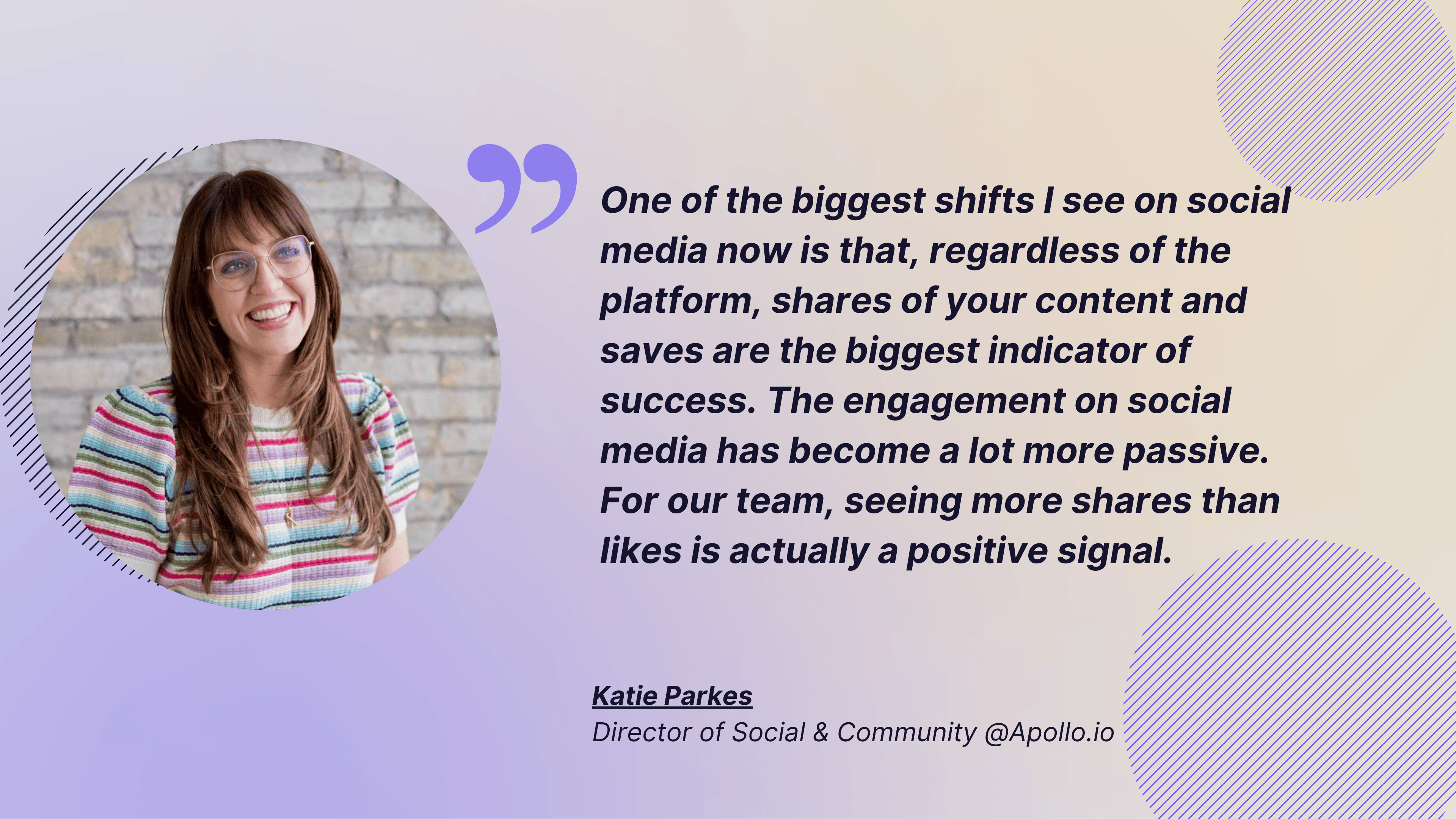
- Saves: Increasingly important, especially on platforms like Instagram—saves are a sign your audience wants to come back for more.
Break down content formats' effectiveness
Next, get granular about how you’re getting engagement. Are Reels outperforming static posts? Are Instagram Carousels leading to more shares?
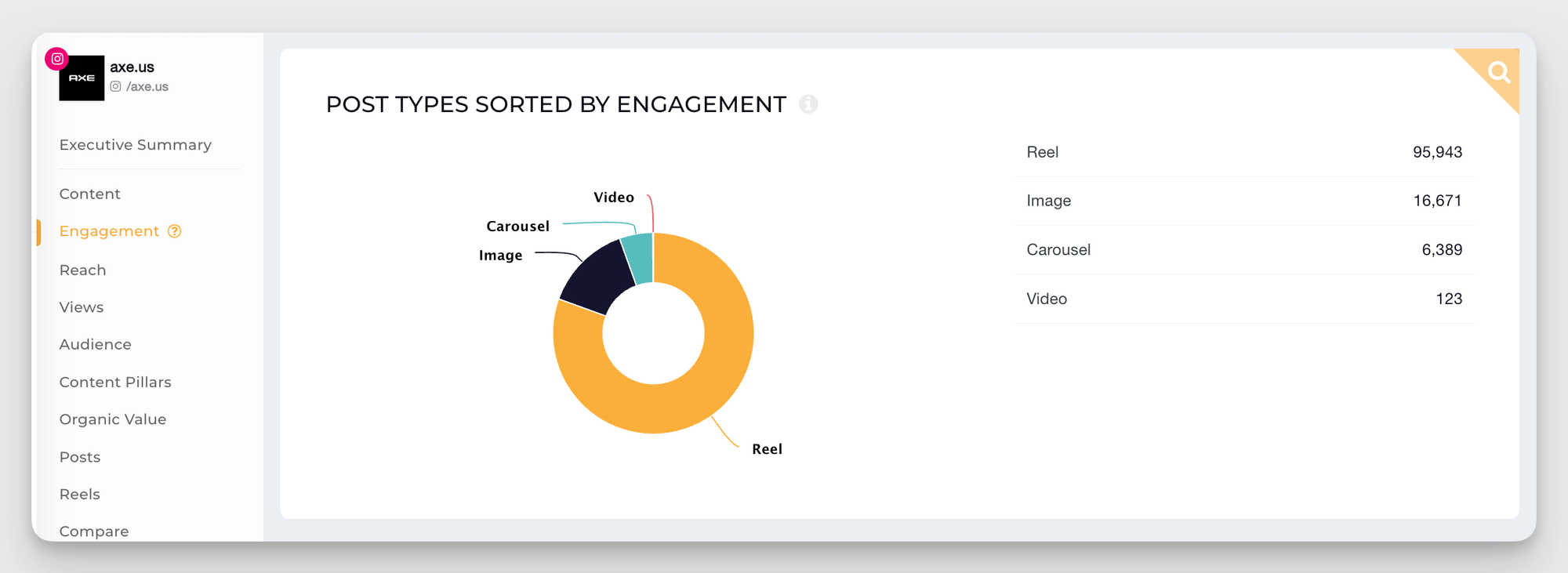
And here's a secret a have for you. Socialinsider’s dashboard makes it easy to filter performance by type—so you can see, for example, if your LinkedIn carousels are quietly outperforming text posts.
Highlight in your audit:
- Top performing formats (single images, carousels, Reels, Stories, videos, etc.)
- Trends over time: has your audience shifted away from one format to another?
Pinpoint which content formats fuel both your organic growth and follower loyalty.
Identify winning content pillars and topics
Content pillars are the backbone of any strong organic social strategy. Use Socialinsider to see which topics—product education, behind-the-scenes glimpses, customer spotlights, or industry tips—really move your followers. Are people flocking to your “how-to” Reels, or are founder stories outperforming all else?
Your analytics will likely show a handful of recurring themes behind your best-performing organic social media posts. Double down on these, and use them to shape your future content calendar.
For example, as can be seen in the example below, it can easily concluded that for Axel, the product-related content pillar is the best-performing one on Instagram, which means the brand should focus on leveraging it more.
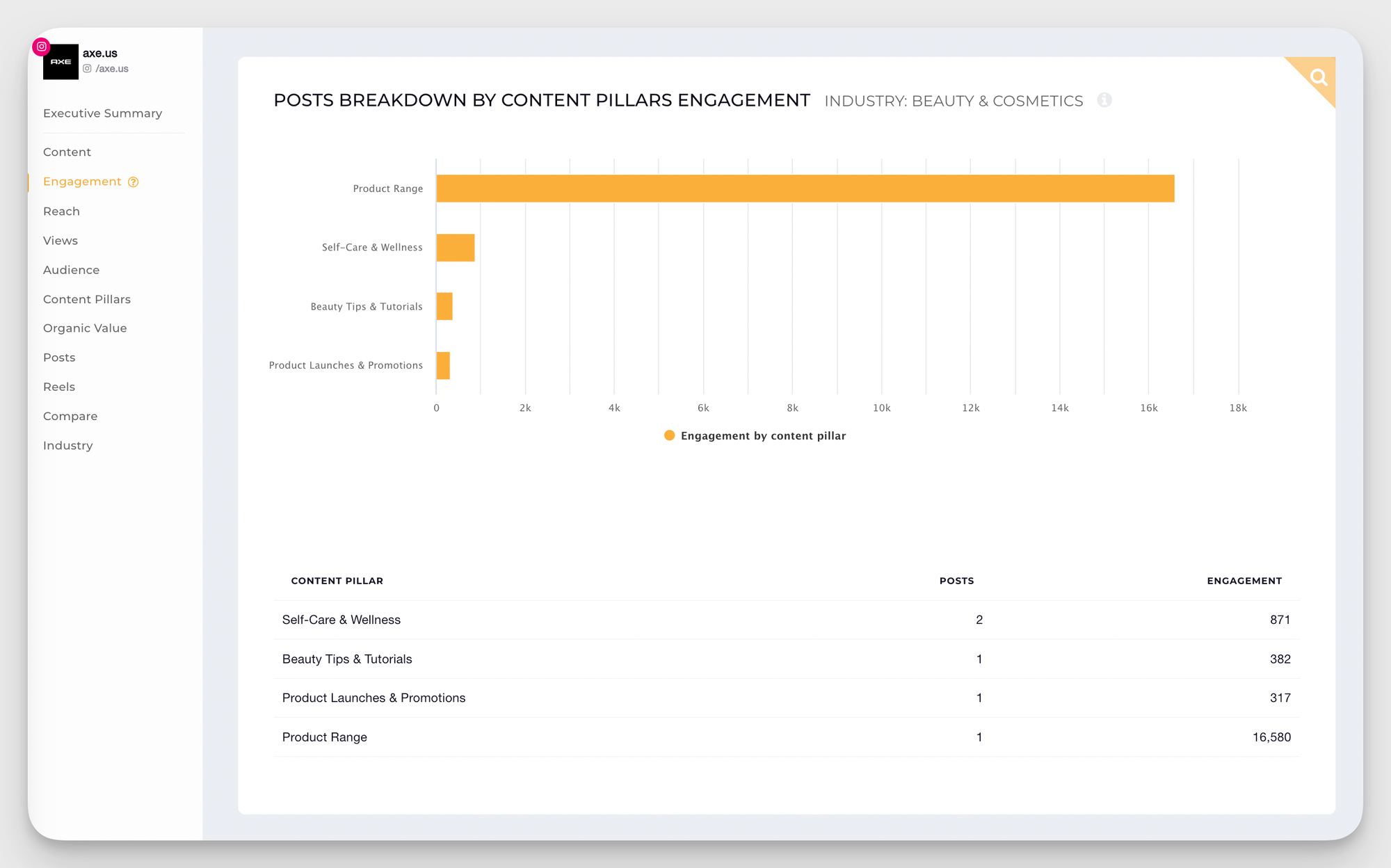
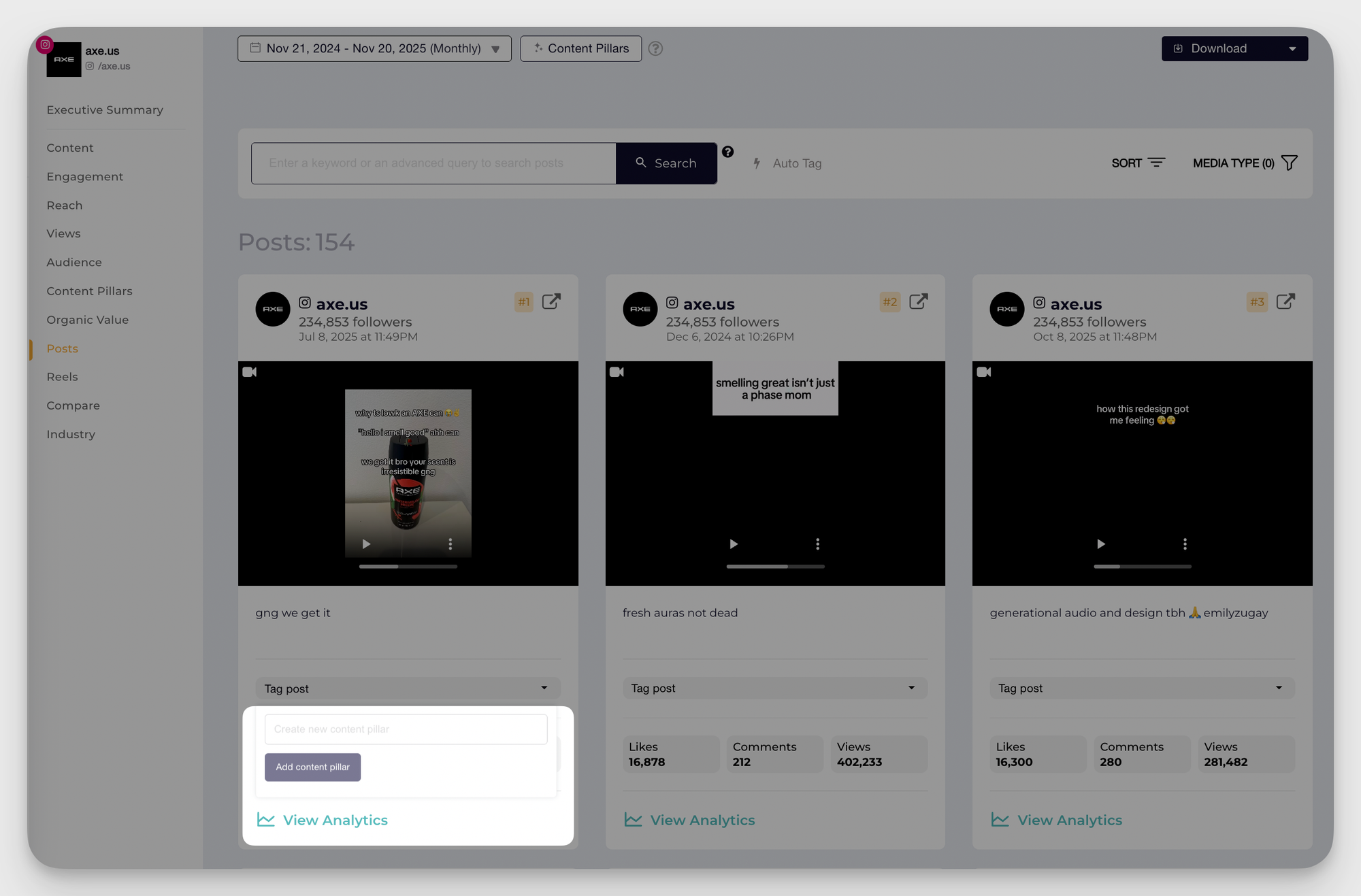
While the example below integrated an AI industry-based content pillars analysis, you should know that with Socialinsider, you also have the possibility of personally tagging your posts and creating your own, branded content pillars and analyzing performance.
Get insights form your competitor's strategies
No brand is an island. To build a next-level organic social strategy, you need to keep one eye on your competition (don’t worry, Socialinsider makes this ethical and easy). Here’s how to extract the juiciest insights:
Start with KPI benchmarking
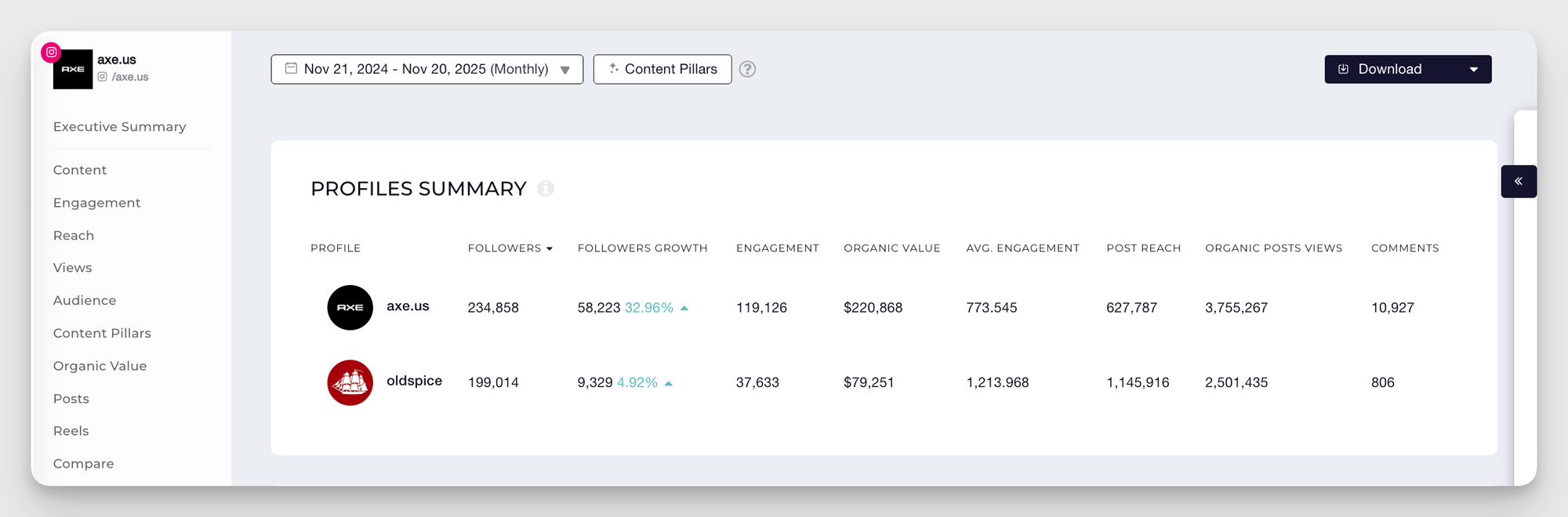
First, benchmark essential KPIs against your closest peers. With Socialinsider, you get a bird’s-eye view of average engagement rates, growth rates, post frequency, and more—all side by side with other brands in your space. This shows you if you’re ahead of the game or if you’re actually falling behind, despite what those likes might say.
Run an industry content pillar analysis
Next, look at which topics and themes drive the highest engagement across the whole industry—not just on your own page.
Are sustainability stories engaging your sector, or is user-generated content consistently at the top for your niche?
Socialinsider identifies trending topics that are performing well for your competitors, so you can spot new opportunities or threats before the rest of the market.
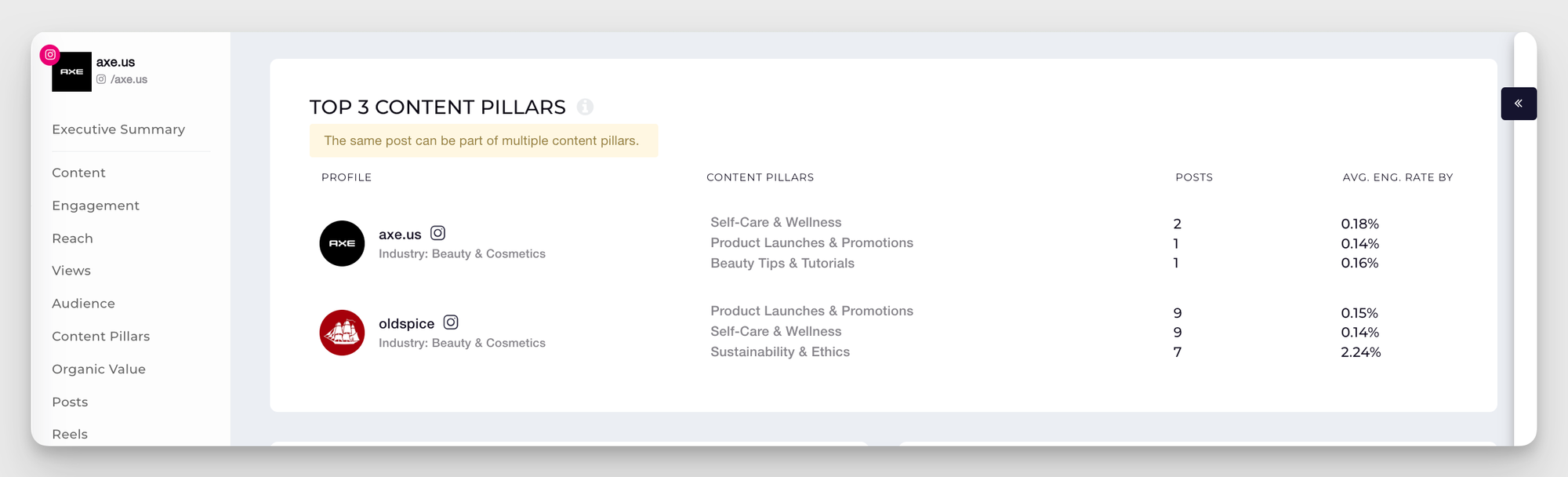
Since mentioning sustainability, when running this content pillar analysis between Axe and Old Spice, I couldn't help but notice the great engagement Old Spice is gaining with this content pillar, which, as can be seen, is missing from Axe's strategy. With numbers highly outrunning its results, Axe can use this insight and introduce the sustainability topic in its content strategy to improve performance.
Review competitor’s top posts for framing strategies
Finally, drill down into your competitors’ individual top posts. With Socialinsider, you can surface their all-time best organic social posts and analyze:
- How do they frame their messaging?
- What’s unique about their calls-to-action or post structure?
- Are there visuals, hooks, or content angles being repeated for a reason?
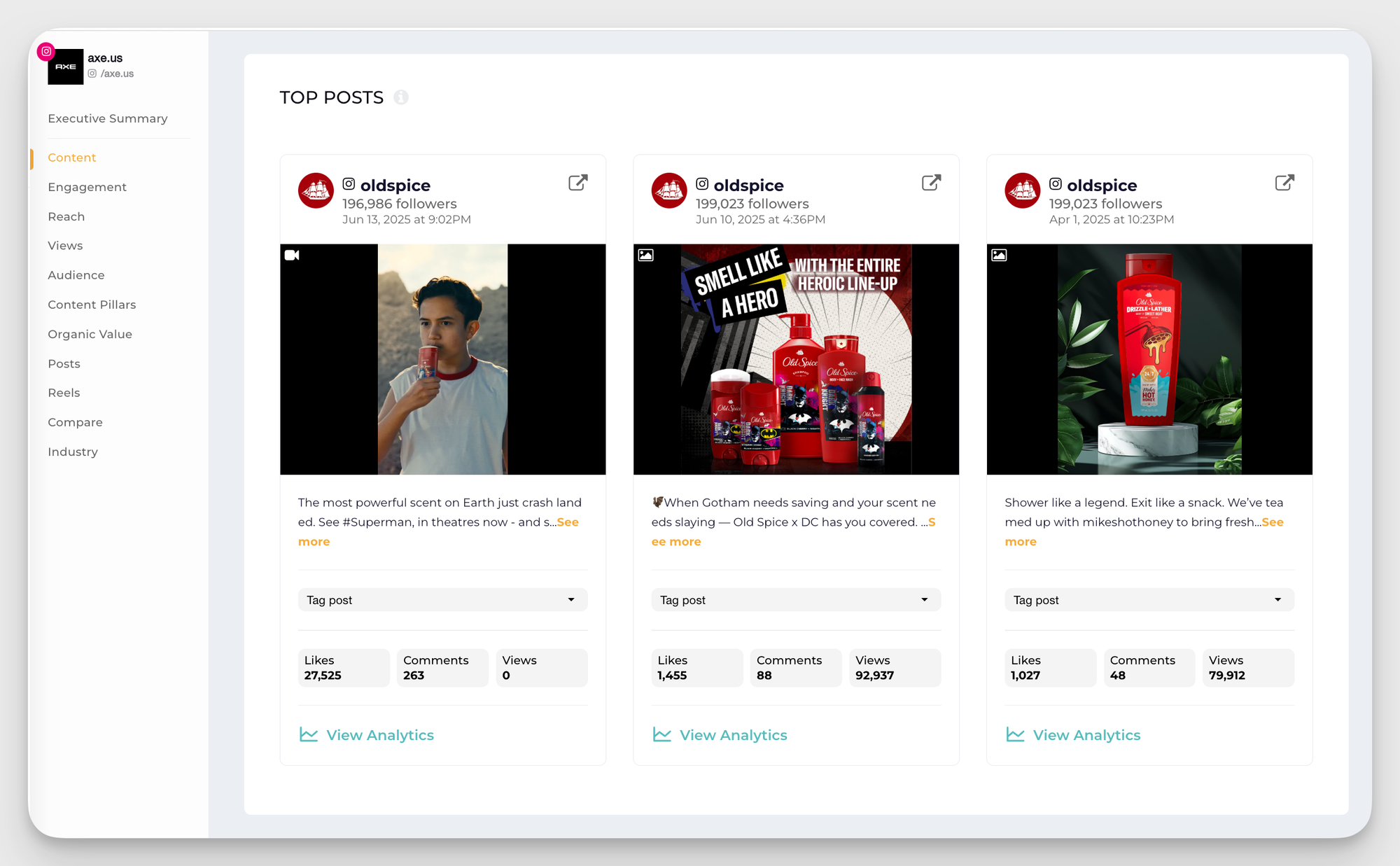
Examine what kind of storytelling gets picked up—do their posts succeed because of humor, data, bold statements, or emotional pulls?
Even better, see where competitors combine organic and paid social media: which organic winners later get boosted with paid? What creative tweaks do they make when moving from organic social media post to paid social post?
Here's what Bethany from Listing Leads, one of our customer told us in a feedback interview we had with her: "A lot of what we do is trying to just identify the most viral content in real estate. And before Socialinsider it was taking us a lot of time to kind of just do that on our own."
What is paid social media?
Let’s be honest: even the savviest organic social media strategy can’t reach everyone you want. That’s where paid social media advertising steps in. Paid social is every time you hand over dollars—big or small—to boost a post, run a sponsored ad, or reach a more specific group.
Paid social posts are your ticket to new eyeballs: want to reach parents in Chicago, adventure travelers in Spain, or B2B buyers prepping for a conference? Paid social lets you. With the right paid social media strategy or paid social management tools, you can serve up custom messages to the perfect audience at exactly the right time.
When should you use paid social?
Paid social is your secret weapon when you need results—fast. Here’s when paid social media marketing is a must:
- Launching something new and want maximum buzz, ASAP
- Promoting an event or limited-time offer
- Retargeting: reminding folks who visited your site to come back and buy
- Beating the competition in crowded markets
- Reaching those who never follow you (but could love you if they knew you existed)
The benefits of paid social media include speed (results almost instantly), pinpoint targeting, scalability, and crystal-clear measurement. When it’s time for serious growth, paid social always delivers.
Key differences between organic and paid social media
Let’s break down the difference between organic and paid social media so you can make smarter choices for every campaign:
Reach & scalability:
- Organic social = your fans, their networks, and algorithmic luck.
- Paid = anyone you want, as long as you can pay.
Targeting:
- Organic = hoping followers tag/share/like their way to more reach.
- Paid = powerful targeting by age, interests, job, even recent life events.
Speed:
- Organic social is the marathon runner (slow, steady, long-term).
- Paid social media advertising is the sprinter (goes fast, but only as long as you feed it $$).
Cost structure:
- How much does organic content cost? Mostly your team’s time.
- Paid posts have real ad budgets, but you get results right away.
Trust & community:
- Organic feels trustworthy, relatable, real.
- Paid can sometimes seem a bit “sales-y”—but when both are smartly combined, people notice you, not your spend.
Measurement:
- Organic tracks engagement, sentiment, and shares.
- Paid is all about ROI—cost per click, cost per lead, and conversion tracking.
Longevity:
- Organically, one viral post can get you noticed for months.
- With paid, as soon as your budget runs out, your post fades.
How to decide which approach is best for you based on your business stage?
Let’s talk real talk: your business’s stage determines your social game plan. There’s no shame in starting small—what matters is using organic and paid social media strategically, not just following trends.
Startup phase:
Bootstrapping it? You’ll be living in “organic social” world. Use organic social media marketing to get your first fans, meet beta users, share founder stories, and build credibility.
Here's how we do it, for example.
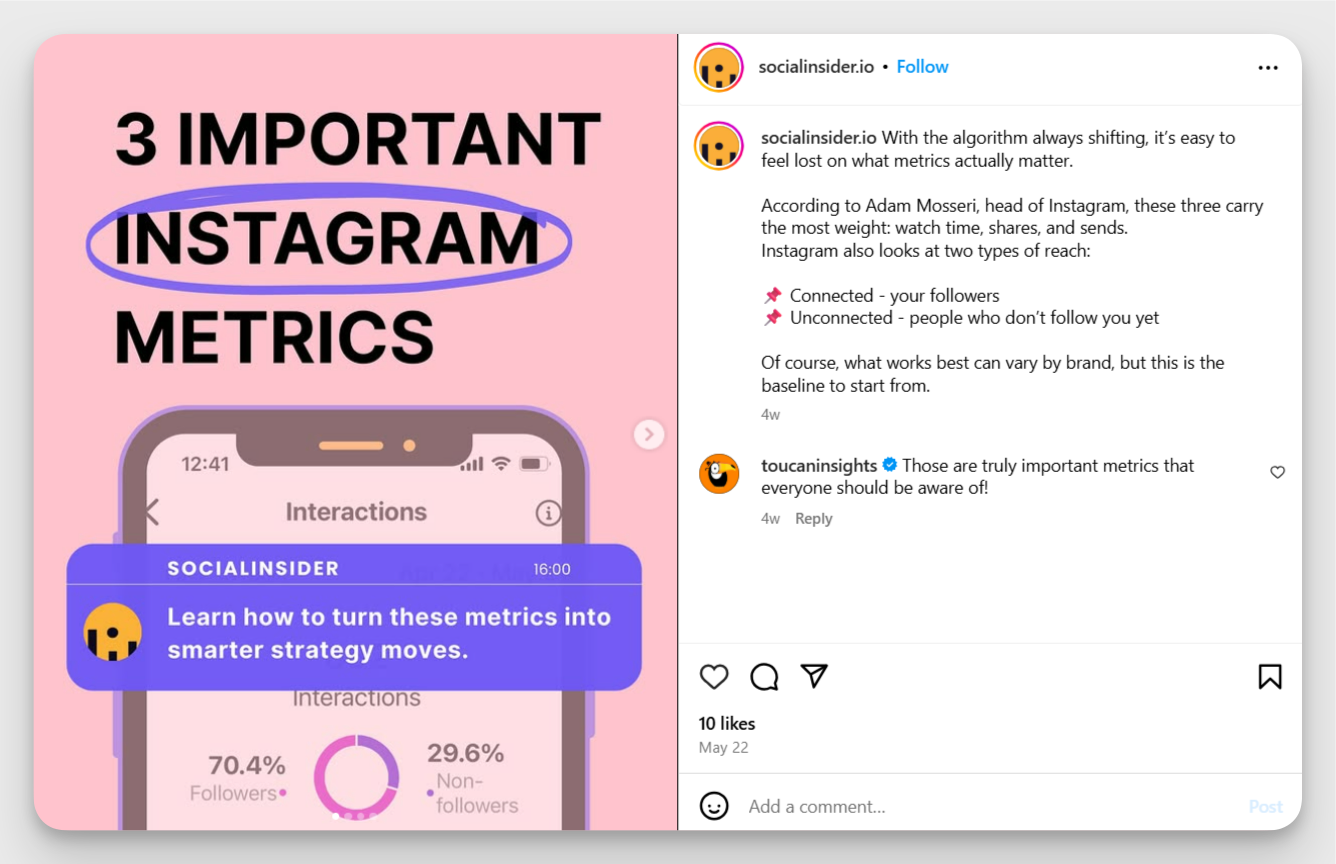
Here's something you should know: every organic post is feedback, so listen!
In the startup phase of a company paid social media advertising can have a place, but only when you know something works.
And a little piece of advice from me: test-media spend with a tiny budget or promote your best-performing organic social media content to see if it clicks beyond your core circle.
Growth phase:
You’ve got proof your product works—now it’s time to attract more eyes. This is where the real difference between organic and paid social media emerges: you keep your organic social posts nurturing loyalty, while paid social posts help you scale.
Run targeted paid campaigns to find new customers, retarget warm leads, and turn those organic likes into purchases. A paid and organic social media combo is unbeatable at this stage.
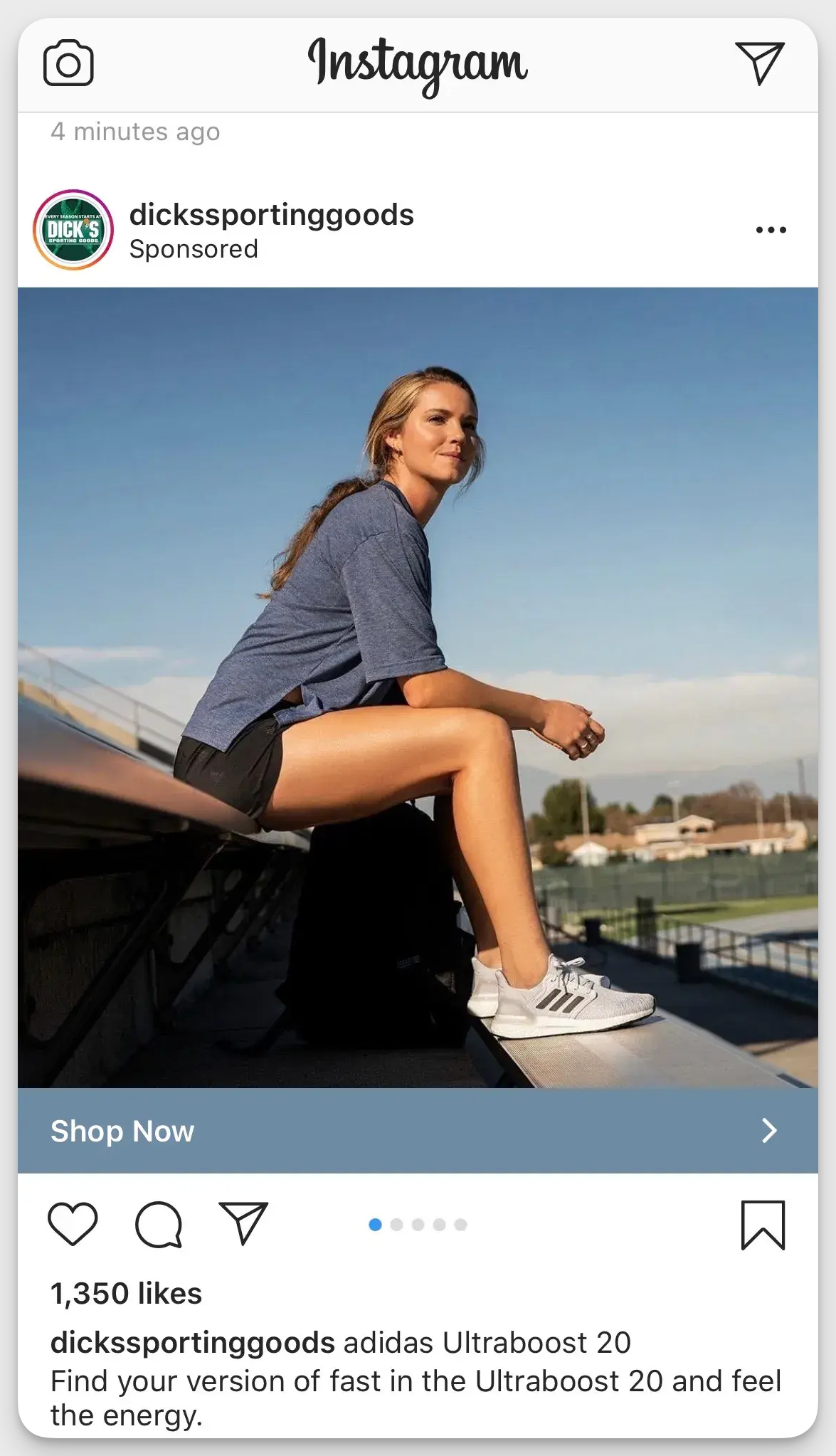
Established brand phase:
You’re known in your space, but competition is fierce. You need a consistent organic social media strategy (employee stories, customer spotlights, value-driven organic posts) to stay beloved and trusted.
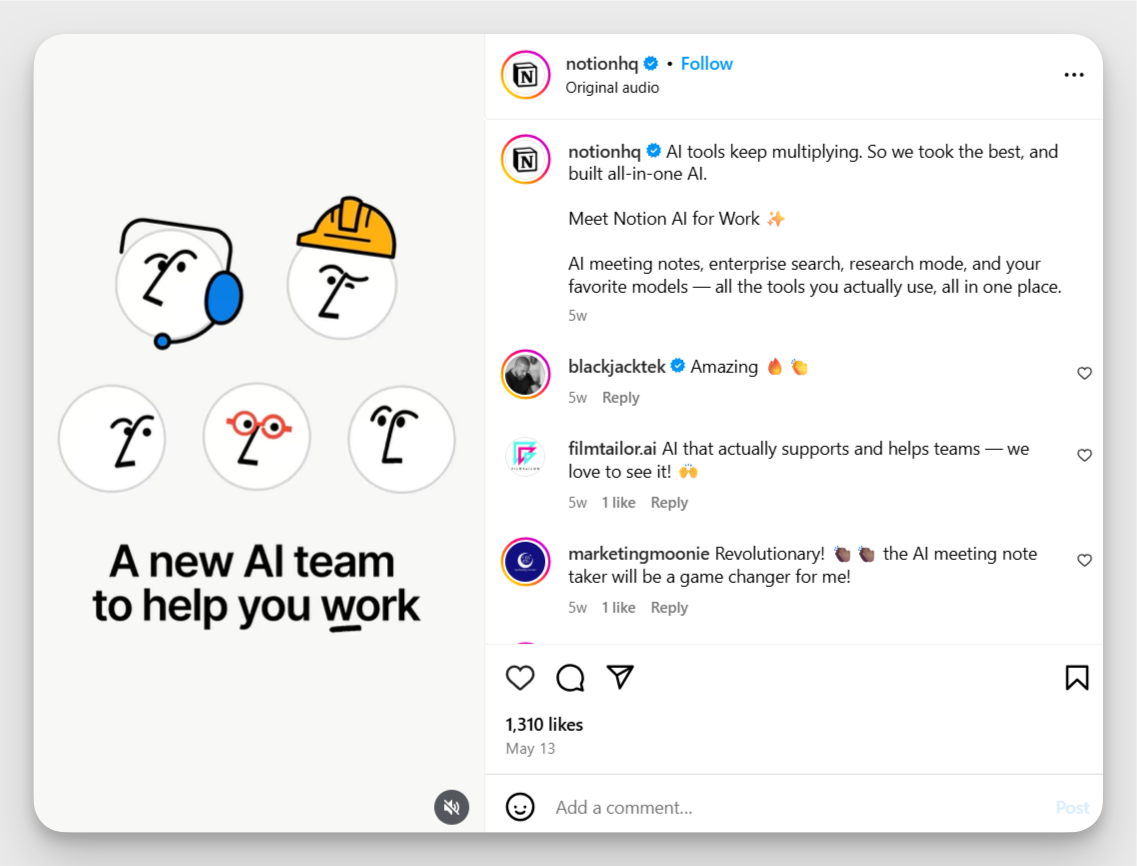
Your paid social management should support webinars, events, launches, and retargeting. Here, the benefits of organic social media (trust, advocacy) and the benefits of paid social media (sheer reach) mesh perfectly.
Enterprise phase
Large brands can’t leave anything to chance. You’ll nee a thick playbook for both paid social management and organic social media strategy.
Organic social keeps your employer brand strong and communities buzzing; paid social media advertising strategy unites campaigns across channels for maximum reach (and lots of reporting).
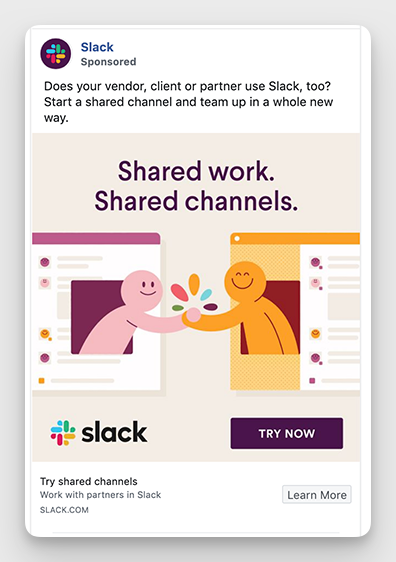
Expect daily decisions on budget: how much does organic content cost in resources versus what you get from paid?
What are the strengths of each platform for organic vs paid capabilities?
Organic strengths:
Facebook Groups, local communities, and interactive posts create ongoing conversation. A great organic social media strategy here is about connecting fans with each other—not just you.
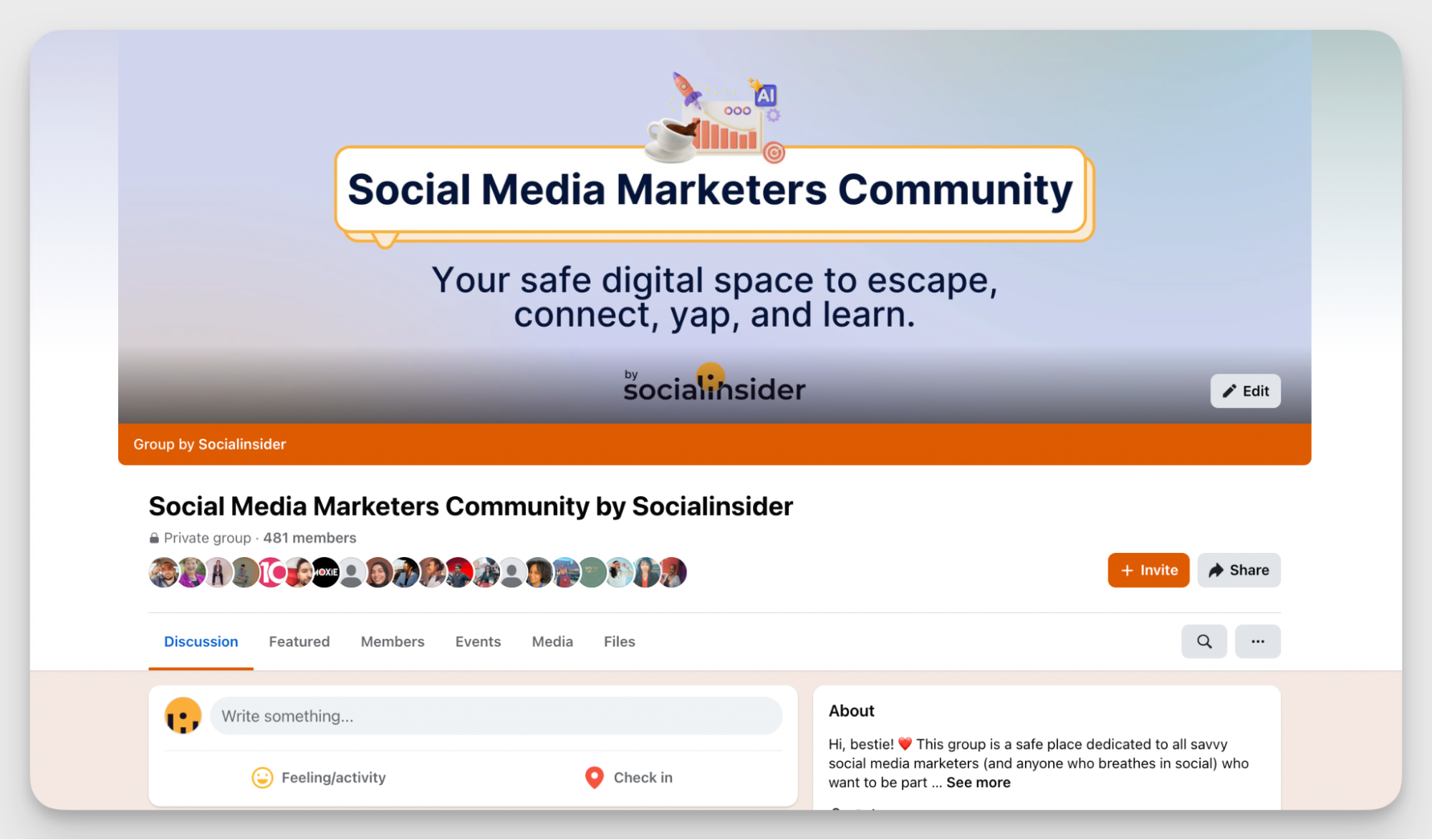
Paid advantages:
Facebook’s ad targeting is legendary. Paid social media advertising lets you reach by zip code, interest, even life events. Want to retarget former customers or drive direct sales? Paid social posts on Facebook deliver.
Hybrid play:
Share engaging, relatable organic social posts; when something clicks (lots of likes, saves, shares), throw paid social spend behind it to multiply your results.
Organic:
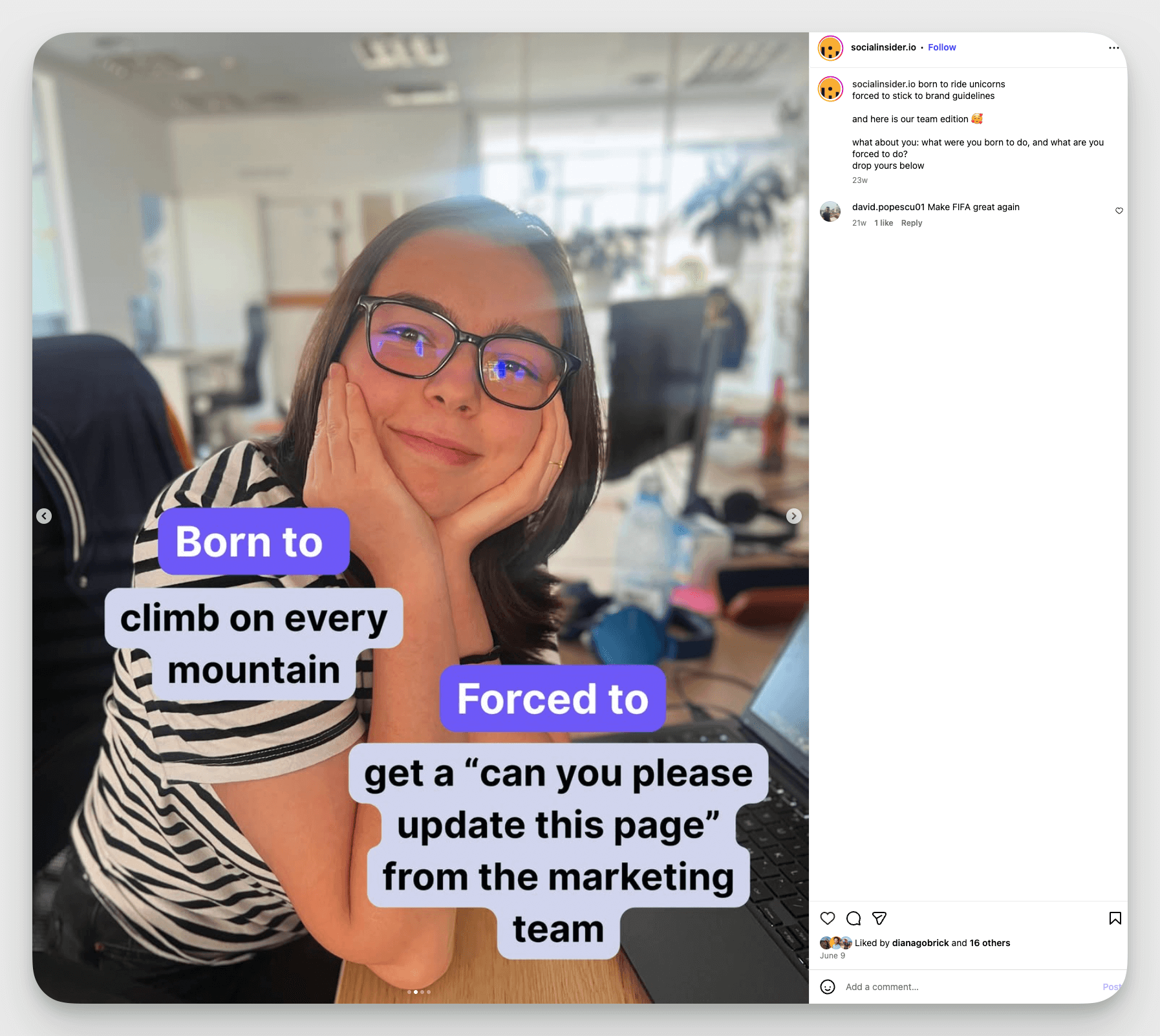
Instagram is all about stunning visuals and short videos. Lean into organic social content like Reels, behind-the-scenes Stories, and carousel how-tos. The best benefit of organic social media here? Sky-high engagement rates—if you’re authentic.
Paid:
Instagram ads are perfect for reach, niche targeting, and making your brand “pop up” in user Stories and feeds. Paid posts let you guarantee your most important content gets seen.
Organic:
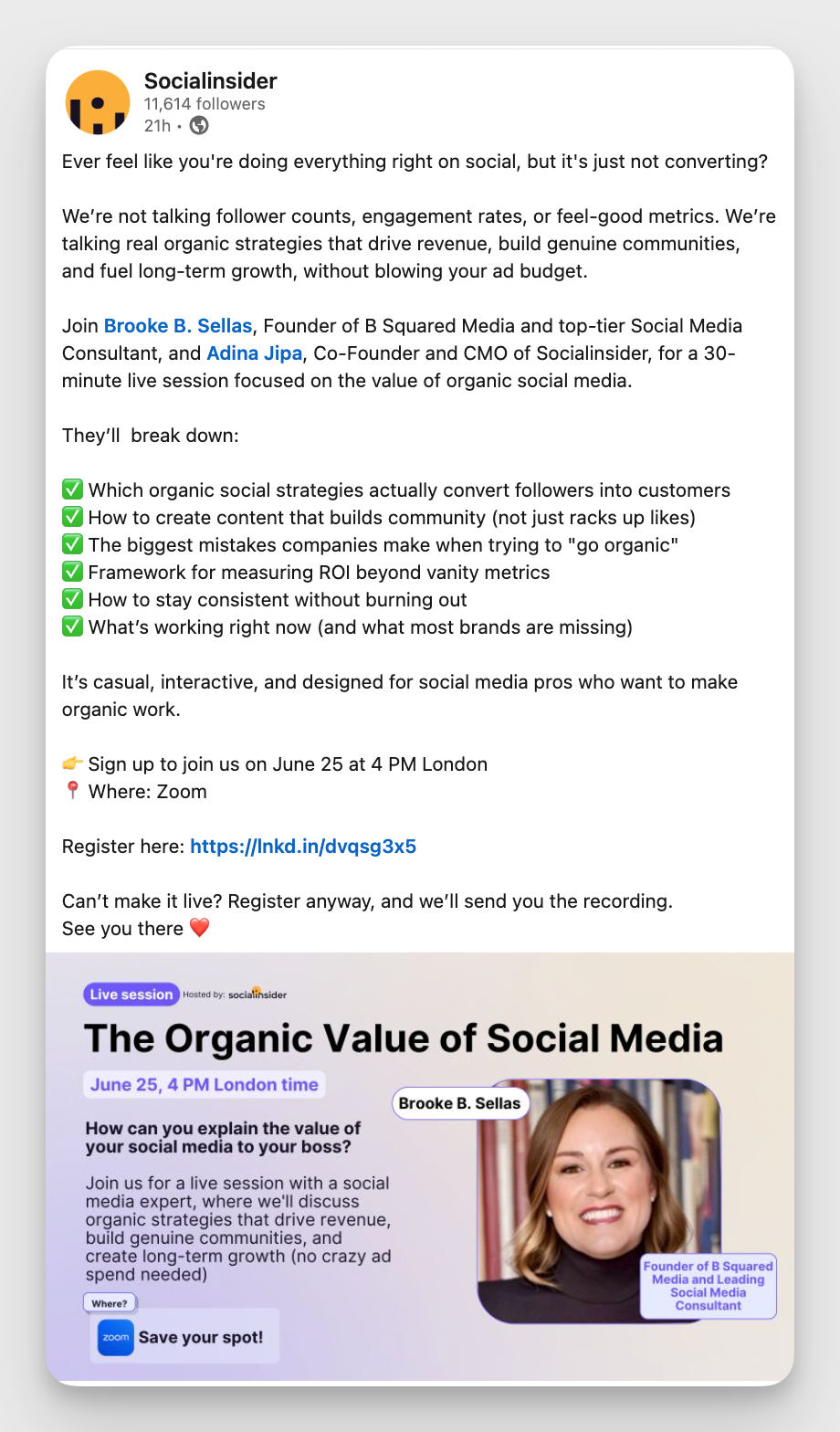
If you’re in B2B, LinkedIn is your stage for credibility. Organic social media marketing here means regular expert posts, showcasing your people, and thoughtful article sharing. This is the best place for building industry trust with an organic social media post—not chasing hard leads right away.
Here's an example of how we do it at Socialinsider:
Paid:
When you need downloads, webinar signups, or direct B2B targeting, LinkedIn Sponsored Content and InMail campaigns are clutch. Deploy paid social media strategy when you’ve got something high-value for a business audience.
TikTok
Organic:
TikTok’s algorithm lets anyone go viral—no budget needed. Use trending audio, challenges, and creative storytelling for organic growth. The organic social strategy here? Experiment relentlessly.
Paid:
Spark Ads let you boost your best organic videos, so you can scale fast once you know what hits. Use paid social media marketing to stretch your TikTok reach, but don’t ditch the authentic, spontaneous vibe.
Why does a hybrid strategy make for the best case, and how to approach it?
If you’ve ever wondered whether you should go “all in” on paid social, or put everything into organic social media, here’s the honest truth: the brands that get the BEST results? They blend both in a way that feels seamless and totally natural to their audience.
Why do the smartest marketers choose hybrid? Because today’s users can spot a hard-sell ad a mile away, but they also won’t see your best organic post unless you give it a little nudge. Paid and organic social media together mean you connect authentically, but also hit growth goals without being left behind.
Five proven hybrid models for paid and organic social
1. Funnel amplification: organic top-of-funnel, paid for conversions
Start broad and authentic. Use your organic social content to attract new people by being helpful, funny, or inspiring—whatever fits your brand. Once you see who’s interested, that’s your signal: send targeted paid social posts to turn attention into action, like signing up or making a purchase.
Why this works: You warm up your audience with organic, then close the deal with paid.
2. Test-and-scale framework: prove it with organic, amplify with paid
Don’t blindly spend on ads. Post lots of ideas organically (maybe an organic social media post goes viral or a Reel gets big saves). Watch for what naturally takes off—THEN use paid social media advertising to get that proven winner in front of thousands more.
Why this works: Your fans do the testing for you, and you only boost what deserves to be seen.
3. Authority-to-conversion pipeline: organic for reputation, paid for results
All those free tips, real-talk founder posts, and behind-the-scenes organic stories? They position you as a go-to voice in your space. When you've earned enough trust, shift gears with a sharp paid social campaign pushing your product, event, or newsletter.
Why this works: People are way more likely to respond to paid posts from a brand they feel they already “know.”
4. Community-commerce model: loyalty first, offers second
Let organic social media work over time to build a faithful community—comments, polls, UGC spotlights. Then, when you launch something, use paid posts just for people who already engage.
Why this works: You’re not “cold calling”—you’re inviting friends.
5. Seasonal scaling: always-on organic, periodic paid blasts
Keep your brand alive year-round with useful, shareable organic social media content. When it’s go-time—big sale, product launch, Black Friday—switch on the paid social management for maximum reach and impact.
Why this works: You get the best return on your paid budget because your audience has been primed.
What are some organic and paid social integration tactics that work?
- Repurpose top organic content: Turn your best-performing organic social media posts into paid ads, keeping that authentic vibe while scaling your reach—this is especially effective for Reels, carousels, or thought leadership posts.
- Organic for nurture, paid for capture: Use your organic social to educate and engage, so when your audience sees a paid post from you, they already trust you and are more likely to convert.
- Share learnings, break down silos: Make sure your paid and organic teams are in sync. Swap insights, review top-performers together, and brainstorm cross-channel campaigns. Both sides lift each other up for a smarter paid social management approach.
How to approach budgeting for a hybrid strategy?
A human-first paid and organic social media plan isn’t rigid. Here’s how it looks in reality:
- Be flexible! If something’s blowing up organically, shift budget to boost it ASAP.
- Always hold back part of your spend for creative experiments. Some of your biggest wins will come from weird ideas, and you’ll only know if you put a little money behind them.
- Don’t waste money on ads that don’t convert—use your analytics to reallocate to what’s actually delivering.
How to measure the success of a hybrid strategy?
- Leverage unified analytics: Set up dashboards that show both organic and paid results in one place. Don’t let paid social media advertising data live in a silo—combine views, clicks, conversions, and engagement for true insight.
- Look beyond vanity metrics: It’s not just impressions or likes. Compare how organic social media content builds community, while paid social posts actually drive sales, signups, or leads.
- Always iterate: Your hybrid strategy’s biggest edge is adaptability. Review, re-allocate, and refine every month—or even every week—based on where you’re seeing real returns.
How to implement a hybrid social strategy?
Phase 1 (months 1-3): foundation
Audit your profiles. Get the full picture with tools like Socialinsider. Set clear objectives for both organic and paid (brand building vs. conversions). Make sure your messaging syncs up everywhere. Get reporting in order before you start spending.
Phase 2 (months 4-6): test & optimize
Pick your best organic social media posts, and put a modest paid budget behind them—try boosting, try new creative, test different audiences. Share findings between your organic and paid teams and document everything that works (or doesn’t).
Phase 3 (months 7-12): scale & refine
Ramp up spend on your top-performing hybrids. Expand to new platforms if your analytics point that way. Build regular hybrid campaign cycles, and set up always-on reporting to monitor both the long-game (organic) and the quick wins (paid).
What are some common mistakes to avoid when integrating paid and organic strategies?
- Ignoring organic: Pouring all your energy (and budgeting) into paid social posts without a solid organic social media strategy will burn out your brand in the long run. Organic is where credibility and loyalty are born.
- Short-term focus only: Don’t just chase quick conversions from paid. Invest in organic social media marketing for lasting growth and relationship-building.
- Thinking “either/or”: Paid and organic are not opposing forces! Treating them as such means missing out on major wins—this is true for both small teams and big brands.
- Fragmented reporting: If you’re not looking at organic and paid data together, you’ll miss the real story. Build dashboards (use tools like Socialinsider) that integrate both streams, so you always know what’s genuinely working.
Bottom line? The difference between organic and paid social media isn’t about picking one—real results happen when you merge them. Be flexible, be data-driven, stay human, and you’ll never lose your way on social, even if the algorithms change overnight.
Final thoughts
Making a real impact on social isn’t about chasing trends or picking sides. It’s about sharing authentic content that builds trust, then knowing when to amplify your reach with smart, targeted ads.
The best results come from blending organic and paid—letting each strengthen the other. When these approaches work together, even simple posts can turn into lasting connections, sparking conversations and creating true fans. In a crowded digital world, this balance is what makes a brand stand out and stick around.

Elena Cucu
As Content & SEO Manager at Socialinsider, Elena Cucu helps social media leaders make sense of the numbers behind their performance. Featured in TechCrunch, TNW, and ReadWrite.

Know what your competitors do — before your manager asks
Get instant social benchmarks & reports without manual work.