Mastering Social Media Conversion: How to Track and Best Practices
Explore insightful approaches to boosting social media conversion and elevate your brand. Start converting followers into loyal customers!


I’ll be honest—figuring out how to actually drive conversions from social media took me a lot of trial and error. Over the years, I realized that it’s not about chasing every new feature or trend; it’s about understanding which micro-actions add up to measurable growth and building a social media conversion strategy tailored to each platform and audience.
If you’ve ever wondered why some brands seem to effortlessly increase conversions from social while others are stuck counting likes, you’re not alone.
In this guide, I’m pulling back the curtain on what’s worked for me (and what hasn’t): breaking down the real steps behind social conversion, the smart content moves that move the needle, and the kind of reporting that actually helps you optimize rather than just admire the numbers.
Key takeaways
-
Content strategies that convert: Leverage social proof and tailored, platform-specific CTAs to encourage meaningful actions and steadily increase conversions from social media.
-
How to optimize social media conversions? Constantly analyze your audience, A/B test everything, and use campaign data to refine your approach for higher, more consistent social conversion rates.
-
What are some best practices for increased social conversions? Combine native social commerce tools, influencer partnerships, and strategic community-building to create seamless, high-converting customer journeys.
-
How to measure and report conversion from social media? Track platform-specific conversion metrics and costs, then translate those numbers into actionable insights that boost your social media conversion strategy.
What is social media conversion?
When it comes to social media, “conversion” can mean far more than just making a sale. In my experience, the teams that win at social conversion are the ones who map out both the small and large actions their audience can take at every touchpoint—and know how to measure each one.
Macro conversions:
Think of these as your “endgame” actions—the moments that truly move the business needle.
- Sales: Direct purchases driven through a platform (think Instagram or TikTok Shop).
- Lead generation: Capturing contact info via forms, DMs, or chatbot flows—crucial for B2B and service brands.
- Sign-ups: Newsletter subscriptions, event registrations, free trial starts, or app downloads—any opt-in that moves someone deeper into your funnel.
Micro Conversions:
If you only measure the big wins, you’ll overlook what’s building momentum along the way. Micro conversions build trust and warm up your audience by nudging them closer to your macro goals.
- Engagement: Every meaningful like, comment, save, or share is a signal of interest (and a nudge toward eventual action).
- Profile Visits: Someone clicking from content to your profile is curiosity in action.
- Link Clicks: Any tap on a product tag, link sticker, or swipe-up shows intent—even if it isn’t an immediate sale.
How to calculate your social media conversion rate?
Once you’ve defined what counts as a conversion for your brand (a sign-up, a purchase, a booking, etc.), calculating the conversion rate is straightforward:
Social media conversion rate = (number of conversions / total audience) × 100
Let’s break that down:
- Conversions: Total number of users who completed your desired action.
- Total audience: This could refer to total followers, reach, or impressions — depending on how you want to segment the performance.
📌 Example: If 50 people signed up for your free trial out of 2K post viewers, your conversion rate would be:
(50 / 2000) × 100 = 2.5%
When you track and analyze the social media conversion rate over time, it helps evaluate the real ROI of your social media efforts.
Effective social media conversion tactics across different platforms
No two social platforms are the same when it comes to driving conversions. An effective social media conversion strategy starts by meeting your audience where they are—and speaking their language, both visually and functionally.
Below, I’ll break down platform-specific tactics to increase conversions from social media, using feature sets and audience behaviors unique to each channel.
Instagram conversion optimization techniques
Instagram has rapidly evolved from an inspiration-sharing space to a full-fledged shopping and conversion machine.
Here’s how I've consistently driven conversions from social media using Instagram’s best tools and practices:
Leverage Instagram shopping and product tags
If you’re in e-commerce and haven’t activated Instagram Shopping, you’re really missing out. Simply tagging products in feed posts, Reels, and Stories can turn casual scrollers into buyers with a single tap, scout's honor.
Here's what I recommend: make your shop easy to browse directly from your profile, update collections seasonally, and highlight your “hero” products.
From what I've seen, top-performing brands mix editorial storytelling with native product tags, blending inspiration and shopping seamlessly.
Use story swipe-ups and link stickers
Story links (whether via swipe-ups for accounts with over 10k followers, or link stickers for everyone) aren’t just afterthoughts—they’re prime real estate for increasing conversions.
This is my approach:
- Place links mid-story, not just at the end—catch attention before users skip.
- Use enticing CTA overlays (“Tap to shop this look,” “Get your free guide,” “Claim your spot”) that spark urgency.
- Combine product demos, limited-time teasers, and influencer “takes” to drive curiosity and action.
TikTok conversion optimization techniques
Ask any marketer who’s cracked TikTok—they’ll tell you: conversions in social media on TikTok don’t happen by accident. It takes quick creativity, always-on testing, and a willingness to jump on trends before they peak. But the payoff? TikTok can increase conversions from social faster than just about any other platform right now.
Here’s how I approach driving conversions from social media on TikTok:
Go all in on Live shopping
Live shopping on TikTok isn’t a buzzword—it’s one of TikTok’s top tools for driving direct sales and increasing conversions. When I want results, I host live sessions that blend real-time demos, Q&A, and flash offers. The energy is contagious, and urgency (with countdown timers or limited drops) spikes conversions in social media like nothing else.
Integrate the TikTok shop functionality
If you want to maximize your social media conversion strategy, plug into TikTok Shop. When I do it, I make sure every product video connects to a shoppable link—whether it’s a native product card or a pinned product in a live. The goal? Remove friction, let TikTokers buy in two taps, and watch increasing conversions become the norm.
Facebook conversion optimization techniques
Facebook isn’t just a place for reach anymore—it’s where I go when I want to build deeper relationships and consistently increase conversions from social. With a huge, engaged audience and a mature set of tools, my social media conversion strategy is all about nurturing leads, sparking interactions, and turning conversations into action.
Set Messenger automation for nurturing leads
When I’m serious about driving conversions from social media, I set up Messenger automations that grab leads right at the moment of interest. Whether it’s an ad click or a comment on a post, I use chatbots to collect info, answer FAQs, and hand off warm leads to my sales team—24/7. Prompt, personalized follow-ups help me convert more prospects long after most brands have dropped off.
Use Facebook Groups as conversion nurturing environments
If you’re only focused on your Page, you’re missing massive conversion potential. I’ve learned that Groups—especially those that are invite-only or value-packed—are perfect for building community trust and gently encouraging micro conversions. And as people engage with posts, events, or polls, they become much more likely to click through to resources, sign up for offers, or move down my funnel.
LinkedIn conversion optimization techniques
If you're working B2B—or just want to maximize lead quality—LinkedIn should always be at the core of your social media conversion strategy. The platform’s audience comes in “ready to take action,” making it one of the best channels for increasing conversions from social, especially when you combine smart targeting with high-value content.
LinkedIn Lead Gen Forms are a game-changer for frictionless conversions in social media. When I want volume, I’ll use them with sponsored content or message ads; the forms auto-fill with user info, so clicks turn into leads without ever leaving the platform. For deeper nurturing, though, I’ll sometimes direct people to a landing page—using extra steps to pre-qualify intent for more complex offers.
Here's how I'd approach this:
- Low-barrier Lead Gen Forms for things like newsletter subs, event signups, or top-of-funnel guides.
- Dedicated landing pages for demos, product trials, or anything where buy-in should be higher.
Create content that converts
When I want to increase conversions from social, my best move is to showcase tangible outcomes and offer real learning moments—think client case studies, short-form success stories, practical webinars, and product demos.
What works especially well for driving conversions from social media here:
- Case studies that show how specific clients achieved measurable results with your solution. Detail the problem, the process, and the win—then add a CTA inviting viewers to reach out or learn how this applies to them.
- Webinars or live demos that solve relevant pain points. I’ll promote these as high-value opportunities to learn (not just “see a pitch”), and encourage follow-up connections or inbox messages post-event.
- Quick tips, explainers, or behind-the-scenes content that display expertise and build trust. Sometimes just breaking down your process, sharing a customer quote, or spotlighting a team solution sparks profile visits or direct outreach—important micro conversions on LinkedIn.
Here's how we do it at Socialinsider, for example:
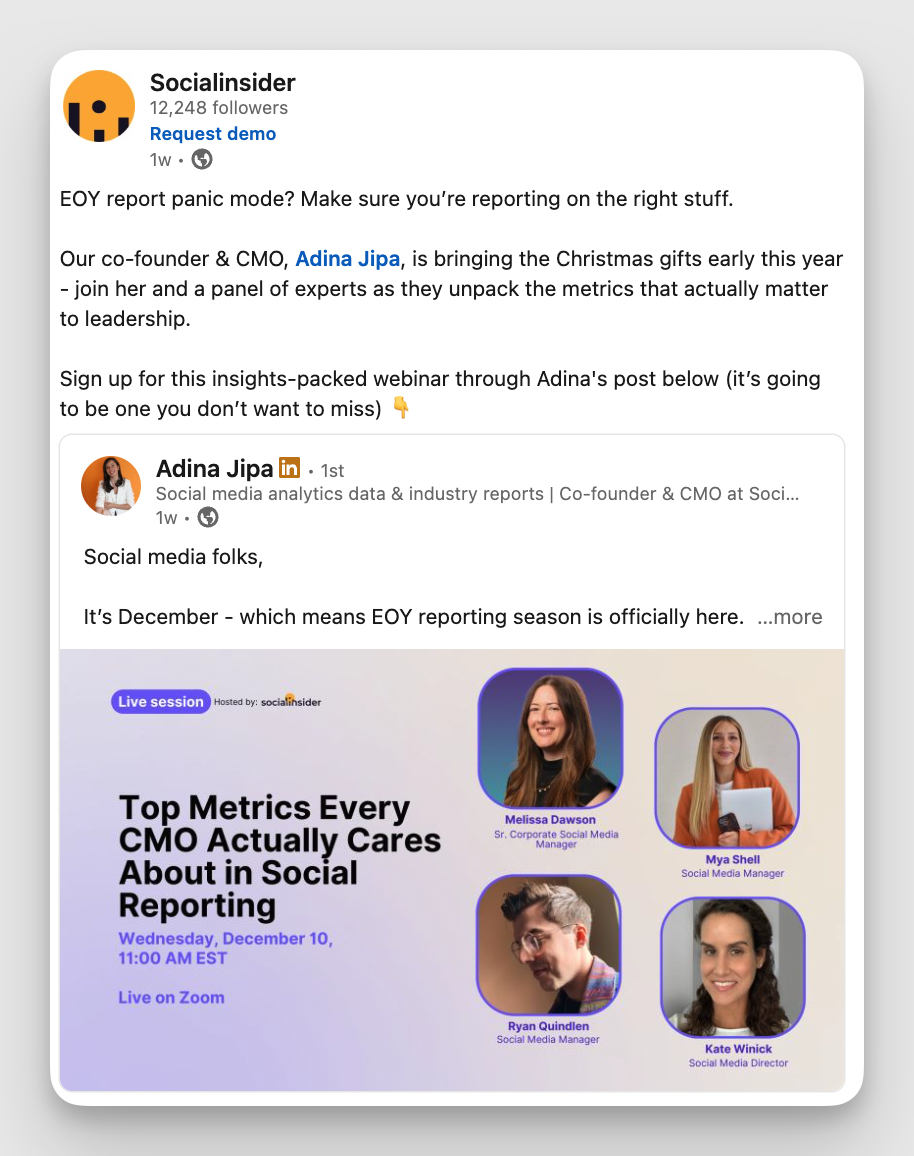
Content strategies that convert
Creating content that drives conversions from social media goes beyond getting attention—it’s about building trust, proving credibility, and making action feel like the obvious next step. Here’s how I consistently see brands increase conversions from social with smart content moves.
Usage of social proof
If I had to pick one content lever that almost always boosts social conversion, it’s credible social proof.
- Customer testimonials and reviews: I love sharing real user feedback—short video snippets, post screenshots, or even story reposts. It’s the digital equivalent of word-of-mouth, reducing hesitation and warming up prospects for both micro and macro conversions in social media.
- Influencer partnerships: Sponsored posts and authentically integrated influencer shout-outs carry serious weight, especially on Instagram or TikTok. I look for influencers who genuinely use the product and can naturally explain its benefits. When the partnership is transparent, conversions spike—especially if there’s a trackable link or exclusive offer.
- Case studies and success stories: These help me address buyer skepticism head-on. I walk audiences through real problems and real wins, using clear data or visuals, and follow up with a call-to-action (“See how we can help your team, too!”). It’s a proven way to increase conversions from social and push followers to the next step.
CTAs testing and optimization
No social media conversion strategy works without sharp, tested calls to action.
- Platform-specific CTA best practices: What works on LinkedIn (“Message me for details”) feels clunky on TikTok (“Shop now; link in bio”). I tailor CTAs for each channel, track results, and refine based on what actually boosts click-through and sign-up rates.
- The psychology of social CTAs: Urgency (“Limited spots!”), exclusivity (“For our followers only”), and FOMO (“Don’t miss out!”) are powerful motivators. I’m never afraid to mix “Save this for later”—a softer ask—with hard-sell moments.
- Testing placements and formats: I A/B test in Stories, feed posts, carousel slides—sometimes even the same CTA worded two ways. Small tweaks can mean big lifts in social media conversions.
How to optimize social media conversions?
Even the best campaigns need constant tweaking. A winning social media conversion strategy isn’t about guessing—it’s about knowing your audience, running disciplined experiments, and making data-driven calls to steadily increase conversions from social. Here’s how I approach optimization:
Create a detailed audience analysis
The more I know about who I’m talking to, the easier it is to craft messages and offers that convert.
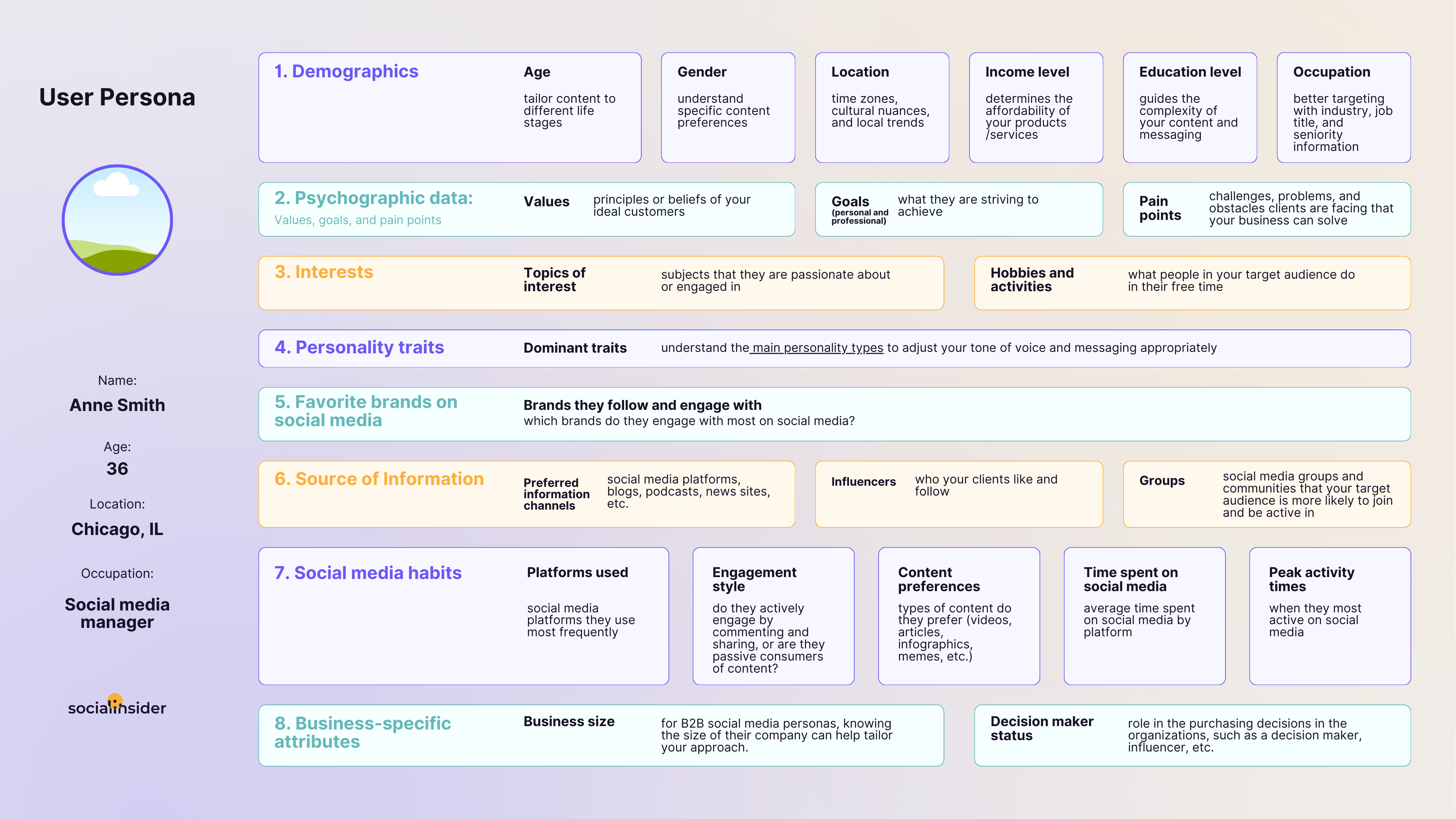
- Social-specific persona development: I build out personas based on platform activity, not just general demographics. Who’s saving posts on Instagram versus engaging in LinkedIn polls? I zero in on motivations, blockers, and the triggers that make each audience segment take action.
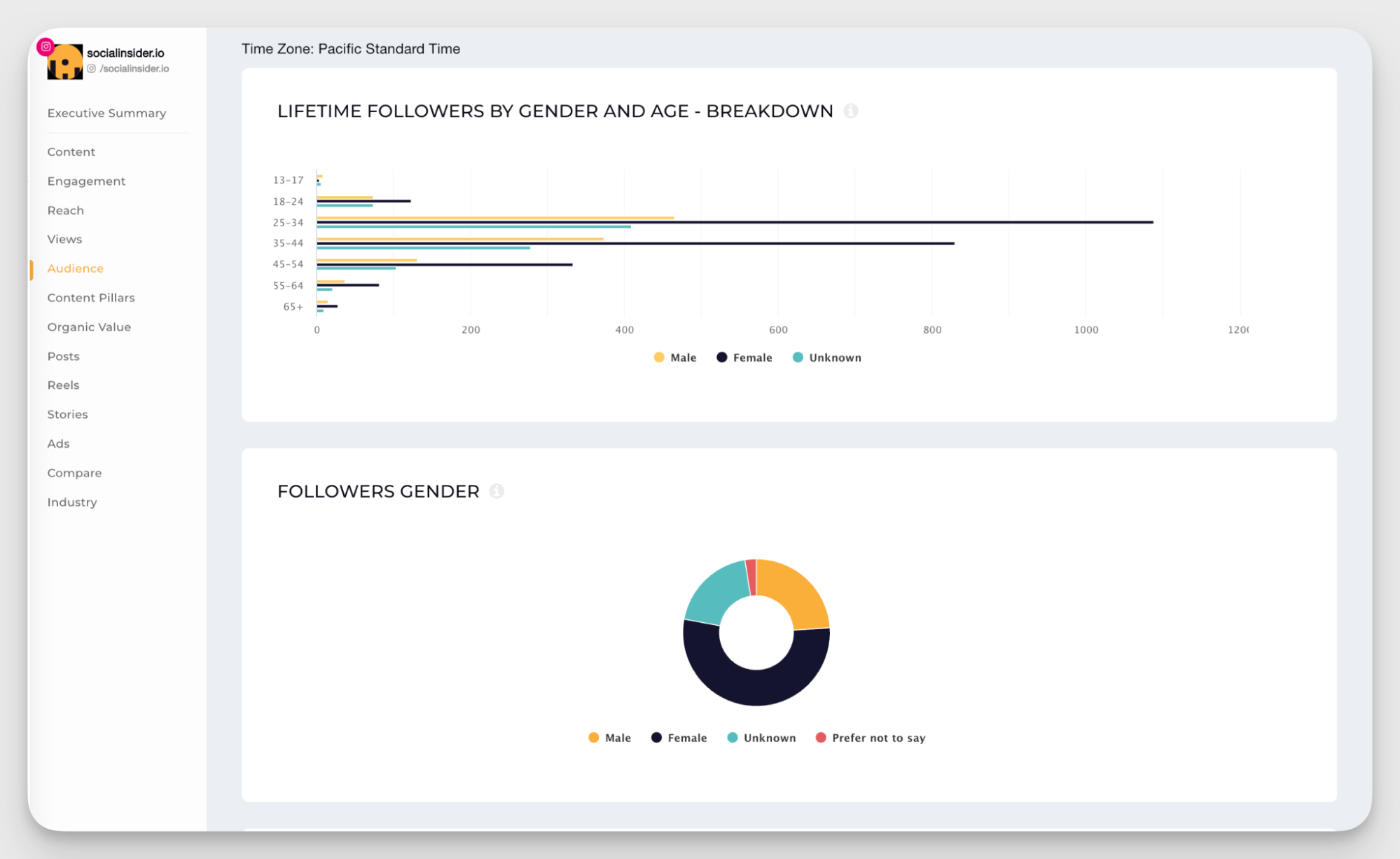
- Platform preference by persona type: Some audiences respond better to limited-time Instagram drops, while others prefer LinkedIn one-on-one DMs or TikTok trends. Mapping this out helps me choose where to double down to increase conversions from social.
Run A/B tests
If you’re serious about social conversion, A/B testing isn’t a bonus—it’s a standard operating practice.
- What to test: I regularly split-test creative (images, videos, UGC vs. branded), copy (length, tone, CTA wording), audience segments, ad placements, and even posting times. Sometimes, just tweaking a headline or CTA can drive a meaningful jump in conversions in social media.
And by the way, with Socialinsider, you can easily spot your most engaging posts and get a great start from there!
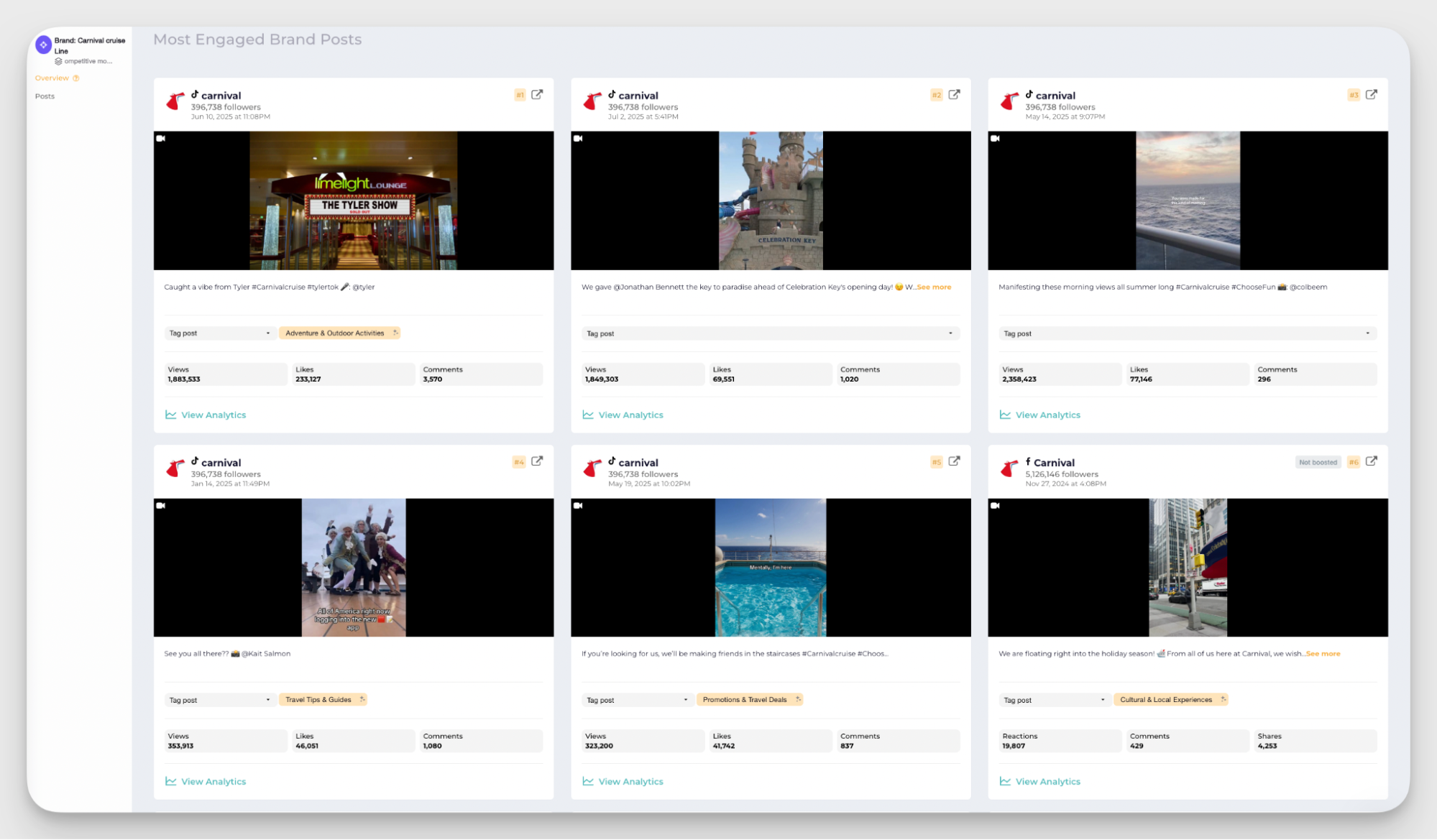
- Implementing winning variations: I move fast—once I spot a winner, I scale it, sunset the underperformers, and keep iterating. The platforms that adapt the quickest often see the biggest lift in increasing conversions.
Gather analytics data and optimize based on results
Numbers don’t lie—but you have to track the right ones.
- UTM parameters and tracking tools: Every campaign I run uses UTM codes so I know exactly which platform, ad, and CTA drove each conversion. This makes it simple to see how to increase conversions from social media without guesswork.
- Identifying conversion bottlenecks: I watch the journey—where are people clicking, where are they dropping? Sometimes it’s a landing page issue, sometimes the offer isn’t clear. Regular review lets me remove friction and double down on what’s working.
Best practices for increased social conversions
You don’t increase conversions from social by accident—it takes both strategy and discipline. From in-platform selling to influencer partnerships and smart automation, here are the best practices I rely on to drive conversions from social media day after day.
Social commerce best practices
The fastest way to streamline social media conversion? Meet customers where they want to shop.
- Native checkout: I always use native checkout (Instagram Shop, TikTok Shop, Facebook Shops) for impulse buys and mobile-first audiences—it cuts out steps and seriously increases conversions from social. For larger or more complex products, an optimized landing page is often better, but I still keep the journey as short and seamless as possible.
- Flash sales and limited-time offers: Creating urgency works. I’ve run “24-hour drops” or “early access sales” directly in Stories or Live events, and the uptick in conversions in social media is always immediate. Tie platform-exclusive promos to the native checkout for the fastest results.
Influencer partnerships best practices
Influencer collaborations aren’t just about awareness—they’re a proven lever for social conversion.
- Track promo codes: I give every partner unique UTM links or promo codes, so I can see exactly which partnerships are increasing conversions. This data informs who I scale up with next.
- Create affiliate programs: If you want to consistently drive conversions from social media, build long-term affiliate relationships. Influencers are far more invested when they have a stake in the results.
Community best practices
If you want steady, organic increases in conversions from social, build a community—not just an audience.
- Offer Exclusive offers for community members: I create insider-only discounts or early-bird access for my Facebook Groups or Discord servers,making members feel valued and more likely to convert.
- Encourage advocacy and word-of-mouth: My most effective “sales team” is a group of superfans sharing their own results or wins. Cultivate brand advocates, and you’ll naturally drive conversions from social media over time.
Automation and AI for conversion optimization
Work smarter, not harder—use automation and AI to turn micro-moments into conversions.
- Use chatbots for lead qualification and conversion: I set up Messenger, WhatsApp, or Instagram DM bots that reply instantly, capture leads, answer FAQs, and nudge fans toward action 24/7. This automation frees up time and boosts my response-driven social conversion rate.
- Leverage an AI-driven content analysis: Tools like Socialinsider surface which topics, posting times, and formats drive the most engagement and conversions from social. I regularly review content pillars to make sure I’m focused on what actually works.
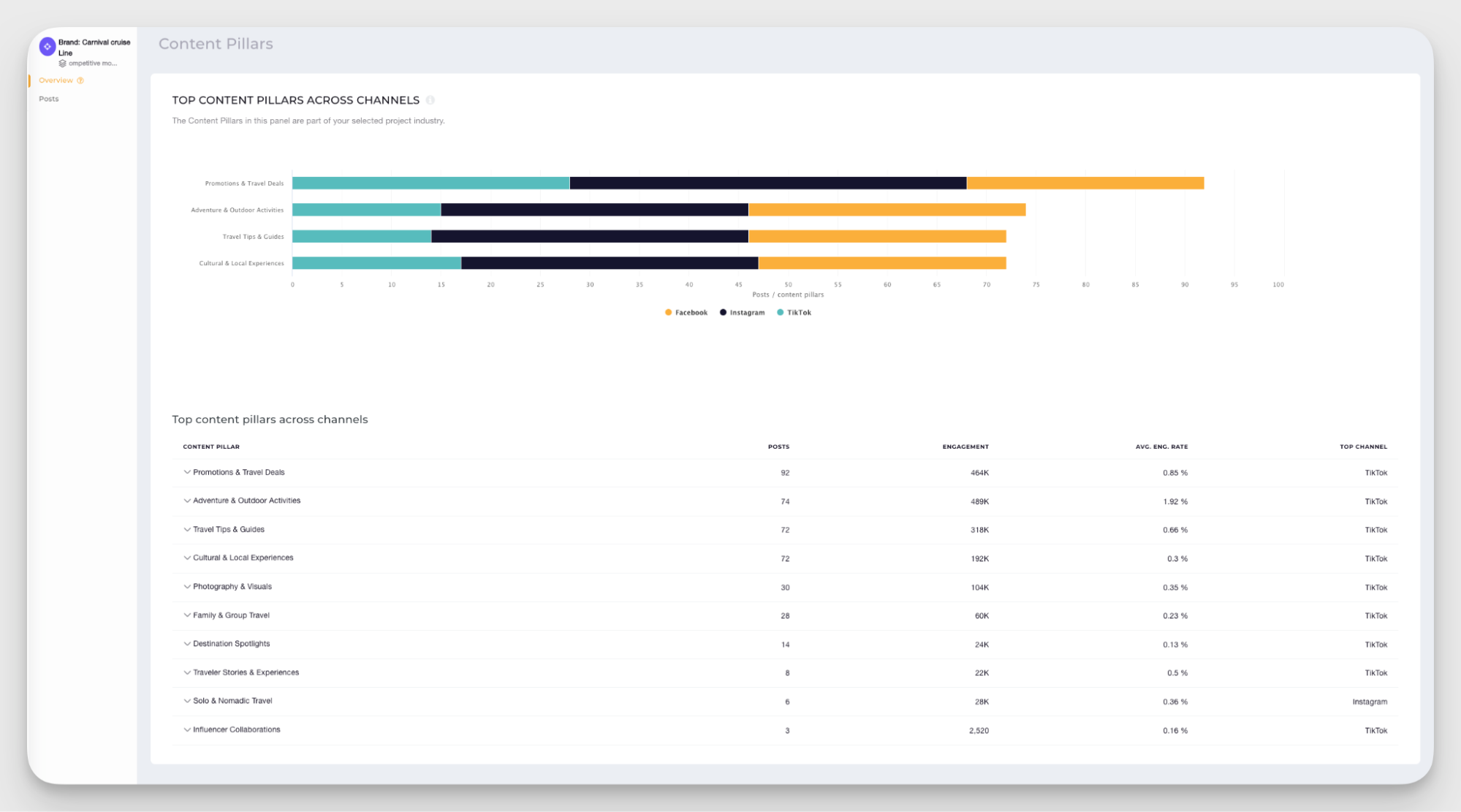
How to measure and report conversion from social media?
If you can’t track it, you can’t improve it. Every successful social media conversion strategy relies on clear measurement—not just for proof of performance, but to sharpen your next campaign. I report on conversions in social media the same way I optimize them: with a blend of granular platform data and big-picture business outcomes.
Essential social media conversion metrics
To truly increase conversions from social, you have to keep your eyes on a handful of high-impact numbers:
- Conversion rate by platform and campaign: I always break out conversion rates channel by channel, so I know exactly where social efforts are paying off—whether it’s Instagram Shop purchases, LinkedIn form fills, or TikTok Shop checkouts.
- Cost per conversion (CPC vs. CPA): Nothing keeps budgets honest like pinning down what it costs to generate a signup, lead, or sale on each social platform. I track both CPC (cost per click) and CPA (cost per acquisition) to see what’s efficient and scale what’s working.
- Customer lifetime value (CLV) from social channels: How much long-term value am I actually generating from social-originated customers? This number justifies higher media spend and helps focus my social conversion efforts where they’ll pay off over time.
Important data analysis techniques
Solid reporting isn’t about flooding your team with stats. I zero in on insights that actually move the needle for increasing conversions:
- Platform-specific vs. holistic reporting: I break out results by network—because what counts as a “conversion” can look totally different on Instagram versus LinkedIn—but I also roll up the data for a big-picture view of how my overall social media conversion strategy is performing.
By the way, with Socialinsider, you can analyze in-depth performance metrics at a channel, cross-channel, and even brand-level. Give it a try!
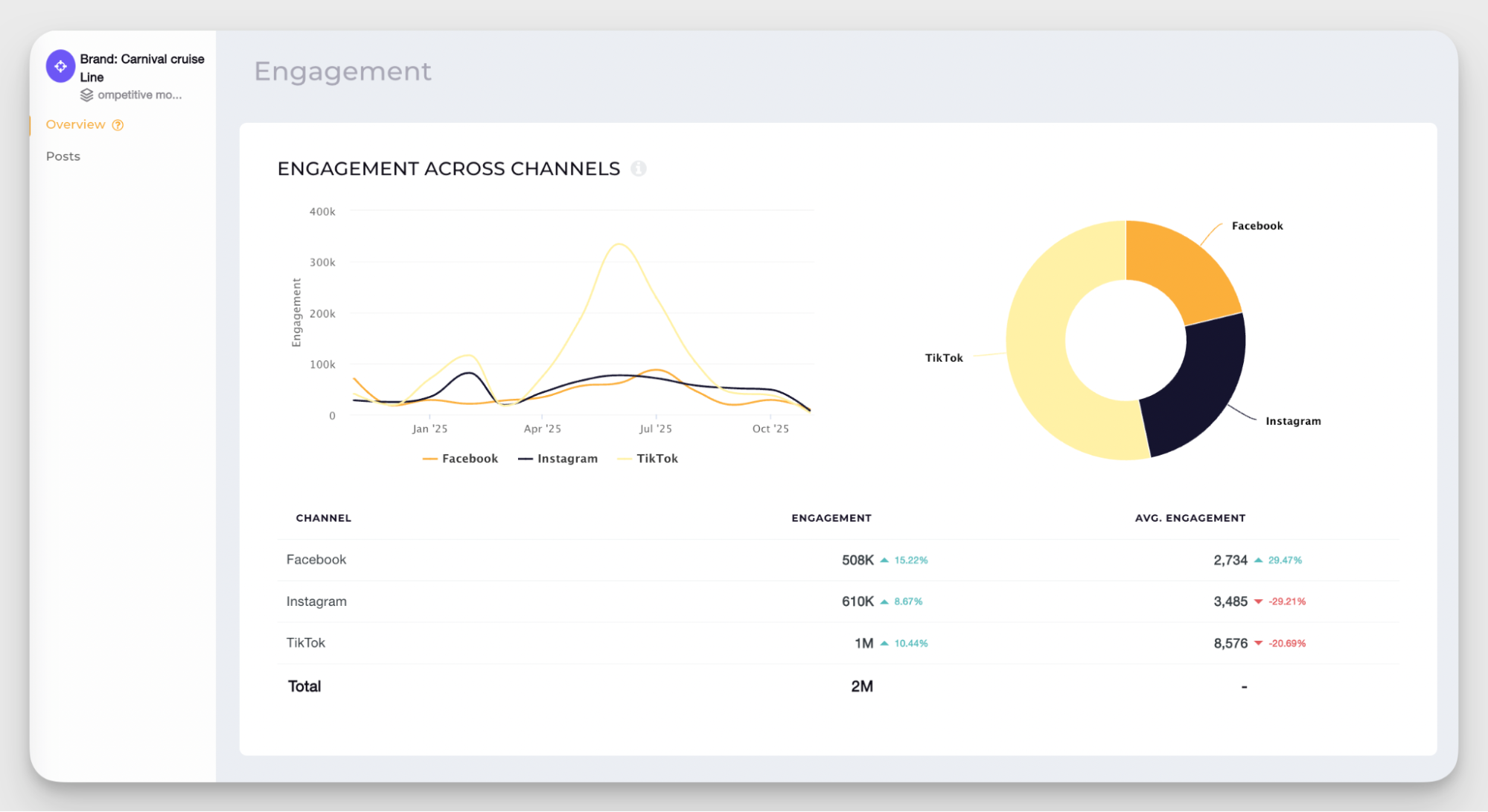
- Real-time monitoring vs. historical analysis: For flash campaigns or launches, I track conversions in real time to optimize on the fly. But for long-term improvements, I look at historical trends—what content, timing, or CTA changes drove improvements in increasing conversions from social media over the past months or quarters?
Final thoughts
If there’s one thing I’ve learned, it’s that social conversions don’t just “happen.” They’re the result of intentional, ongoing effort—a willingness to experiment, double down on what works, and pivot fast when something flops.
The path to increasing conversions from social is rarely linear, but each campaign is an experiment that teaches you something new about your audience and your approach.
So don’t be afraid to get creative, dive deep into your analytics, and make every social touchpoint intentional. A sharp, well-tested social media conversion strategy is how the best brands stand out, build real relationships, and turn moments of engagement into measurable, long-term growth. Here’s to your next breakthrough social campaign!
Ritika Tiwari
Ritika Tiwari is a content writer and strategist with over 10 years of experience creating content for SaaS B2B brands. Outside of work, you’ll likely find her somewhere near the ocean.

Analyze your competitors in seconds
Track & analyze your competitors and get top social media metrics and more!
You might also like


Improve your social media strategy with Socialinsider!
Use in-depth data to measure your social accounts’ performance, analyze competitors, and gain insights to improve your strategy.