Platformă de top de social media analytics care aduce claritate în haos
Obține insights valoroase din datele de social media analytics și transformă-le în conținut care atrage atenția. Ia decizii bazate pe date ori de câte ori creezi o strategie social media.
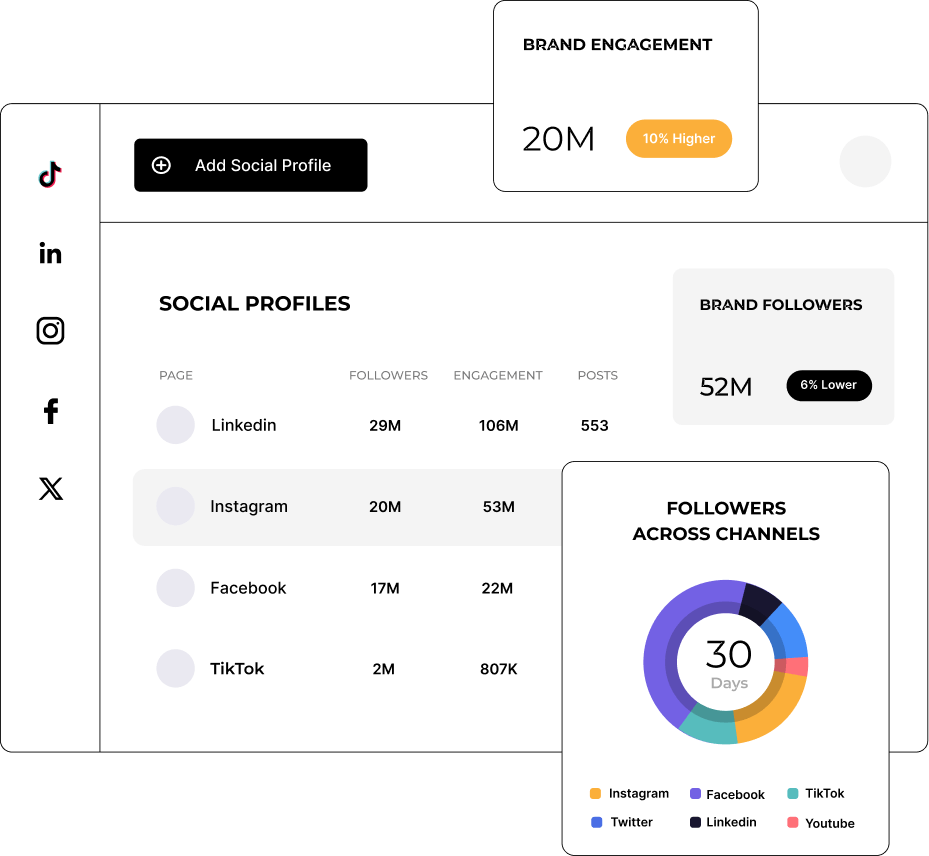






Obține insights inteligente din datele tale de social media
Transformă metricile brute de social media în insights utile cu rezumate executive bazate pe AI, care analizează performanța la nivel de cont, brand și industrie (pe baza datelor de benchmark din industrie).
Obține recomandări strategice generate automat din datele tale de social media pentru a-ți extinde gândirea strategică și a stimula creșterea reală și avantajul competitiv.
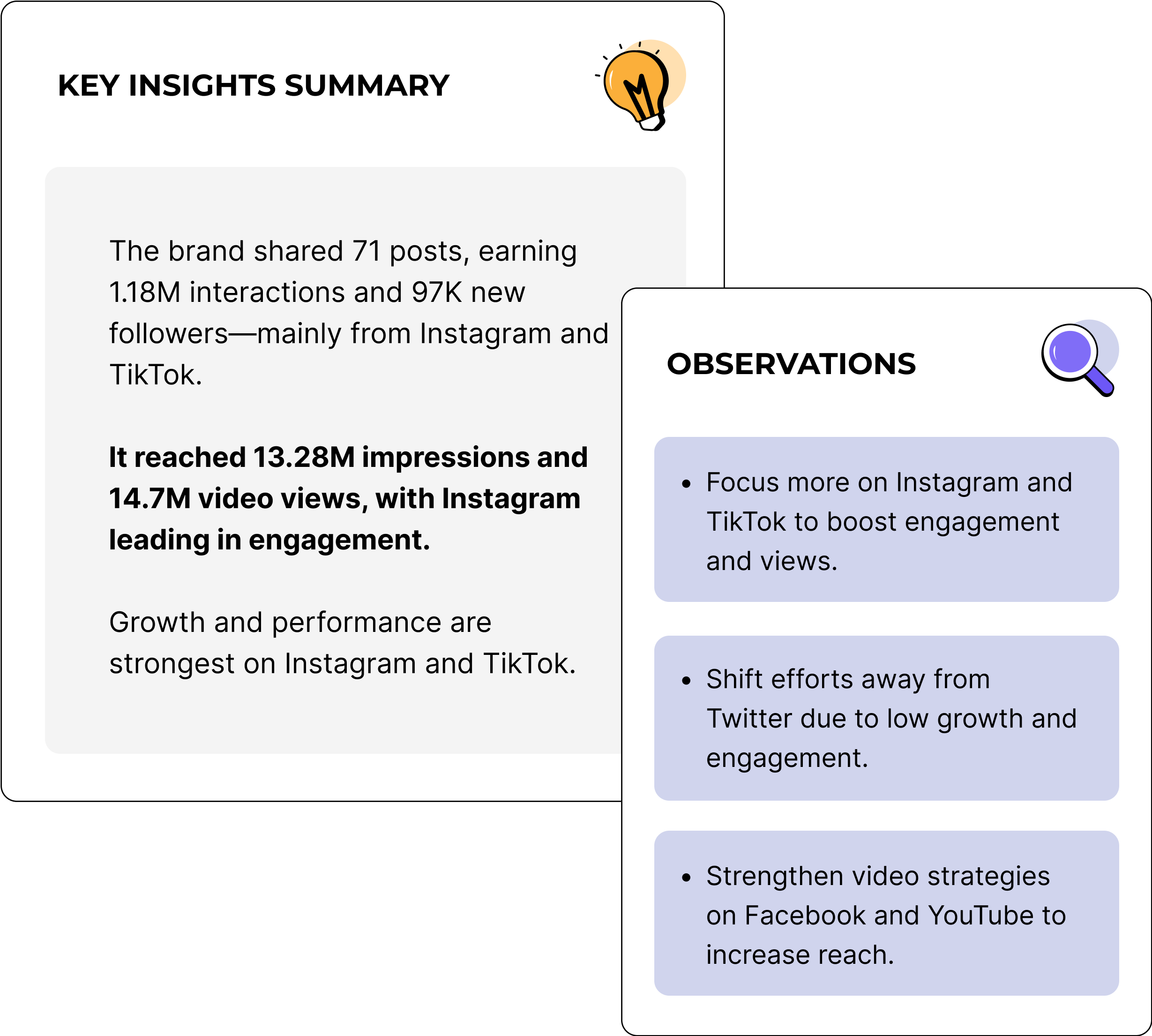
Calculează ROI-ul strategiei tale organice de social media
Nu te mai întreba cât valorează conținutul tău organic. Metricile tale de engagement sunt convertite automat în valori precise exprimate în dolari.
Deblochează calcule automate ale ROI-ului care dezvăluie valoarea de business a postărilor tale organice. Obține aprobarea bugetului și poziționează social media ca motor măsurabil de venituri în întreaga organizație.
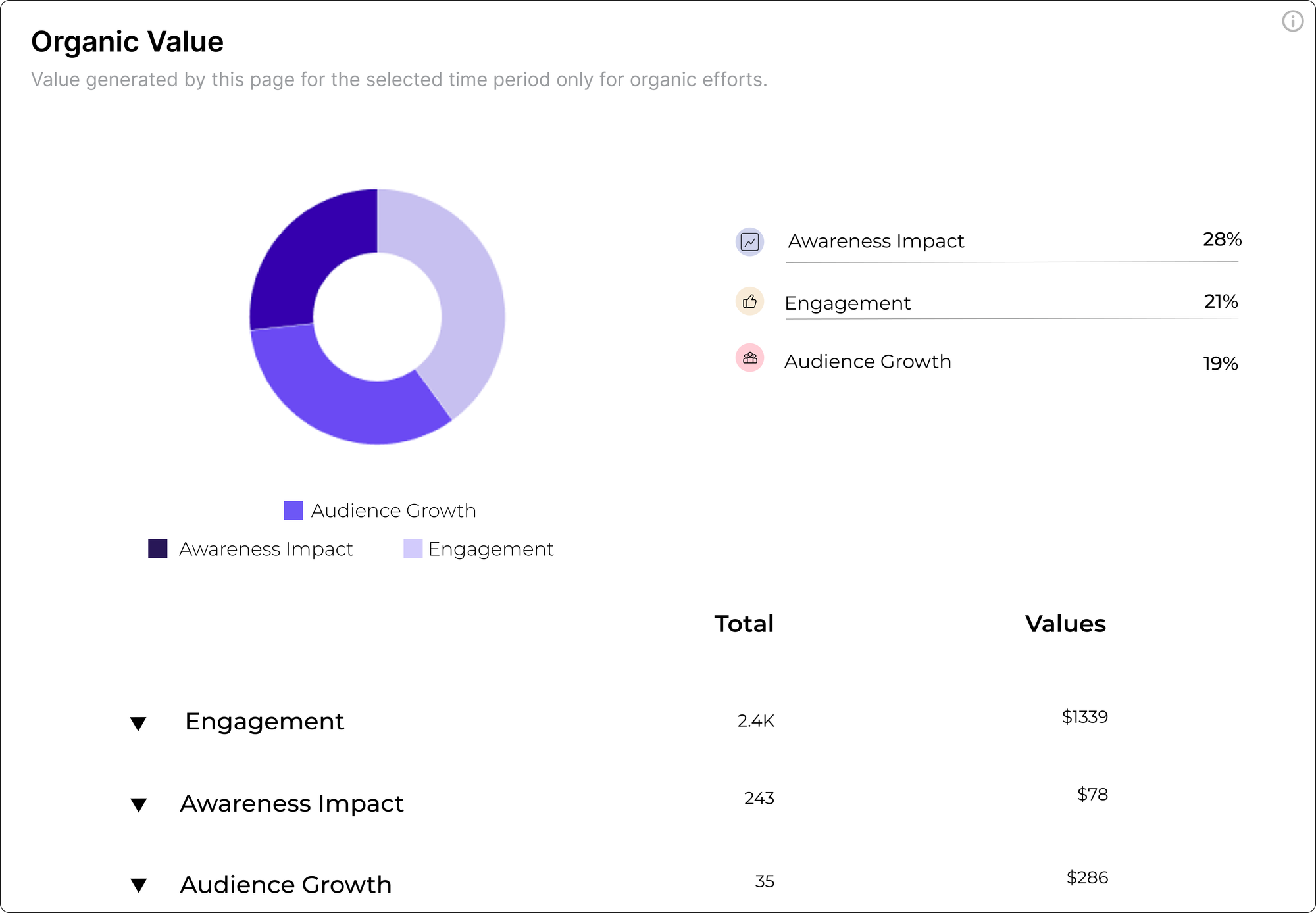
Obține insights despre performanța canalelor tale
Obține rapoarte esențiale de social media analytics pentru a înțelege dacă strategia ta social media actuală este eficientă în atingerea obiectivelor de business.
Folosește instrumentele de social media analytics de la Socialinsider pentru a vedea cum a evoluat performanța brandului tău în timp. Monitorizează metrici precum engagement, reach, impressions, Followers Growth și altele pentru a identifica cele mai performante canale ale tale.
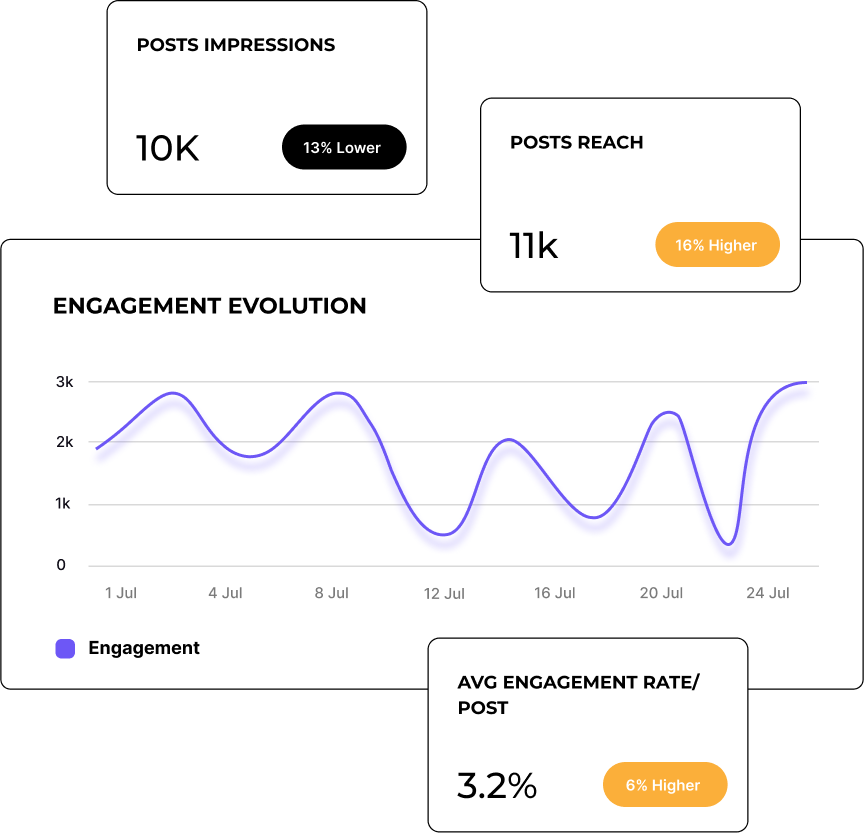
Adaugă context competitiv analizei tale
Compară-ți performanța cu cea a concurenților tăi în funcție de diferite KPIs, precum engagement rate și Followers Growth, și clasifică-le conținutul pe baza cuvintelor-cheie sau a hashtagurilor.
Folosește cel mai bun instrument de analiză a concurenței în social media pentru a identifica lacunele din propria strategie.
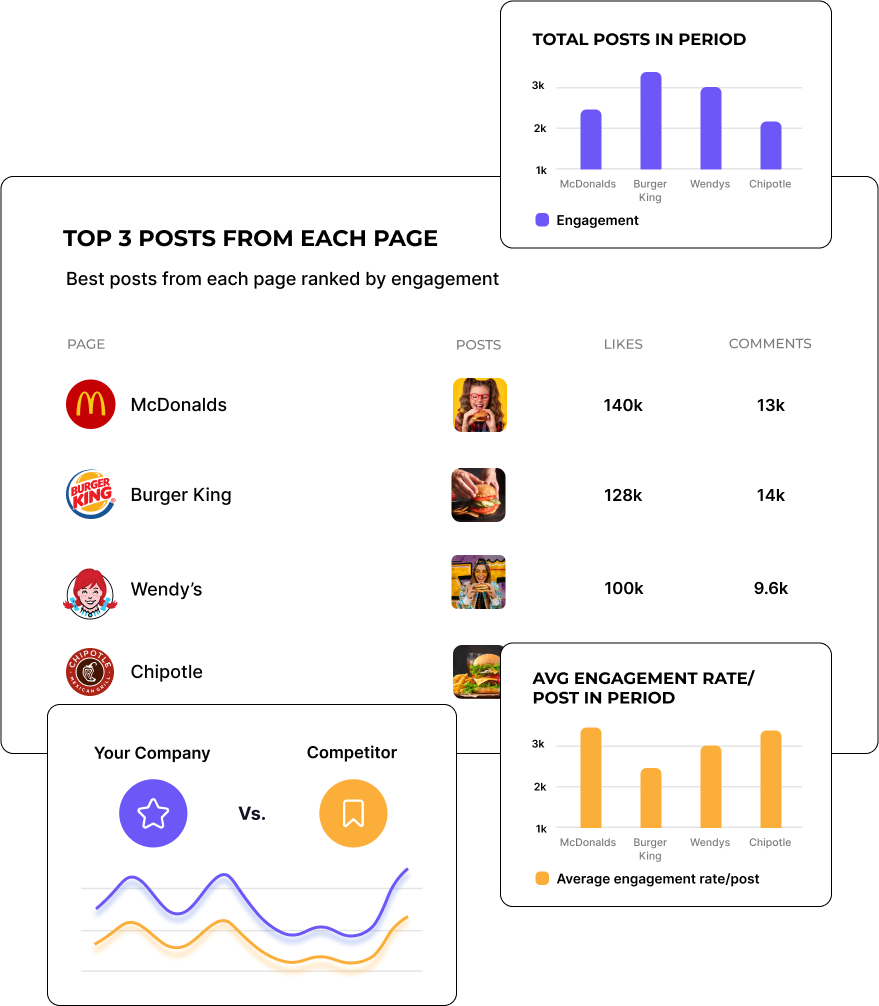
Identifică cele mai performante materiale de conținut social media
Îmbunătățește-ți strategia de conținut cu analize detaliate ale postărilor. Află care sunt cele mai bune formate de conținut pentru diferite categorii.
Analizează postările de pe social media pentru a înțelege ce funcționează și ce nu. Obține insights despre cum îți poți îmbunătăți strategia social media.


"Analiză social media simplificată și directă pentru profesioniști ocupați din social media."

Analizează conținutul de social media pe baza cuvintelor-cheie sau a subiectelor
Explorează în profunzime dashboard-ul de social media analytics pentru a afla cum performează conținutul tău de social media pe mai multe rețele sociale.
Folosește instrumentul de social media analytics al Socialinsider pentru a categoriza conținutul de social media pe baza cuvintelor-cheie și pentru a vedea care sunt cele mai de succes concepte creative ale tale.
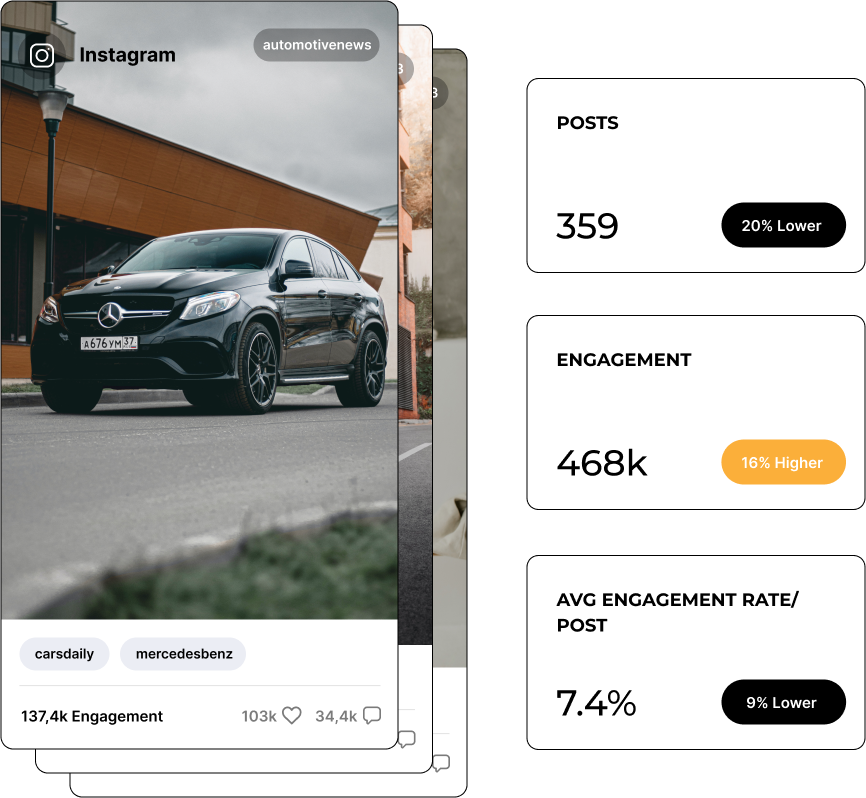
Compară rapoartele de social media analytics ale brandului
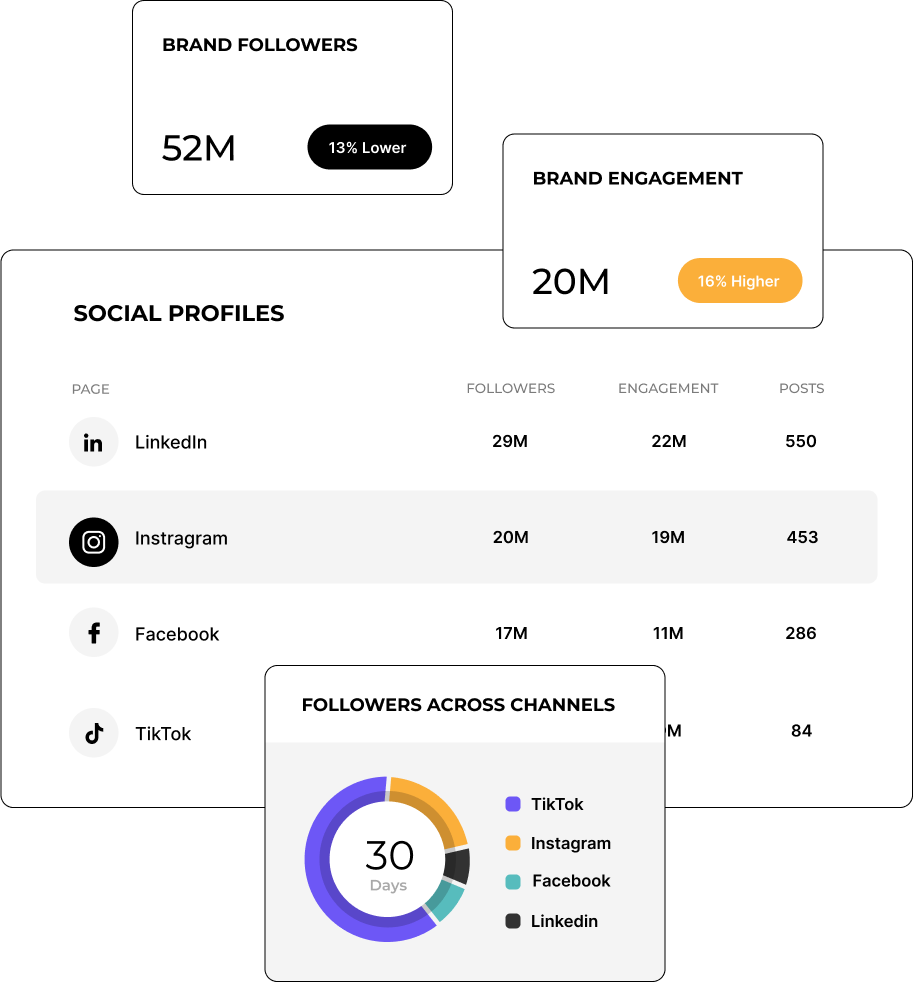
Identifică oportunități de îmbunătățire a strategiei. Folosește social media analytics cross-channel pentru a lua decizii de optimizare bazate pe date și pentru a-ți ajusta bugetul și rezultatele social media.
Înțelege care este canalul cu cea mai bună performanță realizând o analiză aprofundată de social media pe mai multe platforme de social media.
Obține rapoarte de social media analytics
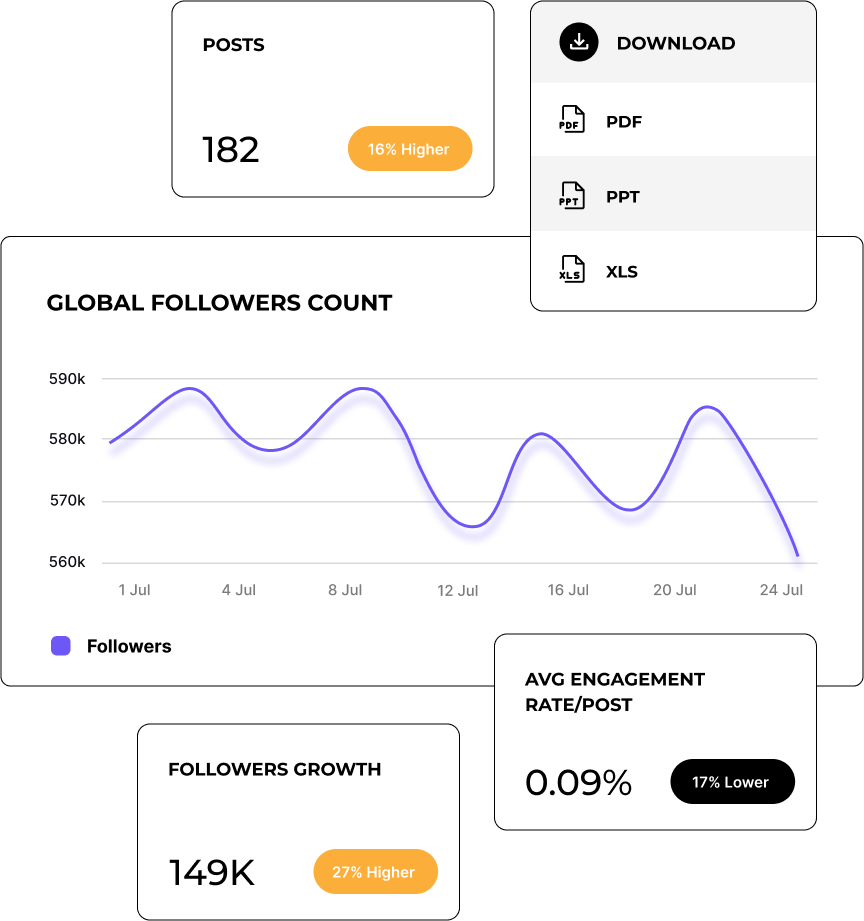
Exportă datele de social media și îmbunătățește-ți reporting-ul cu instrumente extinse de social media analytics, inclusiv analiză social media a campaniilor și benchmark-uri competitive.
Obține rapoarte social media sub marca ta și afișează-ți KPIs social media folosind formatul care funcționează pentru tine.
Analizează performanța social media cu Socialinsider
Instrumentele de social media analytics și de analiză a competitorilor ale Socialinsider îți permit să măsori performanța în social media, să efectuezi audituri și să compari performanța.
Începe prin a crea un cont de probă pentru Socialinsider.
Adaugă-ți concurenții și conectează profilurile pe care le gestionezi.
Obține toate metricile de engagement pentru orice cont de business de pe social media.
Compară-ți performanța cu cea a principalilor concurenți.
Efectuează o analiză între canale pentru a evalua performanța ta pe social media.
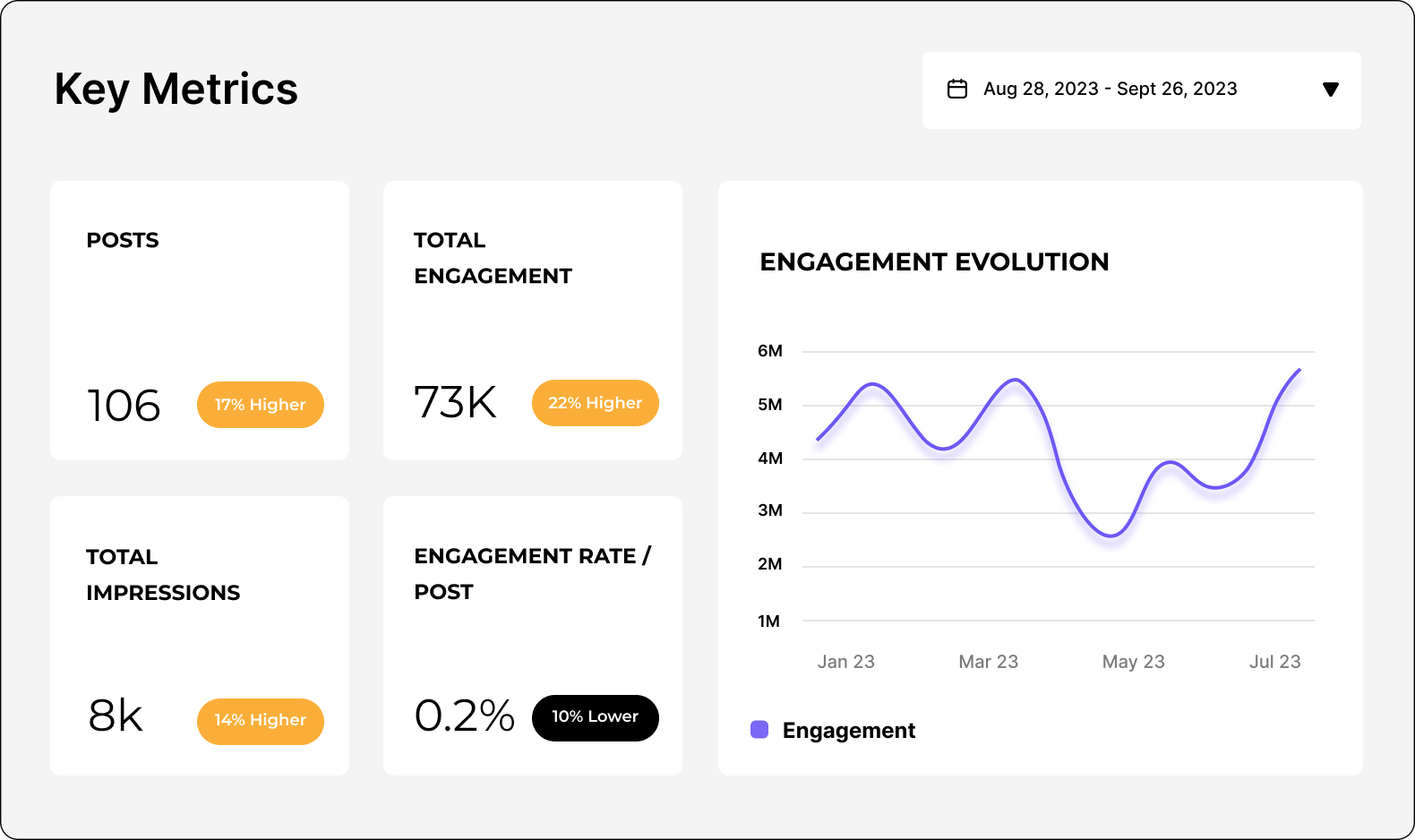
Obține insights despre concurență și explorează
metrici de social media analytics
Ce spun despre noi
"Serviciul de asistență pentru clienți a fost și una dintre funcțiile mele preferate. Sunteți pur și simplu fenomenali. Echipa voastră răspunde foarte prompt și este foarte amabilă și de ajutor. Ceea ce nu este ceva obișnuit."

"Socialinsider ne-a ajutat să înțelegem dacă ne îmbunătățim sau scădem, mai ales în comparație cu celelalte conturi pe care le urmărim."

"Socialinsider permite o analiză a competitorilor care oferă insight despre performanță în raport cu piața."

"Analiza sentimentului este extraordinară pentru Hashtags de pe Instagram. Acest nou dashboard de social media listening m-a ajutat în planificarea pe termen lung."

"Folosim acest dashboard de social media analytics pentru toți cei 40 de clienți social media ai noștri. Putem avea toate datele de performanță într-un singur loc."

"Cu Socialinsider, echipa noastră a devenit mai eficientă. Nu mai trebuie să pierdem timp cu colectarea datelor social media. Astfel, ne putem concentra pe insights și analiză."

"Folosim Socialinsider pentru insights de social media de zi cu zi, atunci când avem nevoie să schițăm schimbări strategice simple sau să analizăm performanța anumitor postări de social media."

"În medie, un raport de social media pentru un brand necesită între 1 și 2 ore de lucru cu Socialinsider, în timp ce înainte era nevoie de o zi întreagă pentru a colecta datele."

"Socialinsider ne-a economisit peste 16.000 de dolari pe an. Ne-a permis să economisim timp la rapoartele lunare și la analizele complexe pe termen lung."

Întrebări frecvente
Ai o întrebare? Avem răspunsurile.
Ce este social media analytics?
Să fim sinceri: social media marketing poate părea haotic și plin de capcane. Apar mereu tendințe noi, tipuri de conținut și chiar platforme complet noi. Expunerea în fața unor audiențe uriașe poate fi o binecuvântare sau un blestem, iar o posibilă criză de PR poate fi declanșată de un simplu clic greșit.
Aici intervine social media analytics pentru marketing.
Social media analytics se referă la procesul de colectare și analiză a datelor de pe platforme social media precum Facebook, Instagram, Tik Tok, LinkedIn, X (fostul Twitter) și YouTube. Specialiștii în marketing și proprietarii de afaceri pot folosi social media analytics și reporting pentru a trece dincolo de zgomot și a descoperi insights despre brandul lor și performanța conținutului.
Datele potrivite îți pot spune tot ce trebuie să știi despre audiența ta, concurență, piața în ansamblu, tendințele platformelor și succesul conținutului și tacticilor tale. Poți înțelege cui te adresezi și cum se comportă, ce funcționează și ce nu. Apoi îți poți optimiza strategia în consecință.
Folosind eficient social media analytics, vei putea să preiei controlul asupra haosului și să câștigi claritate și încredere în eforturile și investițiile tale de social media marketing.
De ce trebuie specialiștii în marketing să urmărească social media analytics?
Importanța social media analytics ține în primul rând de timpul, banii și efortul investite în administrarea unui cont de business. Când investești resurse valoroase într-o strategie de marketing, vrei să te asiguri că sunt folosite bine.
Specialiștii în marketing trebuie să acorde prioritate social media analytics și reporting pentru a înțelege clar ce funcționează și ce nu pentru afacerea lor. Astfel, poți lua decizii inteligente, poți rafina strategiile și, în cele din urmă, poți obține rezultate mai bune.
Dacă datele nu sunt punctul tău forte, poate te întrebi cât de necesare sunt, de fapt, social media analytics pentru strategia ta. La urma urmei, majoritatea conținutului viral se bazează pe creativitate pură. Nu e rețeta succesului pur și simplu intuiția combinată cu puțin noroc?
Ei bine, doar într-o anumită măsură. În realitate, platformele de social media funcționează pe baza unor algoritmi, iar aceștia se bazează pe date. Așadar, pentru a stăpâni algoritmul, trebuie să înțelegi datele.
Urmărirea datelor de social media te va ajuta să:
- Măsori performanța brandului - evaluezi reușitele și eșecurile, urmărești ROI.
- Înțelegi comportamentul publicului - cine sunt oamenii din publicul tău, cu ce tip de conținut interacționează și când sunt cel mai activi?
- Analizezi conținutul și tendințele - identifici conținutul care aduce rezultate și tendințele care pot face diferența.
- Evaluezi concurenții - îți compari performanța cu a lor prin benchmarking și identifici lacune sau oportunități.
- Anticipezi tendințele - urmărești actualizările și tendințele platformelor, precum și subiectele și conversațiile relevante.
Pe scurt, poți vedea care platforme de social media funcționează cel mai bine pentru brandul tău, care campanii sunt cele mai eficiente sau cele mai puțin eficiente și ce conținut obține cea mai mare vizibilitate și engagement.
Aceste insights te vor ajuta să iei decizii bazate pe date pentru strategia ta: privind alocarea resurselor, gestionarea bugetului, ajustarea campaniilor și prioritizarea platformelor și tacticilor eficiente din punctul de vedere al costurilor.
Nu uita, social media are un potențial uriaș:
- 43% dintre clienți descoperă produse noi prin social media
- 66% dintre clienți cumpără după ce văd o postare pe social media
Așadar, nu rata această oportunitate! Specialiștii în marketing care pun analiza în centrul activității lor de social media reporting au șanse mult mai mari să investească inteligent, să mențină stakeholderii mulțumiți, să-și perfecționeze abilitățile și să-și dezvolte expertiza.
Care sunt tipurile de social media analytics?
Există mai multe tipuri de social media analytics, care pot fi grupate în linii mari astfel: descriptive analytics, diagnostic analytics, predictive analytics, prescriptive analytics, real-time analytics, competitor analytics, sentiment analytics, influencer analytics, content analytics și audience analytics.
În fiecare categorie există metrici-cheie (reține: analytics înseamnă interpretarea datelor pentru a identifica tipare, a obține insights și a lua decizii strategice; metricile sunt datele brute).
Dacă ți se pare mult de procesat, nu-ți face griji — este, de fapt, destul de simplu. Iată un ghid scurt despre social media analytics, care te ajută să parcurgi diferitele categorii:
Ce sunt descriptive analytics?
Descriptive analytics se bazează pe date istorice. Prin sintetizarea unor metrici precum Followers, Likes, Shares, Comments și Impressions, poți crea un raport de analiză a performanței pentru anumite perioade, astfel încât să urmărești atât creșterea pe termen scurt, cât și pe termen lung.
Exemple de descriptive analytics:
- Metrici de engagement: Likes, Shares, Retweets, Comments
- Creșterea audienței: ritmul în care câștigi sau pierzi Followers
- Performanța conținutului: postări cu performanță ridicată sau scăzută
Ce sunt diagnostic analytics?
Diagnostic analytics analizează cauza principală a anumitor evenimente sau rezultate din social media reporting. Poți identifica motive concrete pentru succes sau eșec, fără să simți că acționezi la întâmplare.
Exemple de diagnostic analytics:
- Analiza Engagement Rate: identificarea motivului pentru care anumite postări au un engagement mai ridicat sau mai scăzut — formatele, subiectele sau momentul publicării?
- Sentiment analysis: identificarea cauzelor anumitor reacții (pozitive, neutre, negative).
- Analiza tendințelor: identificarea tiparelor pentru a afla de ce anumite tipuri sau teme de conținut au devenit populare.
Ce sunt predictive analytics?
Predictive analytics folosesc datele existente și performanța trecută pentru a prognoza tendințe sau rezultate viitoare. Îți oferă un control mai bun asupra peisajului social media, adesea imprevizibil, astfel încât să te poți pregăti din timp pentru riscuri sau să profiți de oportunitățile de creștere.
Exemple de predictive analytics:
- Prognoza engagement-ului: anticiparea performanței posibile a postărilor viitoare pe baza engagement-ului anterior.
- Proiecții privind creșterea audienței: estimarea creșterii viitoare a numărului de Followers pe baza ritmurilor actuale.
- Predicții privind tendințele: identificarea potențialului conținut viral sau a tendințelor emergente de valorificat.
Ce sunt prescriptive analytics?
Prescriptive analytics merg cu un pas mai departe decât predictive analytics, sugerând activ acțiuni. Aceste recomandări se bazează pe date existente și sunt concepute pentru a-ți îmbunătăți performanța.
Exemple de prescriptive analytics:
- Recomandări pentru strategia de conținut: tipurile de conținut sau cele mai bune momente pentru postări, pentru un reach și un engagement optime.
- Ajustarea targetării: segmentele de audiență asupra cărora să te concentrezi în campaniile tale.
- Alocarea resurselor: unde să aloci bugetul de marketing pe diferite platforme social media, pentru un ROI maxim.
Ce sunt real-time analytics?
Real-time analytics urmăresc și analizează date live, astfel încât să poți monitoriza campanii sau să răspunzi evenimentelor pe măsură ce au loc. Fiind atent la ce se întâmplă, poți face rapid schimbări sau poți valorifica momentul.
Exemple de real-time analytics:
- Monitorizarea live a campaniilor: urmărește performanța unei campanii sau a unui eveniment live pentru a face ajustări pe loc.
- Gestionarea crizelor: urmărește mențiunile brandului și sentimentul pentru a rezolva imediat orice problemă de PR.
- Social listening: observă conversațiile despre brandul, produsul sau industria ta pe măsură ce au loc.
Ce sunt competitor analytics?
Competitive social media analytics oferă date despre conturile și activitățile competitorilor — sau, pur și simplu, ale brandurilor pe care le admiri. Acest lucru te ajută să compari performanța prin benchmarking, să identifici oportunități de creștere pe baza punctelor forte sau slabe ale competitorilor, să găsești idei și inspirație pentru conținut, să observi tendințele din industrie și să anticipezi pașii următori.
Exemple de competitor analytics:
- Analiză comparativă a engagement-ului: vezi cum se poziționează metricile tale de engagement față de competiție.
- Compararea strategiei de conținut: analizează ce publică competitorii și ce performanță are conținutul lor.
- Poziționarea pe piață: folosește un raport de analiză a competitorilor pentru a înțelege cum ești perceput în categoria ta.
Ce sunt sentiment analytics?
Sentiment analytics monitorizează emoțiile și opiniile din interacțiunile social media pentru a evalua ce simt oamenii față de brandul tău. Astfel, înțelegi percepția publicului și satisfacția clienților, pentru a amplifica feedbackul pozitiv, a aborda eventualele îngrijorări și a-ți proteja reputația brandului.
Exemple de sentiment analytics:
- Scorul sentimentului: scorul net care arată cât de pozitiv, negativ sau neutru se raportează oamenii la brandul tău.
- Analiza tendințelor sentimentului: urmărirea schimbărilor sentimentului în timp, mai ales după evenimente sau campanii importante.
- Analiza feedbackului clienților: evaluează sentimentul recenziilor sau comentariilor pentru a-l folosi în dezvoltarea produsului.
Ce sunt influencer analytics?
Influencer analysis extrage și interpretează date din profilurile și campaniile influencerilor. Astfel, afli către ce influenceri să te îndrepți pentru colaborări și care este impactul campaniilor la care lucrezi.
Exemple de influencer analytics:
- Identificarea influencerilor: găsirea influencerilor relevanți, cu rezultate demonstrate, pentru campanii și colaborări.
- Impactul campaniilor: măsoară reach-ul, engagement-ul și conversiile generate de campaniile cu influenceri.
- ROI-ul influencerilor: calculează rentabilitatea investițiilor în parteneriate cu influenceri.
Ce sunt content analytics?
Content analytics îți oferă insights detaliate și agregate despre performanța conținutului: fie postări individuale, fie postări grupate după temă sau format. Astfel, îți poți concentra eforturile de creare a conținutului pe tipurile care funcționează și le poți reduce pe cele care nu dau rezultate.
Exemple de content analytics:
- Performanța tipurilor de conținut: un raport de analiză a postărilor îți arată ce tipuri de conținut (de exemplu, videoclipuri, postări cu imagini, linkuri, sondaje, postări text etc.) au cel mai mare succes.
- Analiza subiectelor: un raport de analiză a engagement-ului identifică cele mai populare subiecte pe baza interacțiunilor audienței.
- Frecvența conținutului: stabilește cât de des să postezi pentru un reach și un engagement optime.
Ce sunt audience analytics?
Un raport de audience analytics îți arată datele demografice, comportamentele și preferințele audienței tale țintă. Acest lucru te ajută să creezi conținut relevant, să înțelegi și să răspunzi nevoilor clientului ideal, să atragi leaduri calificate și să optimizezi mesajele — pentru o eficiență mai mare a marketingului și produse sau servicii îmbunătățite.
Exemple de audience analytics:
- Structura demografică: vârsta, genul, locația și interesele audienței tale țintă.
- Tiparele de engagement: segmentează-ți audiența pentru a vedea cum interacționează diferite personas cu conținutul tău.
- Suprapunerea audienței: evaluează dacă ai aceeași audiență ca un competitor sau influencer.
Cum urmărești social media analytics?
Dacă te întrebi cum să analizezi datele de social media analytics, poți urmări datele de pe diferite platforme folosind diverse instrumente.
Cum să urmărești social media analytics: pas cu pas
- Înainte de orice, clarifică-ți obiectivele și KPI-urile. Gândește-te la următoarele:
- Cum contribuie social media la strategia ta generală de marketing? (notorietatea brandului, asistența pentru clienți, promovarea brandului de către angajați, vânzări directe etc.))
- Ce este realist și realizabil?
- Alege un instrument profesional de social media analytics. Fiecare platformă de social media are o aplicație nativă de analiză sau poți obține analize mai avansate cu un instrument terț precum Socialinsider.
- Urmărește și analizează datele. Acordă o atenție deosebită KPI-urilor și identifică tipare sau tendințe.
- Raportează rezultatele. Creează un raport de social media analytics pentru a comunica insights importante și a le împărtăși cu părțile interesate.
- Ajustează-ți și optimizează-ți strategia . Ia decizii bazate pe date pentru a-ți îmbunătăți performanța.
Cum să urmărești social media analytics cu Socialinsider
Socialinsider este un instrument integrat de analiză care include Tik Tok, Instagram, LinkedIn, Facebook, X și YouTube într-un singur dashboard ușor de folosit — ceea ce simplifică viața marketerilor ocupați. Poți compara performanța pe mai multe canale, analiza competitorii, accesa insights despre conversații, consulta benchmark-uri și multe altele, pe lângă analizele aprofundate ale platformelor.
Ce metrici social media să urmărești?
Există atât de multe tipuri de metrici de marketing social media pe care le poți urmări — dar pe care trebuie să le urmărești? Am chestionat specialiști în marketing din unele dintre cele mai active industrii de pe rețelele sociale în Raportul State of Social Media 2024. Iată principalii metrici de urmărit:
- Metrici de engagement - 78.51%
Cum interacționează publicul tău cu conținutul prin like-uri, comentarii, distribuiri, salvări etc. - Reach și impressions - 68.6%
Metrici de vizibilitate care indică expunerea brandului.
Reach: numărul total de utilizatori unici care îți văd conținutul.
Impressions: numărul total de dăți în care conținutul tău este afișat utilizatorilor, chiar dacă aceștia nu interacționează cu el. - Follower growth și date demografice - 64.46%
Insights despre publicul tău și despre modul în care acesta crește.
Follower growth: rata la care câștigi sau pierzi followers.
Demographics: caracteristicile publicului, precum vârsta, genul, locația, interesele, industria etc. - Trafic social media către site - 52.07%
Cât trafic direcționează canalele tale social media către site-ul tău, măsurat prin vizitatori (urmărit de obicei prin linkuri de recomandare în Google Analytics). - Rate de click-through - 43.8%
Procentul persoanelor care au dat clic pe un link din postarea sau reclama ta social media, din totalul de impressions. - Rate de conversie și leads generate - 34.71%
Metrici care te ajută să calculezi ROI-ul marketingului tău social media.
Conversion rate: procentul utilizatorilor care au finalizat o acțiune dorită, de exemplu o achiziție, după ce au interacționat cu conținutul tău social media.
Leads generated: numărul de clienți potențiali generați prin activitatea social media, care și-au arătat interesul pentru produsul sau serviciul tău, de exemplu prin completarea datelor într-un formular de contact.
Cum folosești social media analytics?
Acum știi ce metrici să urmărești. Cum le folosești eficient?
După ce ți-ai stabilit obiectivele și KPIs, ți-ai configurat dashboard-urile și ai început să-ți urmărești datele, probabil te întrebi cum să valorifici aceste insights și să aplici social media analytics în strategia ta.
Cheia este analiza și raportarea social media realizate regulat. Urmărește să creezi rapoarte cel puțin lunar, dar ideal săptămânal, dacă vrei să valorifici cu adevărat potențialul social media analytics. Nu uita să privești imaginea de ansamblu și să faci retrospective mai ample — trimestrial sau anual —.
Iată câteva bune practici de social media analytics care îți pot îmbunătăți marketingul.
Cum faci o analiză social media
- Identifică tipare - în loc să privești numerele izolat, încearcă să corelezi diferite metrici, perioade și evenimente. Astfel poți verifica dacă KPIs sunt pe drumul cel bun și sunt realiste sau dacă trebuie să-ți ajustezi obiectivele.
- Monitorizează comportamentul publicului - analizează datele demografice, perioadele de activitate maximă și preferințele pentru conținut, pentru a adapta conținutul la preferințele și tendințele publicului tău.
- Măsoară performanța conținutului - investighează tiparele de reach și engagement, experimentează cu formate sau tactici diferite și testează hashtaguri cu performanțe bune pentru a crește impactul conținutului tău.
- Social listening și monitorizarea tendințelor - observarea atentă a conversațiilor și tendințelor îți poate influența conținutul sau chiar dezvoltarea produsului, poate eficientiza feedbackul, te poate ajuta să testezi tipuri de conținut, de exemplu video, și îți poate ghida alegerea partenerilor influenceri.
- Monitorizează reputația brandului - urmărirea analizei sentimentului și răspunsul prompt la feedback te vor ajuta să protejezi și să îmbunătățești reputația brandului.
- Analiza competitorilor - compară KPIs cu cei ai competitorilor sau ai brandurilor pe care le admiri și analizează conținutul și activitatea altor conturi pentru idei.
- Reclame plătite și optimizarea campaniilor - urmărește performanța campaniilor, rafinează targetarea și ajustează bugetul pentru reclame cu ajutorul unor instrumente robuste de social media analytics.
- Urmărește traficul și conversiile folosind Google Analytics - înțelege rolul social media în strategia ta de marketing mai amplă, înregistrând recomandările din social media, analizând cine ajunge pe site-ul tău și cum interacționează cu conținutul paginilor și evaluând CRO.
Cum interpretezi social media analytics?
Marketingul de pe social media necesită o combinație de abilități foarte diferite — de la un nivel ridicat de creativitate la o analiză aprofundată a datelor. Îți este greu să înțelegi ce înseamnă, în termeni concreți, datele tale de social media analytics? Cel mai important este să spui o poveste, nu să repeți mecanic cifrele din dashboard.
Iată câteva sfaturi despre cum să înțelegi social media analytics, astfel încât să transformi datele brute în insights relevante pe care să le distribui echipei tale.
Cum să citești social media analytics: metrici esențiale
- Reach: un reach ridicat înseamnă că ai vizibilitate bună pe platformă și că mai multe persoane îți descoperă brandul. Dacă reach-ul tău crește, și audiența ta crește. Dacă reach-ul este scăzut, poate fi necesar să-ți optimizezi strategia de conținut pentru algoritm, de exemplu testând tipuri diferite de conținut sau ore de publicare.
- Impressions: la fel ca reach, impressions arată expunerea conținutului tău. Totuși, în timp ce reach numără utilizatorii unici care ți-au văzut conținutul, impressions numără de câte ori a fost afișat conținutul — inclusiv situațiile în care aceeași persoană ți-a văzut postarea de mai multe ori, de exemplu dacă a fost distribuită intens.
- Engagement: arată cât de relevant și convingător este conținutul tău pentru audiență. Un engagement ridicat înseamnă că brandul tău este atractiv, iar un engagement scăzut poate indica faptul că nu îți atingi obiectivul.
- Engagement rate: arată corelația dintre vizibilitate și engagement, adică procentul persoanelor care au interacționat cu conținutul tău din totalul celor care l-au văzut. Un engagement rate scăzut înseamnă că oamenii îți văd conținutul, poate datorită unui format optimizat pentru algoritm, dar acesta nu rezonează cu ei, poate din cauza subiectului sau stilului.
- Followers: ritmul în care câștigi sau pierzi Followers. Creșterea constantă a numărului de Followers înseamnă că oamenii revin pentru mai mult conținut — sunt interesați să construiască o relație cu brandul tău. Un număr stagnant sau în scădere de Followers înseamnă că nu le oferi un motiv să te urmărească sau chiar îi îndepărtezi.
- Traffic and Conversions: monitorizarea acțiunilor pe care le întreprind oamenii, de exemplu vizite pe site, trimiterea formularelor, e-mailuri sau descărcări, după ce interacționează cu brandul și conținutul tău pe social media îți arată succesul strategiei generale. Un CTR sau conversion rate ridicat înseamnă că oamenii consideră conținutul tău convingător. Ratele scăzute pot indica nevoia de a accentua sau optimiza CTA-urile și landing page-urile ori de a ajusta strategia de conținut.
- Sentiment: îți arată cum se simt oamenii în legătură cu conținutul și brandul tău. Dacă este pozitiv, poți valorifica feedbackul distribuindu-l sau transformându-l într-o campanie. Dacă este negativ sau neutru, ar trebui să abordezi problemele care provoacă nemulțumire, de exemplu problemele produsului sau chiar schimbările culturale de amploare.
Cum să evaluezi performanța în timp
Succesul pe social media nu se construiește niciodată într-o zi — este nevoie de consecvență și determinare. De aceea, este atât de important să-ți evaluezi performanța în timp, fie că vorbim despre luni sau ani.
- Urmărește tiparele și tendințele, precum creșterile bruște ale engagement-ului, scăderile reach-ului sau perioadele stagnante de creștere a numărului de Followers.
- Ține cont de modul în care anumite zile, ore ale zilei sau schimbări sezoniere îți pot influența performanța.
- Compară rezultatele cu perioadele anterioare și corelează-le cu schimbările strategiei tale sau cu actualizările algoritmului.
Cum să identifici conținutul cu performanțe ridicate
Este relativ simplu să identifici conținutul cu performanțe ridicate folosind metrici precum reach, impressions, clicks, vizualizări și engagement. Cu un instrument sofisticat de social media analytics precum Socialinsider, poți analiza în profunzime formatele și tipurile de conținut pentru a înțelege ce se află în spatele acestor metrici. Dacă identifici factorii care contribuie la performanțe ridicate, îi poți replica.
Cum să evaluezi analytics despre audiență
Evaluează datele demografice ale audienței pentru a vedea cine este audiența ta actuală și potențială.
- Audiența ta de pe social media corespunde audienței ideale?
- Există corelații între anumite tactici, de exemplu publicarea mai multor conținuturi în stil TikTok, și schimbările datelor demografice ale audienței?
- Există oportunități de a ajunge la o audiență complet nouă, de exemplu colaborând cu un influencer sau producând conținut localizat?
Cum să înțelegi analiza competitorilor
Analizează îndeaproape strategiile de publicare, tipurile de conținut și celelalte activități ale competitorilor. Studiază-le strategiile și tacticile pentru a vedea dacă poți prelua unele idei sau dacă poți face ceva complet diferit. De exemplu, dacă un competitor publică mai multe videoclipuri și obține constant un reach și un engagement mai ridicate, poate acesta este semnul că ar trebui să investești și tu în videoclipuri.
Cum să evaluezi performanța campaniilor
Pe lângă social media analytics organic, poți măsura impactul campaniilor plătite prin engagement, reach, trafic și Conversions. Dacă valorile sunt ridicate, încearcă să identifici ce a contribuit la succes pentru a putea replica rezultatele. Dacă performanțele au fost sub așteptări, poate fi necesar să ajustezi mesajele, targetarea sau conținutul.
Pe scurt, dacă interpretezi datele corect și eficient, poți:
- Repeta formulele care funcționează
- Îmbunătăți punctele slabe
- Căpăta încredere să-ți asumi riscuri și să încerci ceva nou
- Îți ajusta strategiile actuale
Cum prezinți social media analytics?
Marketingul de pe social media necesită foarte multe resurse, așa că trebuie să demonstrezi conducerii, stakeholderilor și ție că toate eforturile și investițiile merită. Cu alte cuvinte, acestea trebuie să genereze un câștig concret, precum lead-uri calificate, Conversions și venituri.
Aici intervine social media reporting. Prezentarea social media analytics prin rapoarte clare, atractive și aplicabile va demonstra ROI și îi va convinge pe membrii echipei sau ai companiei să te susțină.
Cele mai bune 3 moduri de a distribui rapoarte de social media
Conform raportului nostru State of Social Media 2024:
- Dashboard-uri, de exemplu vizualizări interactive în Tableau sau alte instrumente - 29.41%
- Prezentări și întâlniri în persoană - 26.05%
- Rapoarte statice oficiale, în format PDF, sau stand-up-uri programate - 21.01%
Bune practici pentru social media reporting
- Concentrează-te pe metricile și insights potrivite pentru audiența ta țintă.
Ce raportezi depinde de persoanele cărora le prezinți raportul. Este vorba despre producători de conținut care trebuie să înțeleagă modul în care textele sau videoclipurile lor generează rezultate? În acest caz, trebuie să te concentrezi pe analytics detaliate ale conținutului. Pe de altă parte, dacă prezinți raportul directorilor, ai nevoie de o perspectivă de ansamblu, adică de metrici la nivel înalt și de un ROI demonstrat. - Conectează informațiile și spune o poveste.
Nu afișa doar date brute sau metrici izolate. Corelează toate informațiile pentru a arăta cum contribuie diferitele acțiuni la rezultatele generale. Evidențiază tiparele și tendințele de-a lungul timpului și leagă-le de factorii sau elementele-cheie. - Folosește elemente vizuale.
Diagramele, graficele și capturile de ecran dau viață datelor. Astfel, audiența poate vedea ușor progresul în timp și modul în care toate aceste metrici se traduc în rezultate concrete.
Șablon de raport de social media analytics
Dacă te întrebi cum să structurezi rapoartele de social media analytics, iată un șablon pe care îl poți urma.
- Începe cu o scurtă introducere sau un rezumat executiv: o prezentare succintă a scopului principal, a rezultatelor și a concluziilor raportului.
- Reia obiectivele și KPIs pentru ca toată lumea să înțeleagă ce încearcă să obțină strategia ta de social media.
- Oferă o prezentare generală a metricilor esențiale — informațiile importante despre numărul și creșterea Followers, impressions sau reach-ul general, engagement-ul total și ratele medii de engagement etc.
- Prezintă postările cu cele mai bune performanțe prin capturi de ecran însoțite de KPIs. Poți face același lucru și pentru postările cu cele mai slabe performanțe.
- Oferă insights despre audiență și comportamentul acesteia, prezentând distribuția demografică, perioadele de activitate maximă, preferințele privind conținutul și orice schimbări față de ultimul raport.
- Analizează competitorii — pe ce poziție te situezi în funcție de metrici precum Followers, Impressions sau Engagement?
- Stabilește acțiunile și pașii următori — nu uita această parte! Este esențial să transformi aceste insights în idei practice.
Cum calculezi ROI
Majoritatea instrumentelor de social media analytics nu pot calcula ROI-ul eforturilor tale de social media deoarece nu au acces la date din restul funnel-ului, de exemplu vizitatorii site-ului tău.
Totuși, este relativ simplu să calculezi singur ROI-ul de pe social media.
ROI = (câștig din social media) / (costul social media) x 100
Poți demonstra ROI prin KPIs și metrici precum:
- Vânzări / venituri
- Lead-uri / trimiteri de conținut
- Trafic / vizitatori
- Brand awareness / metrici de vizibilitate
- Sentiment / conversații, Interactions
Ce face analiza avansată pentru social media?
Analiza avansată pentru social media folosește analiza sofisticată a datelor și inteligența artificială pentru a oferi companiilor și specialiștilor în marketing insights mai detaliate despre performanța brandului lor. Aceasta depășește metricile simple, precum Likes, Reach, Comments și Shares, pentru a identifica tipare și tendințe mai relevante. Astfel, poți lua decizii bazate pe date.
Instrumentele de analiză integrate, precum Socialinsider, te pot ajuta să:
- Compari performanța pe toate canalele.
Analiza multi-platformă consolidează date din mai multe platforme de social media, precum Facebook, Instagram și LinkedIn. Astfel, vezi cum performează marketingul tău pe social media în ansamblu. Aceste insights cross-channel îți arată ce platforme de social media sunt cele mai eficiente, pentru a putea aloca resurse și ajusta strategiile. - Obții analiza competitorilor și benchmark-uri.
Analiza avansată poate urmări activitatea, creșterea numărului de Followers, ratele de engagement și performanța conținutului altor conturi, nu doar pe a ta. Astfel, obții benchmark-uri pentru KPIs și informații competitive care îți susțin strategia. De exemplu, poți replica tacticile de succes folosite de alte branduri sau valorifica o oportunitate pe care competitorii tăi încă nu au observat-o. - Realizezi analiza sentimentului.
Software-ul performant de analiză poate folosi procesarea limbajului natural pentru a evalua sentimentul. Analizând tonul emoțional al comentariilor, mențiunilor și conversațiilor despre compania ta, poți evalua ce simte publicul față de brandul tău: pozitiv, negativ sau neutru. Astfel, îți gestionezi reputația brandului, ții sub control potențialele crize de PR și folosești feedbackul clienților pentru dezvoltarea produselor, conținut și campanii. - Realizezi social listening și analiza tendințelor.
Social listening în timp real este o parte esențială a analizei predictive. Monitorizând tendințele emergente, hashtagurile populare sau conversațiile în creștere, rămâi conectat la publicul tău și cu un pas înaintea concurenței. Astfel, poți integra brandul în trendul viral Tik Tok sau poți răspunde rapid cererii pentru un produs complet nou. - Optimizezi postările și campaniile printr-o analiză detaliată a conținutului.
Analiza inteligentă pentru social media îți oferă o perspectivă detaliată și macro asupra performanței conținutului. Astfel, îți poți optimiza strategiile de postare și de campanii. Poți analiza variabile precum formatul postării, momentul zilei, elementele vizuale și mesajele. De asemenea, poți vedea ce content pillars sau subiecte au cea mai bună performanță.
Acesta este doar vârful aisbergului în ceea ce poate face analiza avansată. De aceea, investiția în software-ul potrivit este esențială pentru un marketing eficient pe social media, bazat pe date și care generează ROI.
Începe să folosești social media analytics de nivel următor și propulsează-ți brandul în social media!
Analizează date aprofundate de social media analytics și obține insights strategice care te vor ajuta să-ți optimizezi strategia social media și să câștigi un avantaj competitiv.