LinkedIn-Benchmarks 2026
Entdecke die neuesten LinkedIn-Benchmarks und erhalte Insights dazu, wie du deine Strategie optimierst, um deine LinkedIn-Präsenz zu stärken.

Wenn ich durch meine langjährige Arbeit mit social media-Daten eines gelernt habe, dann, dass Relevanz ständige Anpassung erfordert. Die Art und Weise, wie Menschen mit Content interagieren, entwickelt sich ständig weiter. Selbst kleine Verhaltensänderungen können beeinflussen, wie die Performance von einem Jahr zum nächsten aussieht.
Deshalb ist Erfolg auf LinkedIn heute anspruchsvoller und strategischer als je zuvor. Dieser LinkedIn-Benchmark-Bericht zeigt dir mit klaren insights, was derzeit bei Engagement, Impressions, Posting-Gewohnheiten und Zielgruppenwachstum funktioniert. .
Basierend auf der Analyse von 1,3 Mio. LinkedIn-Business-Posts liefern dir diese LinkedIn Benchmarks die nötige Klarheit und den Kontext, um fundierte Ziele zu setzen, deine content strategy zu schärfen und deinen LinkedIn-Einfluss in einem zunehmend wettbewerbsintensiven Umfeld zu maximieren.
Zusammenfassung
- Posts mit mehreren Bildern erzielen durchweg mehr Likes.
- Umfragen erzielen bei Seiten mit mehr als 50k Followern bessere Ergebnisse bei den Impressions.
- Die größten LinkedIn-Seiten generieren zwar die meisten Video Views, doch über alle LinkedIn-Seiten hinweg sind die Views im Jahresvergleich um 36% zurückgegangen.
- Im Laufe des Jahres 2025 haben Marken ihre Posting-Frequenz für visuelle Content-Formate erhöht.
- Das Wachstum der LinkedIn-Zielgruppen hat sich 2025 verlangsamt, insbesondere bei großen Accounts.
LinkedIn-Quartalsbenchmarks
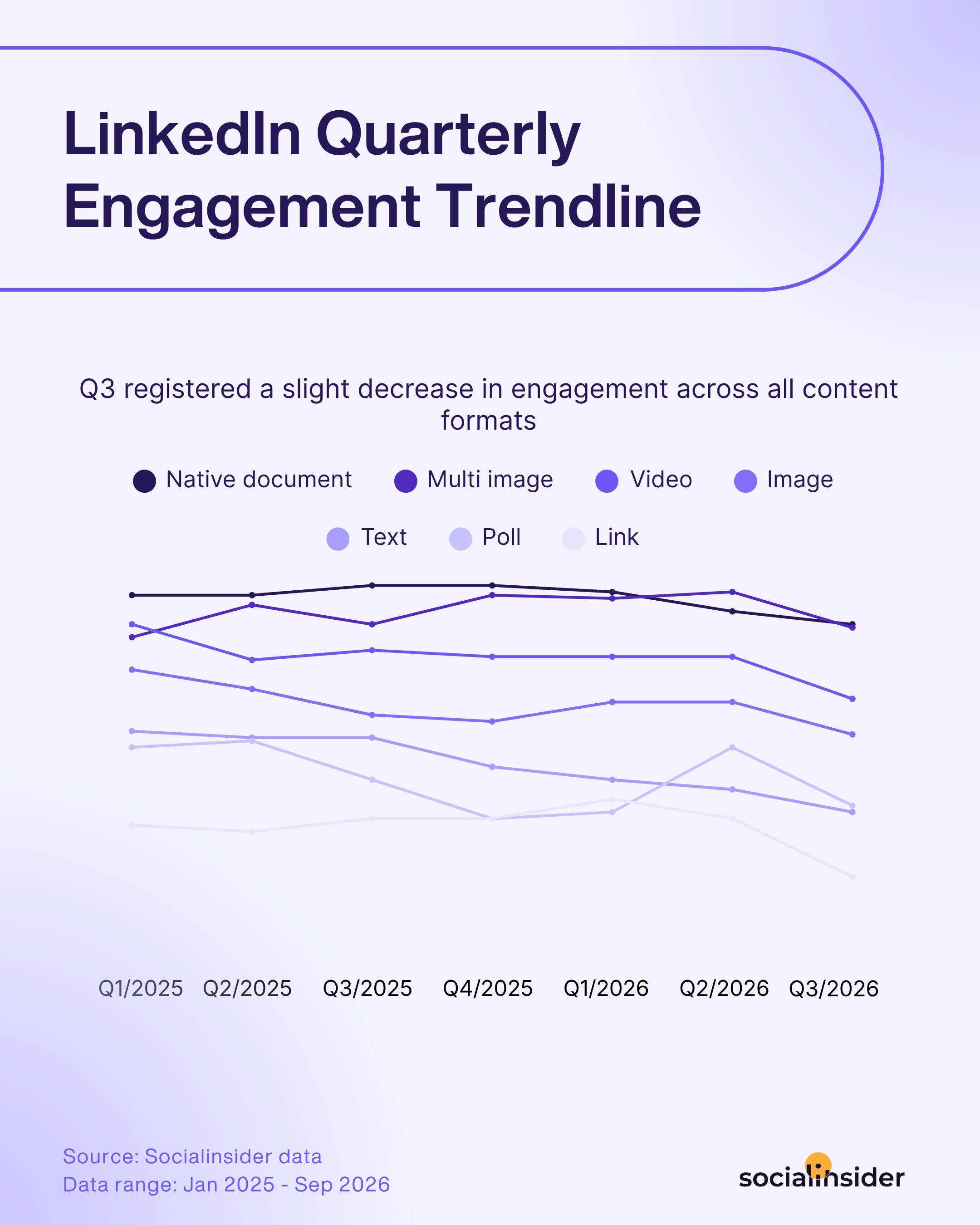
Insgesamt blieb das Engagement auf LinkedIn im ersten Halbjahr 2026 größtenteils stabil.
Betrachtet man die Daten für Q2 2026, blieb die Engagement-Landschaft auf LinkedIn insgesamt relativ stabil. Bei den meisten Content-Formaten gab es im Vergleich zu den vorherigen Quartalen nur geringfügige Schwankungen.
Seit geraumer Zeit übertreffen native Dokumente und Multi-Image-Posts auf LinkedIn konstant jedes andere Content-Format. Das zeigt, dass LinkedIn-Nutzer am stärksten mit Content interagieren, der eine Geschichte erzählt oder Mehrwert auf verständlichere und interaktivere Weise vermittelt.
Ob informative Karussells, Schritt-für-Schritt-Frameworks, Branchen-Insights oder persönliche Erfahrungen auf einzelnen Slides – Nutzer interagieren offenbar deutlich lieber mit Content, der sie dazu bringt, sich Zeit zu nehmen, durchzuwischen und sich tatsächlich mit einem Post zu beschäftigen.
Das zeigen die Daten zur Performance der einzelnen Content-Typen:
- Multi-Image-Posts: Dieses Content-Format verzeichnete im Q3 2026 einen leichten Rückgang beim Engagement, von 6,60 % im Q2 auf 6,40 %.
- Native Dokumente: Das ansprechendste Format der Plattform erzielte im Q3 2026 eine durchschnittliche engagement rate von 6,40 %.
- Video-Posts: Nach einem deutlichen Rückgang der Engagement-Rate liegt der Durchschnitt für Video-Content jetzt bei 5.25%.
- Bild-Posts: Bilder gehörten in Q3 2026 zu den Content-Formaten mit dem stärksten Engagement-Rückgang. Ihr Durchschnitt liegt jetzt bei 4.70%.
- Text-Posts: Auch bei Text-Posts ging das Engagement zurück. Dadurch lag ihr Durchschnitt in Q3 2026 bei 3.50%.
- Umfrage-Posts: Der allgemeine Engagement-Rückgang auf LinkedIn machte sich bei Umfragen am stärksten bemerkbar. Ihr Wert sank von 4.50% in Q2 2026 auf 3.60% in Q3.
- Link-Posts: Dieses Format schneidet auf LinkedIn weiterhin am schlechtesten ab und erzielt eine durchschnittliche Engagement-Rate von 2,50%. Damit liegt es auch unter dem Q2-Wert von 3,40%.
Benchmarks für LinkedIn Engagement Rate by Impressions
Wenn ich bei meiner Arbeit in der Marketingwelt eines festgestellt habe, dann, dass nichts lange unverändert bleibt. Die Plattformen, die wir nutzen (und sogar die Art, wie Menschen mit Content interagieren), entwickeln sich ständig weiter.
Von Zeit zu Zeit überraschen uns die sozialen Plattformen mit neuen Mustern und bewährten Vorgehensweisen. Dadurch verändern sich oft unsere Vorstellungen davon, „was“ beim Engagement funktioniert.
Die LinkedIn-Engagement-Benchmarks dieses Jahres zeigen einen Trend besonders deutlich: Zielgruppen wünschen sich mehr denn je Substanz und Tiefe. Aber sehen wir uns die Trends nacheinander an.
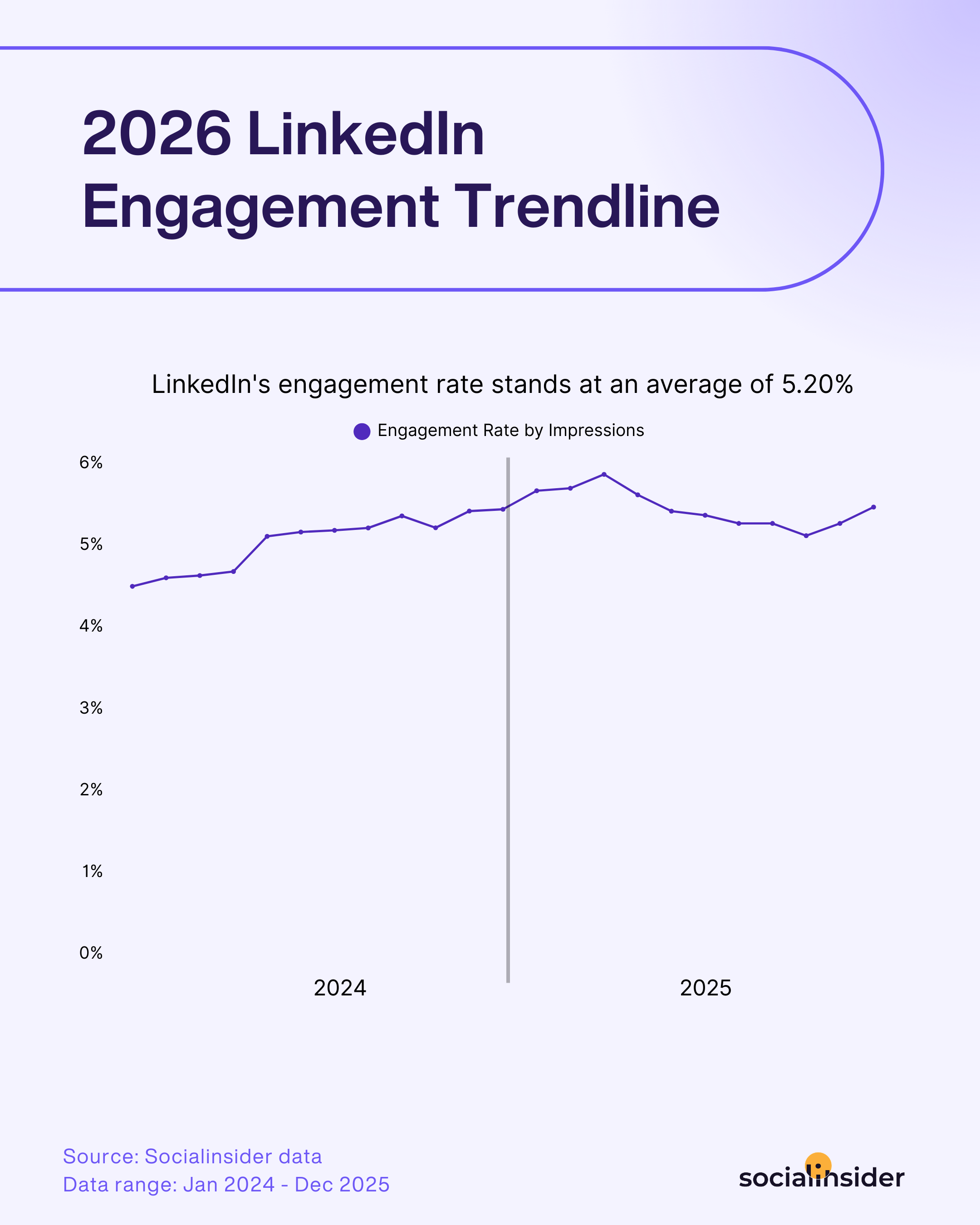
Um den Rahmen abzustecken: Die allgemeine LinkedIn-Engagement-Rate liegt derzeit im Durchschnitt bei 5.20 %. So erhalten wir einen hilfreichen Vergleichswert, während wir untersuchen, welche Formate und Strategien den Durchschnitt übertreffen.
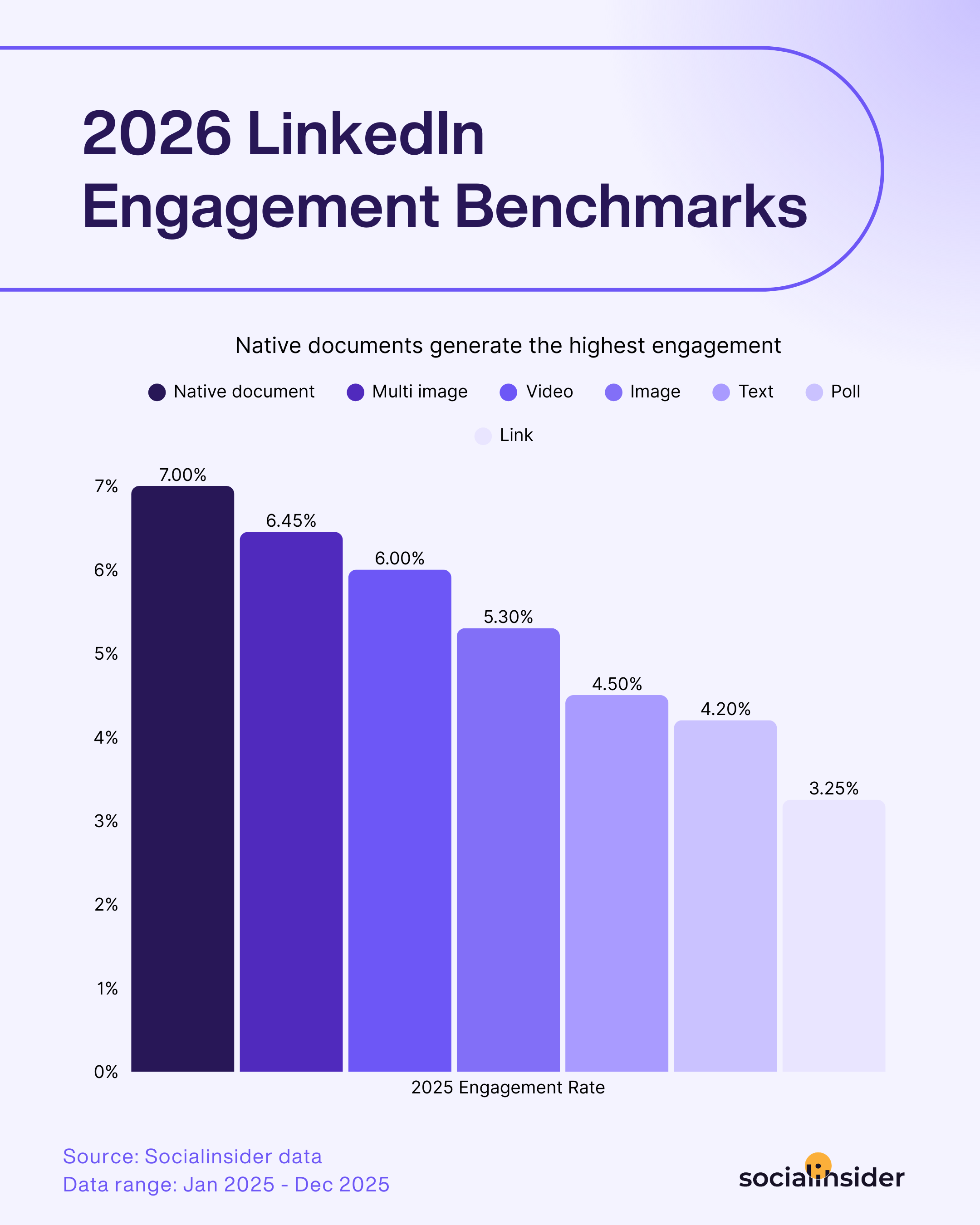
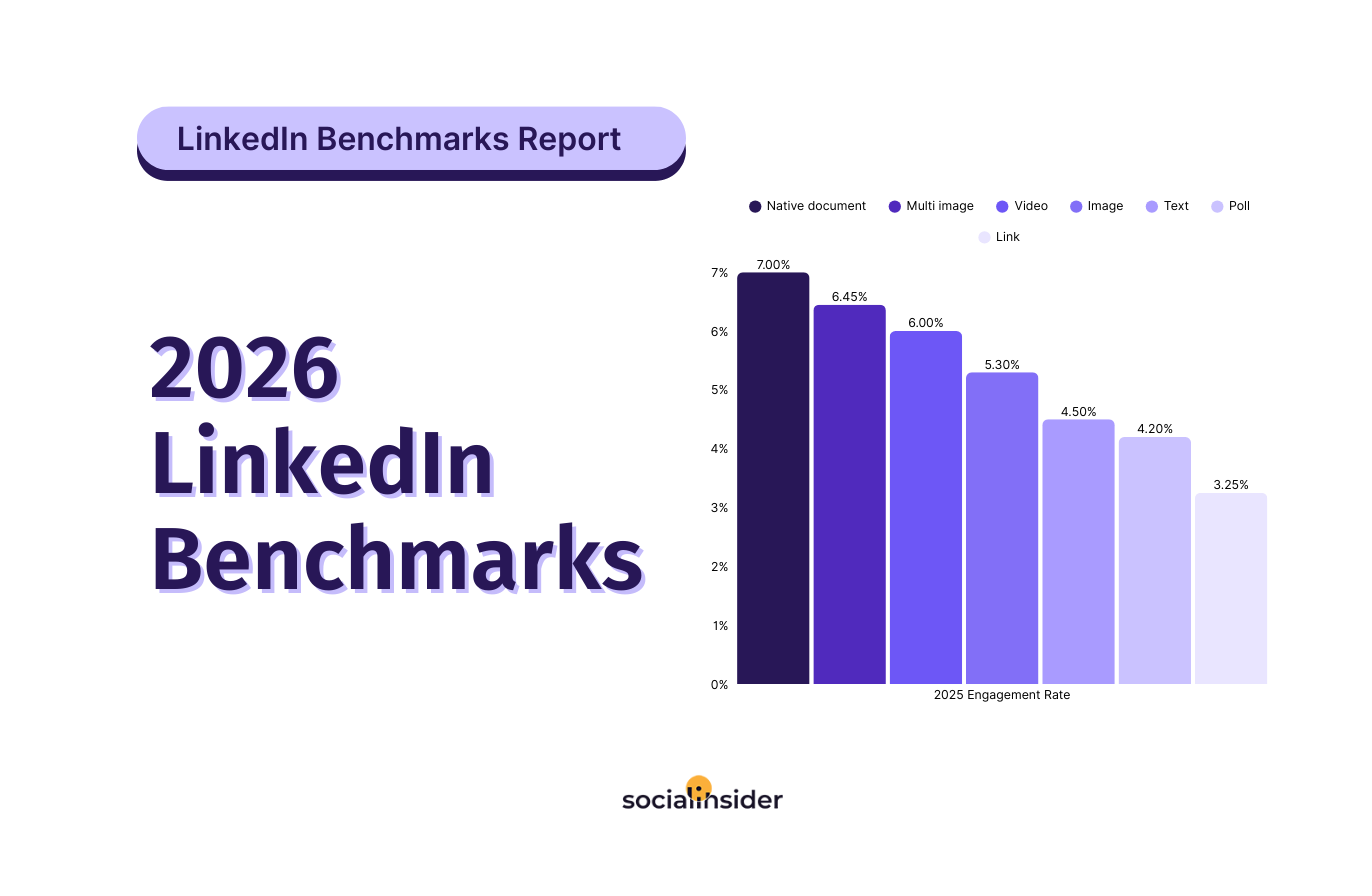
Beim Blick auf das leistungsstärkste Content-Format auf LinkedIn haben sich native Dokumente an die Spitze gesetzt. Sie erzielen eine durchschnittliche LinkedIn Engagement-Rate von 7.00% und eine Steigerung der Performance um 14% im Jahresvergleich.
Dokument-Posts funktionieren gut, weil sie auf einer Plattform, auf der Menschen aktiv lernen möchten, wie „kostenloser Mehrwert“ wirken. LinkedIn ist eine der wenigen Social-Media-Plattformen, auf denen Zielgruppen wirklich nach praktischen Erkenntnissen suchen (Berichte, Frameworks, Vorlagen usw.) Dokumente funktionieren besonders gut, weil sie heruntergeladen werden können. Menschen können sie speichern und später tatsächlich verwenden (Vorlagen, Checklisten, Frameworks). Außerdem sind sie sehr UX-freundlich. Das Karussell-Format lässt sich leicht überfliegen. — Julia Holmqvist, Social Media Manager, Semrush
Was ist also die wichtigste Erkenntnis? Nutzer belohnen Marken und Fachleute, die sich die Zeit nehmen, eigene Ressourcen, Forschungsergebnisse und Leitfäden zu teilen.
Außerdem finde ich besonders interessant, dass die durchschnittliche Engagement-Rate auf LinkedIn auch bei anderen Content-Formaten steigt. Videos, Bilder und sogar einfache Text-Posts lösen mehr Reaktionen aus – um 7 %, 9 % bzw. 12 %.
Diese Zunahme des Engagements auf LinkedIn liegt daran, dass sich die Plattform kontinuierlich von einem rein professionellen Netzwerk zu einem umfassenderen Content-Ökosystem entwickelt hat. Hier lernen, diskutieren und bauen Menschen aktiv ihre persönlichen Marken auf. Gleichzeitig nutzen immer mehr Creator und Marken LinkedIn als primären Publishing-Kanal. Sie investieren in natives Storytelling, Videos und Newsletter. Das hält Nutzer auf der Plattform und fördert häufigere Interaktionen – Dylan Patel, Leiter für Social Media Management, Born Social
Strategische Maßnahmen, um das Engagement auf LinkedIn zu steigern
- Richte deine Strategie stärker auf native Dokumente aus: Teile zeitnahe Updates, Kommentare zu Branchennachrichten oder neue Best Practices. So regst du Diskussionen an, zeigst deine Vordenkerrolle und motivierst mehr Nutzer, mit deinem Content zu interagieren.
- Hebe echte Ergebnisse oder Erfolgsgeschichten hervor: Teile Testimonials, Fallstudien oder Projektergebnisse, um Wirkung zu zeigen, Vertrauen aufzubauen und andere zum Kommentieren oder Teilen ihrer eigenen Erfahrungen einzuladen.
- Nutze deine social media analytics für langfristigen Erfolg: Beobachte, welche Formate bei deiner Zielgruppe beim Engagement zulegen, und passe deinen Content-Kalender entsprechend an, um das größte Interesse zu nutzen, bevor sich die Trends wieder ändern.
Ein bestimmter Content, der meiner Erfahrung nach zu höherem Engagement auf LinkedIn beiträgt, sind rohe, unbearbeitete Posts mit Behind-the-Scenes-Charakter. Wir posten meist 3- bis 6-minütige Clips im Querformat, in denen wir einen Denkprozess oder ein Framework hinter unserer Arbeitsweise erläutern. Ich glaube, dass die Menschen nach einfachen & hilfreichen Informationen suchen. Wenn wir diese klar und ohne typische Thought-Leadership-Posts bereitstellen, erzielen wir ein hervorragendes Engagement. — Ian Evans, Social Media Manager, tl;dv
Durchschnittliche Likes pro Post auf LinkedIn
Ein Trend, der in den diesjährigen Socialinsider LinkedIn-Daten deutlich hervorsticht, ist, dass es keinen universellen Ansatz gibt, um bedeutendes Engagement zu fördern. Stattdessen bleibt die Vielfalt der Content-Formate entscheidend, um deine Performance über eine Vielzahl verschiedener Interaktionstypen hinweg zu maximieren.
Marken sollten keine Scheu davor haben, Content konsequent in mehreren Formaten wiederzuverwenden. Das bedeutet, dass du deine beliebten Videos, Blogs und alle anderen Ideen für social media nehmen und sie im Carousel-Dokumentformat teilen kannst. Natürlich solltest du nicht alles auf eine Karte setzen. Behalte deshalb weiterhin Videos, reine Text-Posts und andere kreative Formate in deinem Content-Mix. Außerdem solltest du in die Erstellung von Vorlagen für das Dokument-/Carousel-Format investieren, um den Erstellungsprozess zu optimieren. — Casey Smith, Senior Social Media Manager, Slack
Und wenn wir etwas genauer hinsehen? Das haben die Zahlen gezeigt.
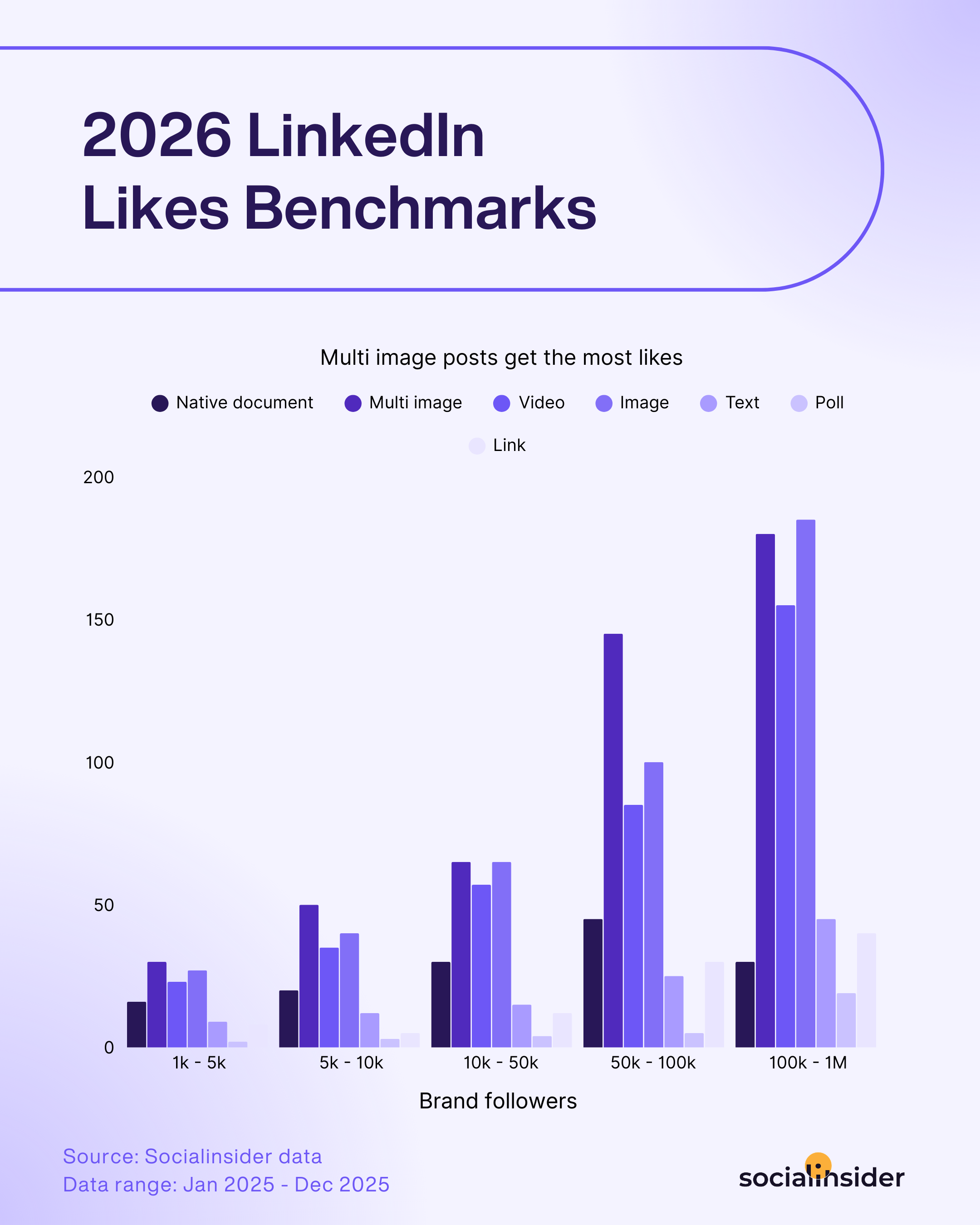
Von wachsenden Markenseiten bis hin zu langjährigen Communities ist eines klar: Wenn du mehr Likes erzielen möchtest, sind Mehrbild-Posts deine beste Wahl. Je mehr LinkedIn-Follower du hast, desto wirkungsvoller wird dieses Format. Damit ist es die erste Wahl, um Interactions zu maximieren.
Ich denke, dass Mehrbild-Posts oder Carousels in einer Zeit, die von schnelllebigem Video-Content dominiert wird, Zielgruppen ansprechen, weil sie einen Teil des Gehirns befriedigen, der ständig nach MEHR sucht. Menschen wollen Storytelling, Kontext und zusätzliche Informationsebenen – nicht nur ein einzelnes Bild oder einen einzelnen Insight. Carousels ermöglichen es, Content auf eine interaktive und lohnende Weise zu vermitteln. Nutzer können durch die Inhalte wischen und in ihrem eigenen Tempo neue Details, Visuals oder Botschaften entdecken. Dieses Gefühl der Entdeckung hält sie länger bei der Stange als ein einzelner Post und regt durch Likes, Saves und Comments zu mehr Interactions an. — Ivy Mullins, Social Media Manager, Born Social
Strategische Maßnahmen, um deine Likes auf LinkedIn zu steigern
- Setze auf starke Einstiegsvisuals und Hooks: Beginne deine Posts mit auffälligen Bildern oder überzeugenden Überschriften. So gewinnst du Aufmerksamkeit und motivierst Nutzer, mit dem Scrollen aufzuhören und deine Inhalte mit einem Like zu versehen.
- Personalisiere deine Botschaften: Verwende maßgeschneiderte Sprache oder Geschichten, die direkt auf die Herausforderungen und Interessen deiner Zielgruppe eingehen. So wirken deine Posts persönlicher und fördern mehr Interaktionen.
- Beliebten Content wiederverwenden: Identifiziere besonders erfolgreiche Posts aus der Vergangenheit, aktualisiere oder remixe sie passend zum aktuellen Kontext und teile sie in neuen Formaten erneut, um frisches Engagement zu erzielen, ohne bei null anzufangen.
Memes! Wer sagt, dass sie nur für Instagram sind? Ich sehe, dass immer mehr Menschen (ebenso wie Marken) auf LinkedIn Memes teilen, die genau auf ihre Branche zugeschnitten sind. Menschen möchten sich in ihrem Bereich „gesehen“ fühlen, und Memes sind eine großartige Möglichkeit, einen Bezug herzustellen. — Eileen Mary O’Connell, Senior Social Media Manager, Paramount
LinkedIns durchschnittliche Impressions pro Post
Wir haben also über Engagement gesprochen – eine zentrale Kennzahl zur Bewertung der LinkedIn-Performance. Sehen wir uns nun die andere wichtige Hälfte an: Impressions.
Metriken wie die durchschnittlichen Impressions auf LinkedIn zeigen, wie effektiv Content durchdringt und Nutzer erreicht – ein zuverlässiger Gradmesser für die Sichtbarkeit der Marke und das Wachstum der Zielgruppe.
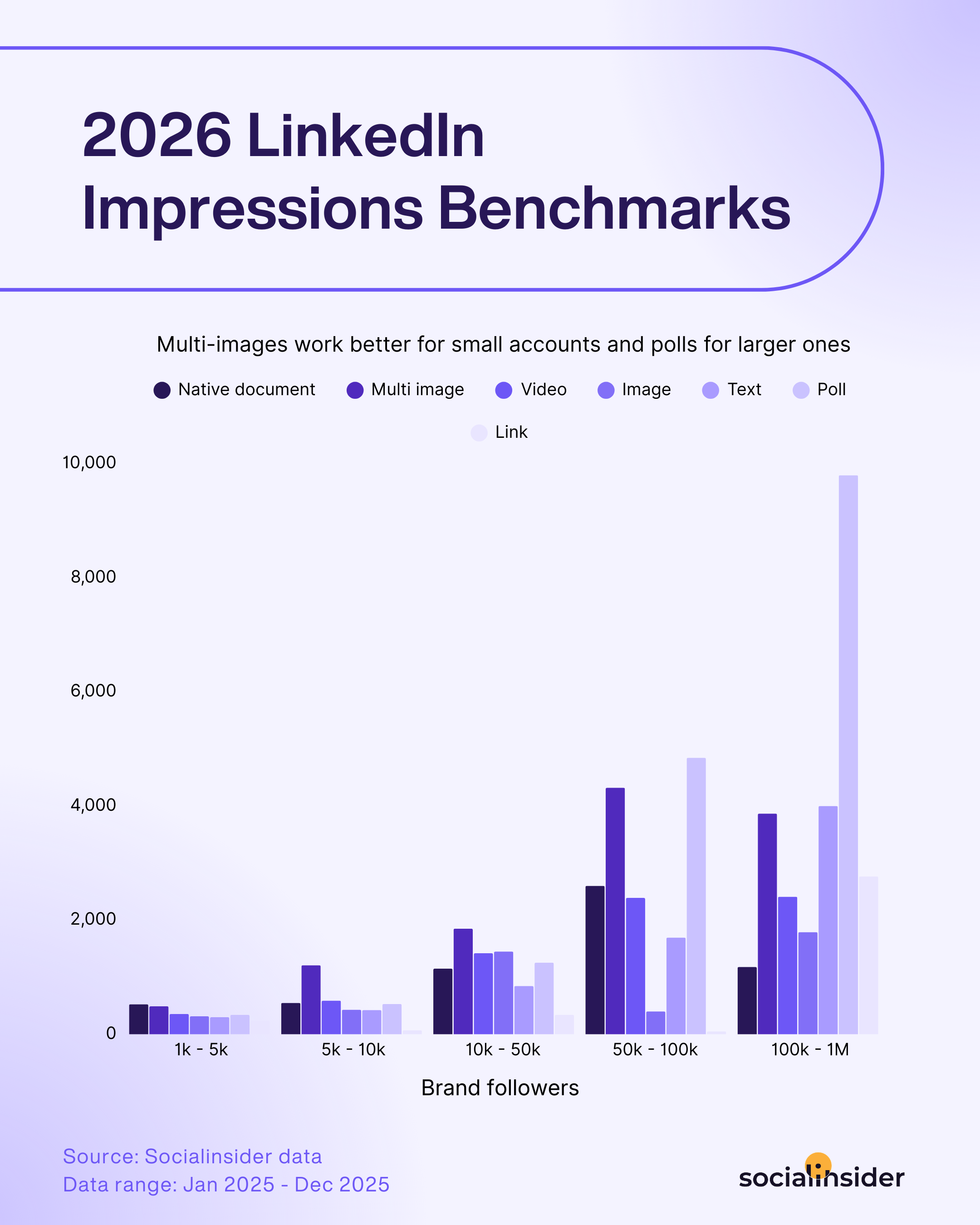
Die diesjährigen Benchmarks machen deutlich, dass Content-Format und Seitengröße Hand in Hand gehen. Seiten mit bis zu 50K Followers erzielen mit Multi-Image-Posts durchgehend die höchste Anzahl an LinkedIn Impressions pro Post. Damit ist dieser Post-Typ eine äußerst effektive Option, um die Reichweite in der frühen Wachstumsphase deines Unternehmens zu erweitern.
Beiträge mit mehreren Bildern funktionieren gut, weil sie der Geschichte mehr Tiefe verleihen und ganz natürlich Neugier wecken. Wie beim Umblättern in einer Zeitschrift, Zeitung oder einem Buch lädt jeder Slide dazu ein, zu entdecken, was als Nächstes kommt. Auf LinkedIn passt das gut dazu, wie Nutzer die Plattform verwenden – oft zwischen Aufgaben oder in kurzen Pausen. — Denisa Vlăduță, Senior Social Media Manager
Interessanterweise gibt es sobald eine Seite 50K Followers überschreitet, eine bemerkenswerte Veränderung: Umfragen werden zum leistungsstärksten Format, um in großem Umfang Impressions zu generieren. Diese Veränderung zeigt, wie wichtig es ist, Formatstrategien zu überdenken, wenn deine Zielgruppe wächst.
Meiner Erfahrung nach funktionieren Umfragen am besten, wenn es um eine Frage geht, die der Großteil deiner Zielgruppe beantworten kann. Das heißt, ich möchte keine Umfragen zu einem Nischenthema oder einem Produkt durchführen, das noch keine breite Akzeptanz findet. Erstelle stattdessen Umfragen, die von organischen Gesprächen über deine Marke inspiriert sind, auch wenn diese noch so klein waren. Nutze sie außerdem für Feedback von deiner Zielgruppe und frage, welche Inhalte sie sich von dir wünscht. Nutze diese Erkenntnisse, um deinen kommenden Content zu gestalten. — Casey Smith, Senior Social Media Manager, Slack
Strategische Taktiken zur Steigerung der LinkedIn-Impressions
- Nutze verschiedene Content-Formate für mehr reach: Wechsle zwischen Karussells, Umfragen und Videos, da die Daten zeigen, dass bestimmte Formate bei unterschiedlichen Zielgruppengrößen am besten funktionieren – das richtige Format hilft, deine Impressions zu steigern.
- Markiere relevante Personen und Unternehmen: Erwähne Branchenpartner, Mitarbeitende und Kooperationspartner passend in deinen Posts, um die Auffindbarkeit zu verbessern und Shares aus größeren Netzwerken zu fördern.
- Förderе das Engagement deiner Mitarbeitenden: Aktiviere dein Team, damit es mit deinen Posts interagiert und sie verstärkt – Reaktionen und Shares deiner Mitarbeitenden können die Reichweite eines Posts deutlich über deine direkten Followers hinaus erhöhen.
Der Aufstieg gründergeführter Markenführung ermutigt Marken, die persönlichen Netzwerke ihrer Mitarbeitenden als wichtige Bestandteile ihres Content-Ökosystems zu nutzen. Da Führungskräfte zunehmend offen über die Realität beim Aufbau von Karrieren und Unternehmen sprechen, ist die Plattform ganz natürlich zu einem Ort geworden, an dem sich Fachkräfte aus verschiedensten Branchen wohl dabei fühlen, ihre eigenen Meilensteine und Erfahrungen zu teilen. Ich gehe davon aus, dass wir weiterhin mehr Stimmen auf LinkedIn sehen werden, die Perspektiven teilen, die bei einem Publikum Anklang finden, das sich gerne beruflich weiterentwickeln möchte. — Eunice Cancino, Social-Media- und Content-Strategin
LinkedIns durchschnittliche Views pro Video
Nachdem wir uns Engagement und Impressions angesehen haben, richten wir unsere Aufmerksamkeit nun auf ein Format, das auf Social Media schon lange als besonders leistungsstark gilt: Video-Content. Zwar ziehen die größten LinkedIn-Seiten weiterhin die höchste Anzahl an Video Views an, doch die wichtigste Erkenntnis aus den diesjährigen Daten ist eine bemerkenswerte Veränderung: Die Views sind bei Seitengrößen jeder Art zurückgegangen, mit einem durchschnittlichen Rückgang von 36 % im Jahresvergleich.
LinkedIn ist einfach keine Video-first-Plattform. Niemand öffnet LinkedIn, um endlos zu scrollen, wie auf TikTok oder Instagram. Es gibt keine echte Discovery-Engine und kein FYP, das Videos weit über dein Netzwerk hinaus verbreitet. Deshalb funktionieren virale Mechanismen hier ganz anders. LinkedIn wurde für den professionellen Wissensaustausch entwickelt: Text-Posts, insights, Dokumente und Frameworks. Man merkt, dass die Plattform versucht, mehr Videos einzubinden. Doch das Produkt und das Nutzerverhalten sind dafür noch nicht wirklich ausgelegt. — Julia Holmqvist, Social Media Manager, Semrush
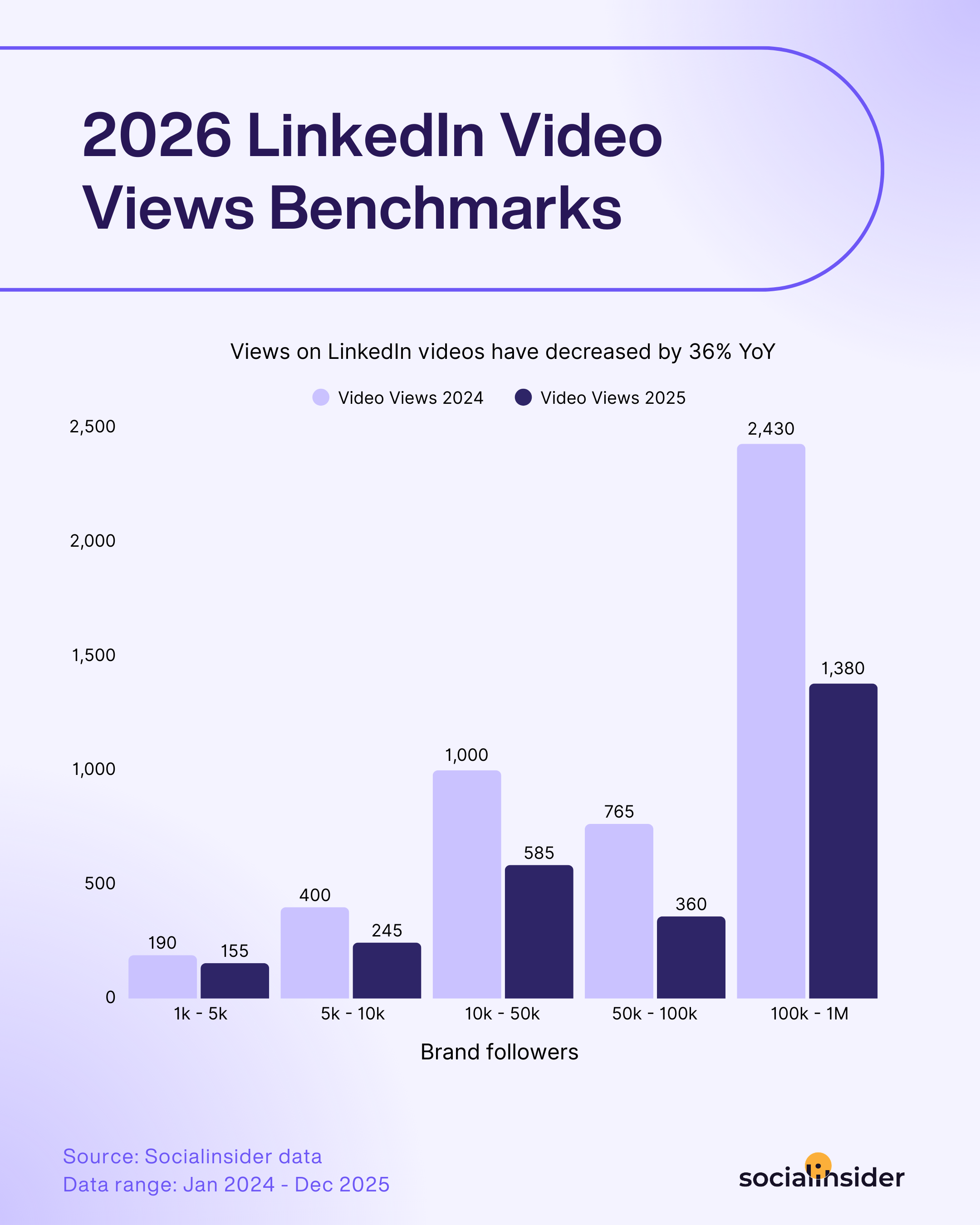
Was treibt diesen Trend an? Der zunehmende Wettbewerb und veränderte Nutzergewohnheiten wirken sich wahrscheinlich stark darauf aus, wie Videoinhalte performen – unabhängig von der Größe des Publikums.
In der heutigen Landschaft sind kontinuierliches Experimentieren und neue kreative Ansätze wichtiger denn je. Wenn du deine content pillars diversifizierst und genau beobachtest, wie sich die Interessen deines Publikums verändern, bleibt deine Strategie resilient.
Strategische Maßnahmen, um deine LinkedIn Video Views zu steigern
- Kombiniere dein Video mit einer aussagekräftigen und handlungsorientierten Zusammenfassung des Posts. Ein überzeugender Begleittext kann die Neugier steigern und Nutzer dazu bewegen, die Wiedergabe zu starten.
- Füge Untertitel und Texteinblendungen hinzu: Viele Nutzer sehen sich Videos ohne Ton an. Untertitel und wichtige Botschaften machen deinen Content zugänglicher und ansprechender und steigern die Abschlussraten.
- Nutze Videos, um aktuelle oder wiederkehrende Fragen zu beantworten: Greife häufige Herausforderungen der Branche oder aktuelle Themen in Videoform auf und positioniere deine Marke als reaktionsschnell und kompetent.
Ich denke, dass es zu einem Rückgang kommen könnte, weil viele Creator genau dieselben Videoformate verwenden wie auf anderen Plattformen. Obwohl Videos insgesamt gut funktionieren, erwartet das LinkedIn-Publikum wahrscheinlich etwas anderes.
Viele Inhalte folgen derselben Struktur: Hook, Erkenntnis oder Mehrwert und Call-to-Action. Diese Formel kann zwar funktionieren, ist aber zunehmend übersättigt. Da viele Menschen auf LinkedIn professionellere oder eigenständigere Inhalte erwarten, kann es das Engagement verringern, wenn sie dieselben Muster sehen wie anderswo. — Fernando J, Senior Content-Stratege
Benchmarks für die LinkedIn-Posting-Frequenz
Wenn ich mir die Benchmarks zur Posting-Frequenz auf LinkedIn ansehe, wird ein weiterer Aspekt der sich wandelnden Muster der Plattform deutlich. Im Jahr 2025 haben Marken bewusst begonnen, häufiger zu posten – besonders bei visuell ausgerichteten Formaten.
Die Zahlen erzählen eine interessante Geschichte: Bild-Posts und Videos verzeichnen den größten Anstieg. Die durchschnittliche Anzahl monatlicher Bild-Posts ist von 5 auf 7 gestiegen, während sich die Video-Frequenz von 2 auf 4 Posts pro Monat verdoppelt hat. Auch native Dokumente sind in den Feeds etwas präsenter geworden und erscheinen dort im Durchschnitt doppelt so häufig wie im Vorjahr.
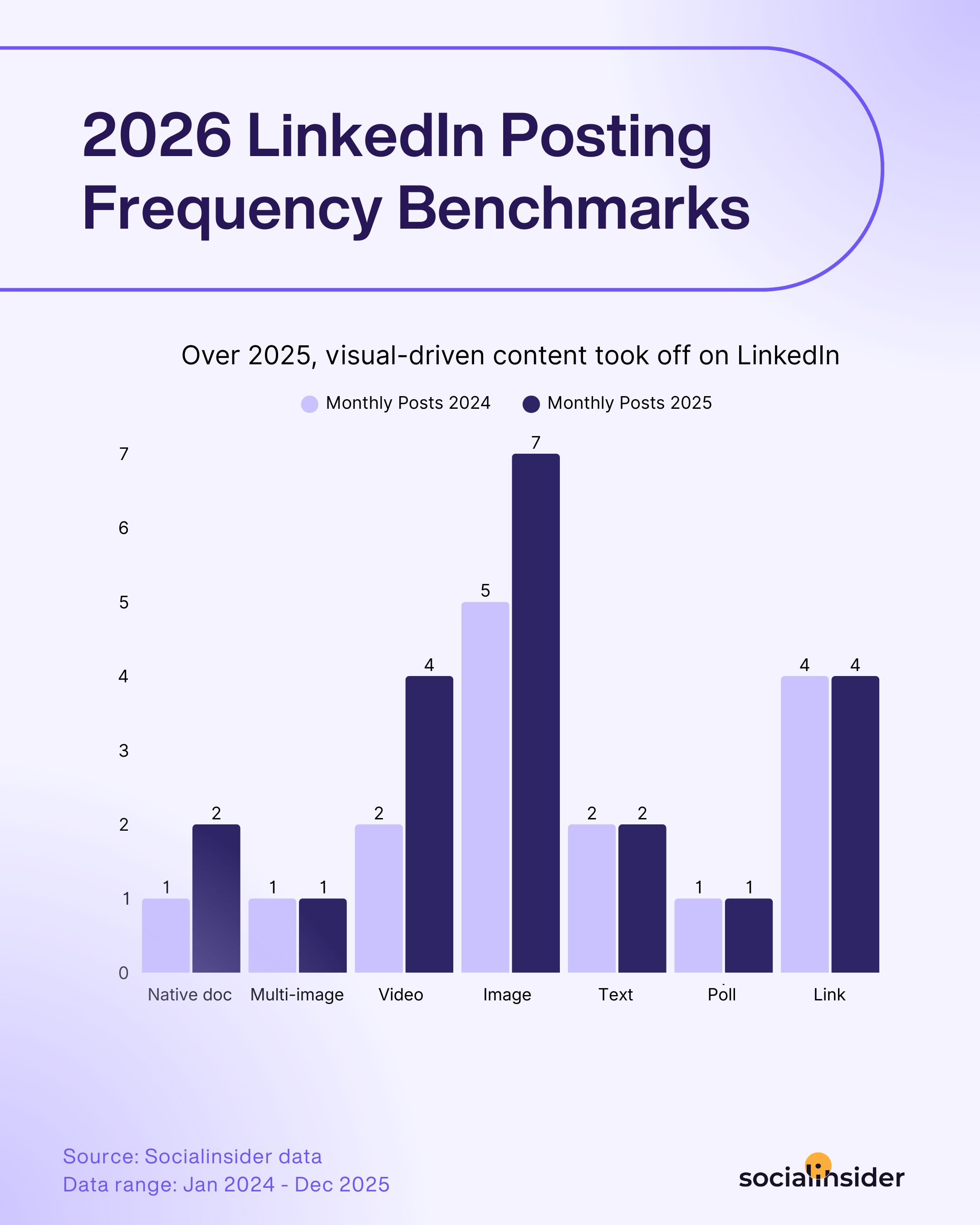
Wenn du mich fragst, zeigt dieser Trend einen umfassenderen Wandel: Marken investieren mehr in Formate, die schnell Aufmerksamkeit erregen und Nutzer zur Interaktion anregen.
Strategische Taktiken für eine erfolgreiche LinkedIn content strategy
- Content im Voraus gebündelt erstellen: Plane jeden Monat bestimmte Tage ein, um Posts zu erstellen und zu planen. So kannst du eine konsistente, höhere Frequenz leichter beibehalten, ohne Stress in letzter Minute.
- Dokumentiere deine Prozesse und Vorlagen: Erstelle Vorlagen für verschiedene Post-Typen (Ankündigungen, Tipps, Kundengeschichten) und dokumentiere bewährte Vorgehensweisen. So kann jeder in deinem Team schnell Content erstellen.
- Führe eine „Ideenbank“: Halte ein zentrales, gemeinsam genutztes Dokument oder digitales Board bereit, in dem jeder mögliche Post-Ideen oder Inspirationen festhalten kann. So findest du sie schnell wieder und verringerst den Druck beim Brainstorming.
Benchmarks für das LinkedIn-Audience-Wachstum
Wachstum wird heutzutage auf allen social media Plattformen schwieriger, und LinkedIn bildet keine Ausnahme. Im Jahr 2025 verlangsamten sich die durchschnittlichen LinkedIn-Follower-Wachstumsraten bei Seiten jeder Größe merklich. Dieser Trend zeigt sich besonders deutlich bei großen Accounts.
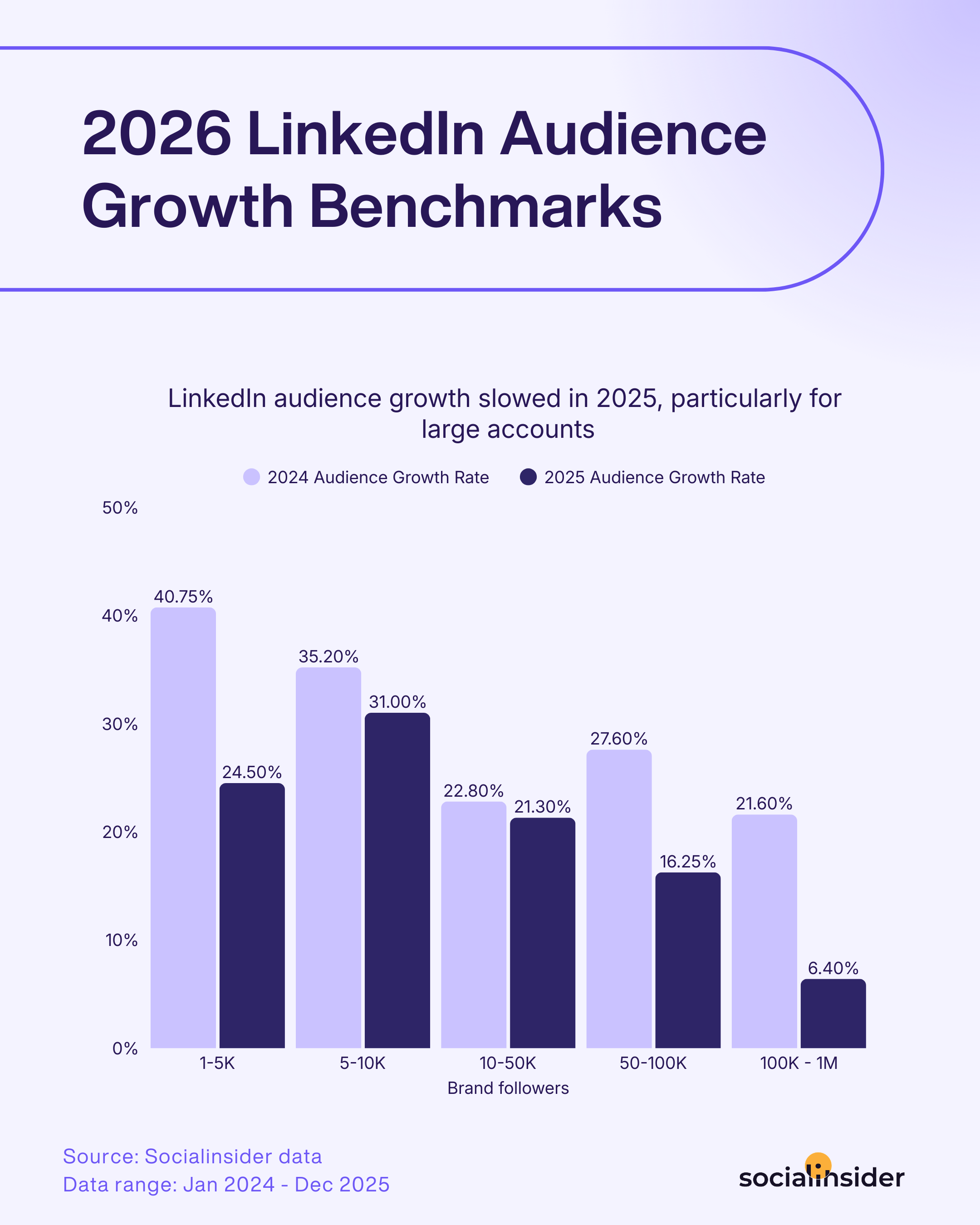
Während kleinere Seiten mit 1–5K Followers noch eine beachtliche durchschnittliche Wachstumsrate von 24.5% verzeichneten, verlangsamte sich das Wachstum bei Accounts mit 100K bis 1M Followers drastisch auf nur 6.4%.
Diese Verlangsamung fällt bei größeren Communities besonders deutlich aus. Sie zeigt, dass der Ausbau einer bereits etablierten Zielgruppe heute mehr Aufwand und strategisches Denken erfordert als je zuvor.
Die Marken, die weiterhin erfolgreich sind und eine gesunde LinkedIn-Wachstumsrate halten, passen sich kontinuierlich an, analysieren ihre Ergebnisse und liefern Content, der eng auf die Interessen ihrer Zielgruppe abgestimmt ist.
Ich führe diese Verlangsamung darauf zurück, dass „Karriere als Content“ auf Mainstream-Social-Media-Kanälen zunehmend zu einem normalen Content-Thema wird. Nutzer integrieren ihre beruflichen Erfolge, Karrieregeschichten und Thought Leadership auf Plattformen, die einst persönlichen Highlights vorbehalten waren. Der Aufstieg von von Mitarbeitenden erstelltem Content hat die Grenzen zwischen akzeptablen und vermeidbaren Beiträgen über den Arbeitsplatz verwischt. Zielgruppen finden und bekommen sogar Jobs über ihre eigenen For You Pages oder Feeds auf Plattformen wie TikTok und Instagram. LinkedIns Monopol als Online-Anlaufstelle für Karrieren schwindet, da Karrieregespräche und -chancen auf anderen großen Social-Media-Plattformen stattfinden und Nutzer nicht mehr auf diese eine Plattform als einzige Quelle angewiesen sind. — Bronte Chandler, Associate Director of Social Media, Born Social
Strategische Taktiken, um deine Zielgruppe auf LinkedIn zu vergrößern
- Starte spezialisierte LinkedIn-Live-Events oder Webinare: Veranstalte exklusive, interaktive Events (Q&As, Interviews, Branchen-Panels) und bewirb sie umfassend – Live-Content zieht neue Zielgruppen an und motiviert Nicht-Follower, dir zu folgen.
- Arbeite mit Branchenkollegen zusammen: Erstelle gemeinsam gebrandete Posts, gemeinsame Kampagnen oder Shoutouts mit passenden Marken oder Fachleuten und macht eure Netzwerke gegenseitig bekannt, um die Followerschaft organisch zu vergrößern.
- Biete fortlaufende Miniserien oder Expertentipps an: Starte eine wöchentliche oder zweiwöchentliche Bildungsserie mit praktischen Tipps. So haben Besucher regelmäßig einen Grund zu folgen und verpassen keine neue Folge.
Methodik
Die Ergebnisse dieser Studie basieren auf der Analyse von 2.450.610 LinkedIn-Posts von Marken mit 1K–1M Followern, die von Januar 2025 bis Dezember 2026 aktiv auf der Plattform waren und verschiedenen Branchen angehören.
Die Stichprobe der Studie bestand aus:
- 633 Posts von 7.016 LinkedIn-Unternehmensseiten mit weniger als 5.000 Followern
- 266,084 Posts von 3,909 LinkedIn-Unternehmensseiten mit 5000 bis 10000 Followers.
- 725,916 Posts von 7,952 LinkedIn-Unternehmensseiten mit 10000 bis 50000 Followers.
- 319,839 Posts von 2,804 LinkedIn-Unternehmensseiten mit 50000 bis 100000 Followers.
- 767,138 Posts von 4,433 LinkedIn-Unternehmensseiten mit 100000 Followers.
Konten mit weniger als 1000 oder mehr als 100000 Followers wurden ausgeschlossen, da sie die Daten meist verzerren. Bei diesen Größen treten am häufigsten Ausreißer auf.
Die Stichprobe für diese Analyse umfasst nur organische Posts.
In dieser Analyse werden folgende Content-Formate berücksichtigt:
- Native-Dokumente: Posts mit einem direkt auf LinkedIn hochgeladenen PDF, ähnlich einem Carousel.
- Mehrere Bilder: das gleichzeitige Hochladen mehrerer Fotos, die ähnlich wie ein Album angezeigt werden.
- Text-Posts: LinkedIn-Posts, die aus einem Textblock bestehen.
- Umfragen: Fragen, über die abgestimmt werden kann.
- Bild: Posts, die das Hochladen eines Bildes enthalten.
- Video: Posts, die das Hochladen eines Videos enthalten.
Die durchschnittliche Engagement-Rate pro Post (nach Impressions) wird berechnet, indem das gesamte Engagement eines Posts (die Summe aus Reactions, Comments und Shares) durch die Anzahl der Impressions geteilt wird, die der Post erzielt hat, und das Ergebnis mit 100 multipliziert wird. Anschließend wird der Durchschnitt über alle Posts je Content-Format und Zeitraum berechnet.
Durchschnittliche Likes pro Post geben an, wie viele Reaktionen ein Post im Durchschnitt erhält.
Die durchschnittlichen Impressions pro Post geben an, wie oft ein Post Nutzern im Durchschnitt auf dem Bildschirm angezeigt wird. Eine Person kann mehrere Impressions generieren.
Die durchschnittlichen Views pro Video geben an, wie viele Views ein Video laut LinkedIn im Durchschnitt erhält.
Die Posting-Frequenz gibt die durchschnittliche Anzahl der Posts an, die eine Seite pro Monat in jedem Content-Format veröffentlicht.
Die durchschnittliche Followers-Wachstumsrate wird berechnet, indem die Anzahl der Followers, die eine Seite im Laufe des Jahres hinzugewonnen hat, durch die Anzahl der Followers geteilt wird, mit denen sie ins Jahr gestartet ist. Das Ergebnis wird anschließend mit 100 multipliziert. Danach wird der Durchschnitt über alle Seiten innerhalb der jeweiligen Größenklasse gebildet.
HINWEIS: Diese Studie enthält Werte aus dem Jahr 2025, die als Werte für 2026 präsentiert werden, da zum Zeitpunkt der Veröffentlichung aufgrund des gerade begonnenen Jahres nicht genügend Daten für eine Analyse vorlagen. Deshalb stellen wir vierteljährliche Updates bereit, sobald das Jahr voranschreitet und mehr Daten verfügbar sind.
Erhalte detaillierte LinkedIn-Performance-Metriken
Führe eine aussagekräftige LinkedIn-Analyse durch und erhalte strategische Ideen zur Content-Optimierung!
Bereit, deine social media strategy mit Echtzeit-insights zu verbessern?
Erhalte strategische insights, analysiere die social media-Performance über alle Kanäle, vergleiche Metriken aus verschiedenen Zeiträumen und lade Berichte in Sekundenschnelle herunter.