منصة أناليتيكس السوشيال ميديا رفيعة المستوى التي تضفي الوضوح على الفوضى
احصل على إنسايتس قيّمة من بيانات أناليتيكس السوشيال ميديا، وحوّلها إلى محتوى جدير بالاهتمام. استفد من القرارات المدعومة بالبيانات عند وضع استراتيجية للسوشيال ميديا.
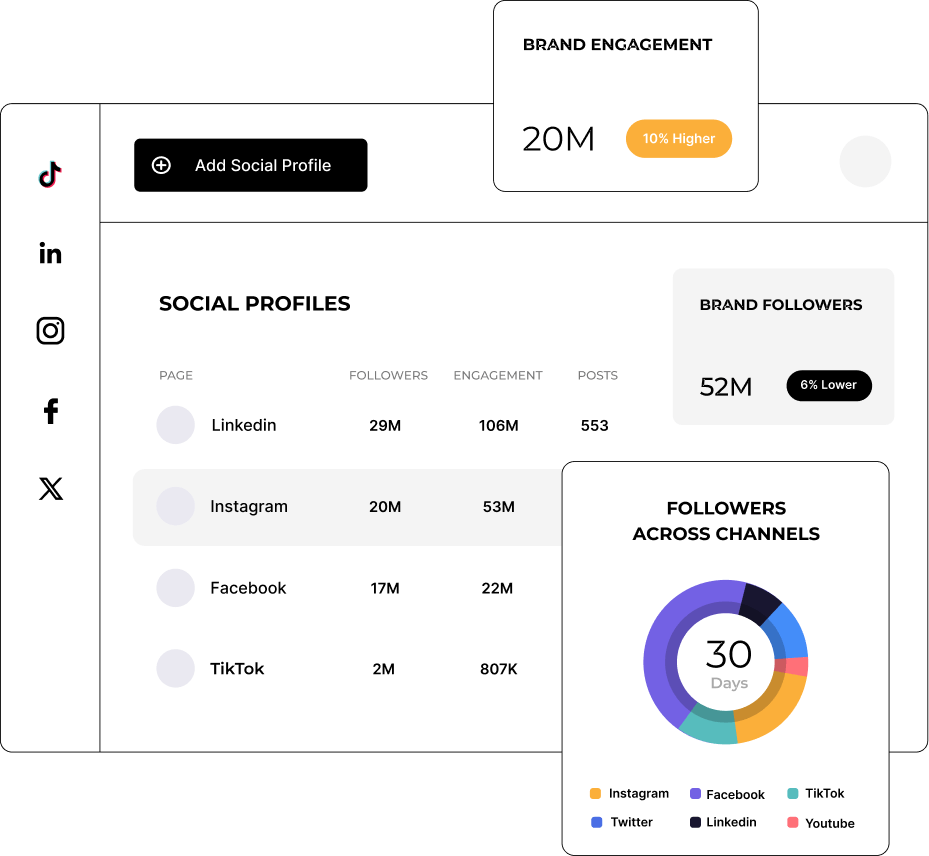






احصل على إنسايتس ذكية من بيانات السوشيال ميديا الخاصة بك
حوّل ميتريكس السوشيال ميديا الخام إلى إنسايتس قابلة للتنفيذ عبر ملخصات تنفيذية مدعومة بالذكاء الاصطناعي، تحلل الأداء على مستويات الحساب والعلامة التجارية والقطاع (استنادًا إلى بيانات البنشمارك الخاصة بالقطاع).
احصل على توصيات استراتيجية مُولدة تلقائيًا من بيانات السوشيال ميديا الخاصة بك لتوسيع تفكيرك الاستراتيجي وتحقيق نمو حقيقي وميزة تنافسية.
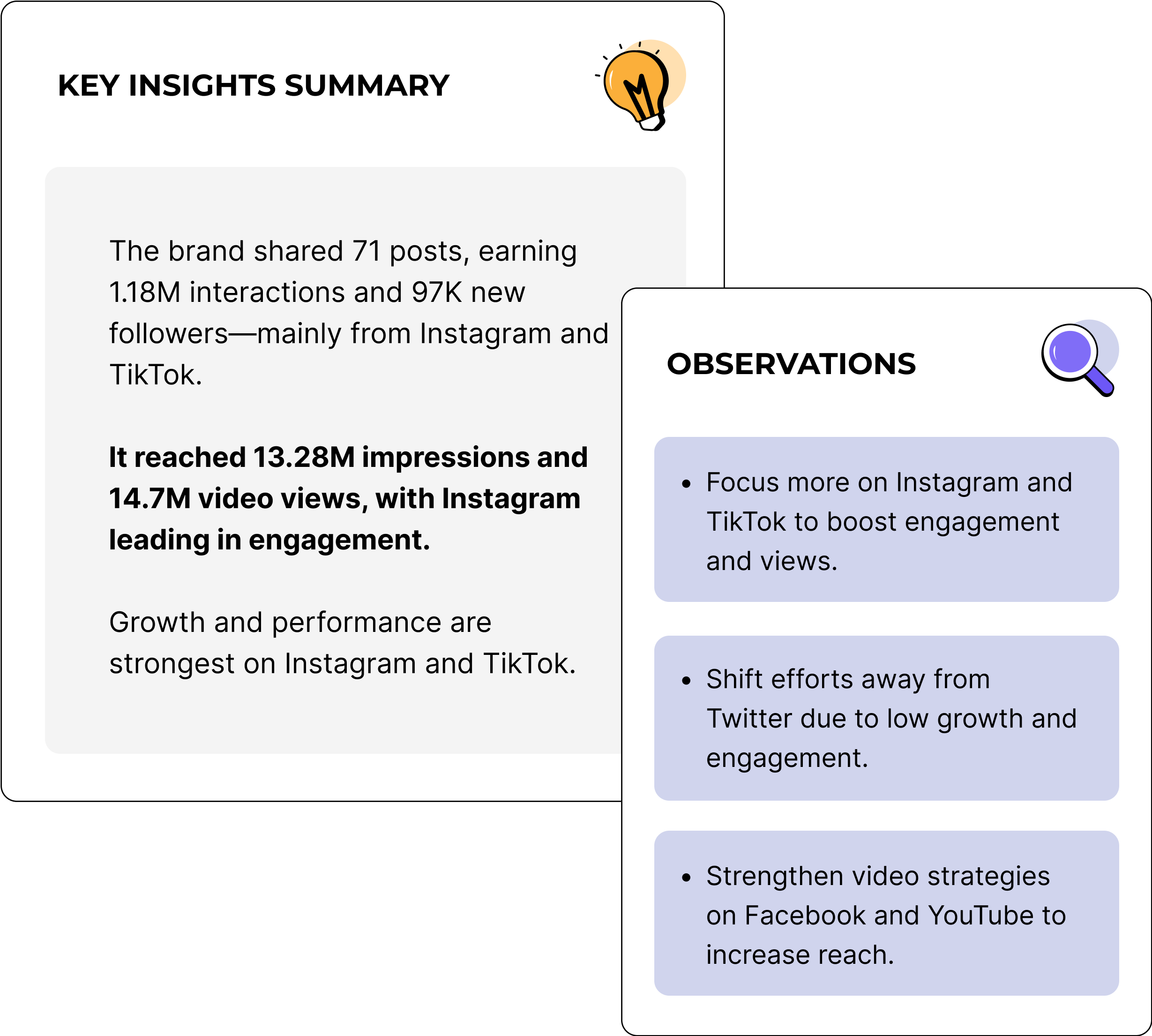
احسب العائد على الاستثمار لاستراتيجية السوشيال ميديا العضوية الخاصة بك
توقف عن التساؤل عن قيمة الكونتنت الأورجانيك لديك. يتم تحويل مقاييس الإنجيجمنت تلقائيًا إلى قيم مالية دقيقة.
فعّل حسابات العائد على الاستثمار تلقائيًا لتكشف القيمة التجارية للمنشورات الأورجانيك لديك. سهّل موافقة الميزانية وأبرز السوشيال ميديا كمصدر إيرادات يمكن قياسه في مؤسستك.
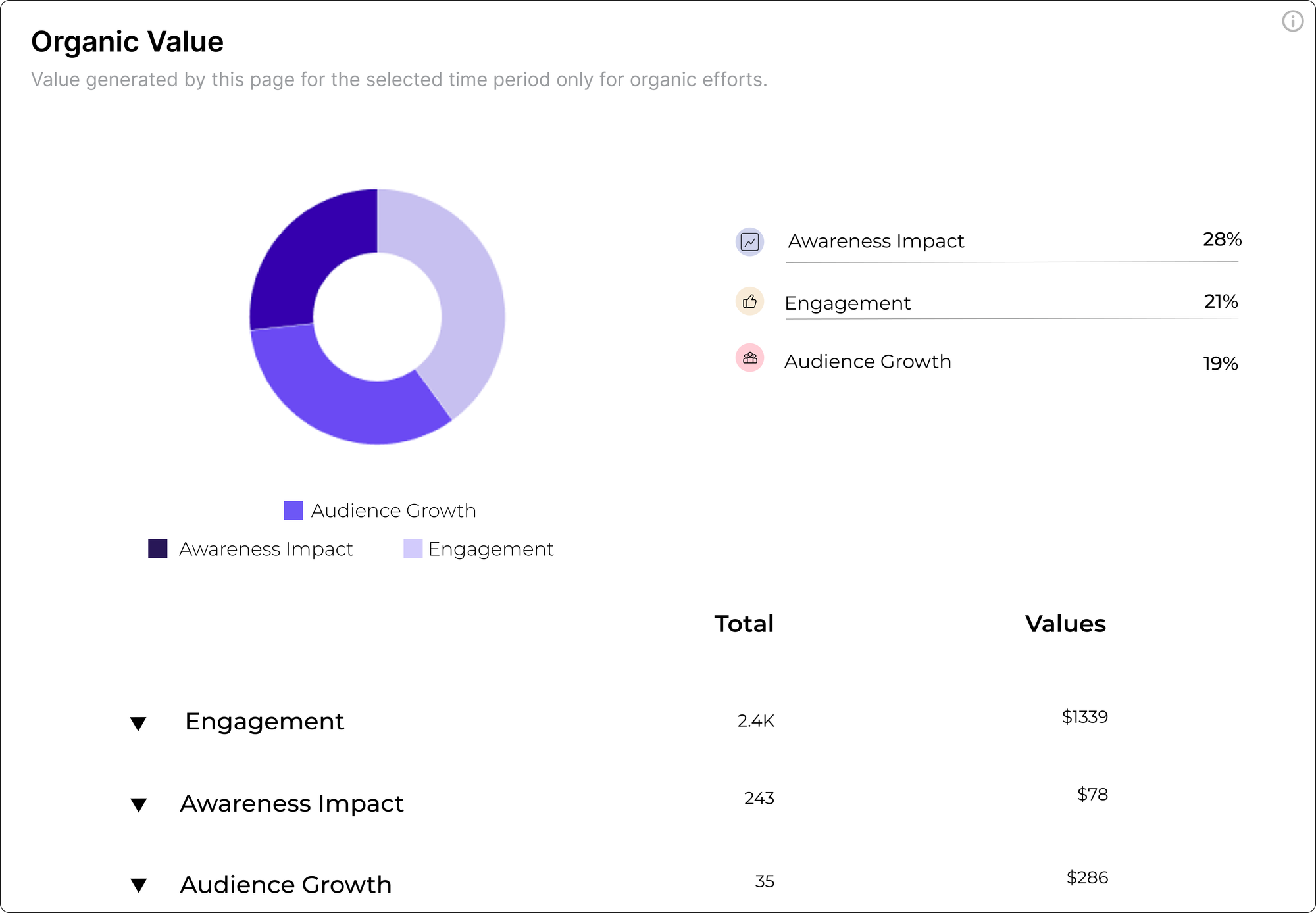
اكتسب إنسايتس حول أداء قنواتك
احصل على تقارير أناليتيكس أساسية للسوشيال ميديا لفهم مدى فعالية استراتيجيتك الحالية في تحقيق أهداف العمل.
استخدم أدوات الأناليتيكس للسوشيال ميديا من Socialinsider لمتابعة تطور أداء علامتك التجارية مع مرور الوقت. راقب المقاييس مثل الإنجيجمنت، الريتش، الإمبريشنز، نمو المتابعين والمزيد لتحديد أفضل قنواتك أداءً.
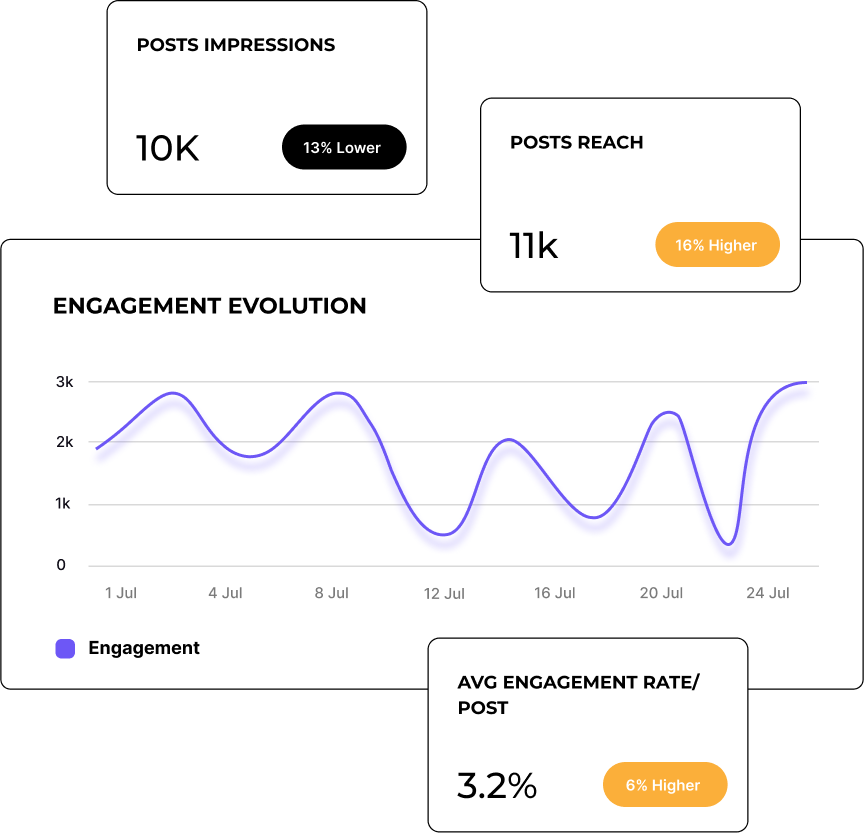
أضف سياقًا تنافسيًا إلى تحليلك
قارن أداءك بأداء منافسيك وفق مؤشرات KPI مختلفة، مثل معدل الإنجيجمنت ونمو المتابعين، وصنّف محتواهم استنادًا إلى الكلمات المفتاحية أو الهاشتاغات.
استخدم أفضل أداة لأناليتيكس منافسي السوشيال ميديا لتحديد الفجوات في استراتيجيتك
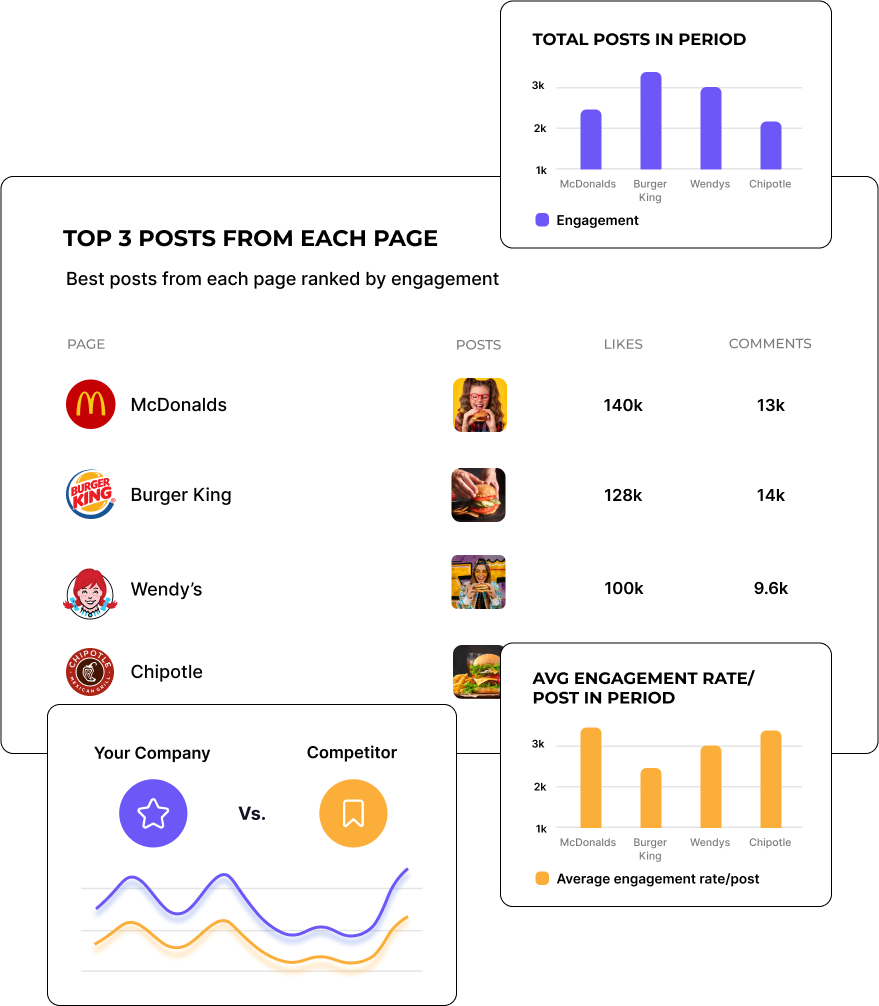
حدد أفضل محتوى أداءً على السوشيال ميديا
حسّن استراتيجية المحتوى بالحصول على تحليلات مفصلة للمنشورات. اكتشف أفضل صيغ المحتوى لكل فئة.
راجع أناليتيكس منشورات السوشيال ميديا لفهم ما ينجح وما لا ينجح، واكتساب الإنسايتس حول كيفية تحسين استراتيجيتك في السوشيال ميديا


"أناليتيكس السوشيال ميديا المبسّط والمباشر للعاملين المشغولين في السوشيال ميديا"

حلل محتوى السوشيال ميديا بحسب الكلمات المفتاحية أو المواضيع
استكشف بعمق داشبورد أناليتيكس السوشيال ميديا لتعرف أداء محتواك عبر عدة شبكات اجتماعية.
استخدم أداة الأناليتيكس الخاصة بـSocialinsider لتصنيف محتوى السوشيال ميديا حسب الكلمات المفتاحية واكتشف أنجح أفكارك الإبداعية.
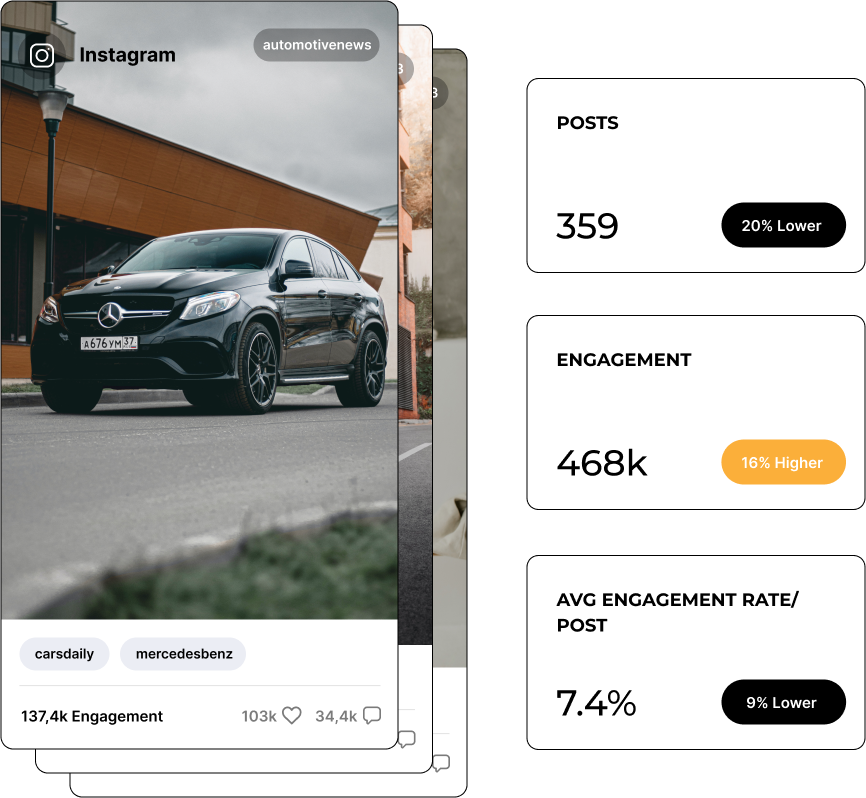
قارن تقارير أناليتيكس السوشيال ميديا للعلامة التجارية
حدد فرص تحسين الاستراتيجية. استخدم أناليتيكس السوشيال ميديا عبر القنوات لاتخاذ قرارات أوبتمايز مبنية على البيانات لتحسين الميزانية ونتائج السوشيال ميديا.
اكتشف أفضل قناة أداءً لديك من خلال إجراء تحليل سوشيال ميديا معمق عبر منصات متعددة.
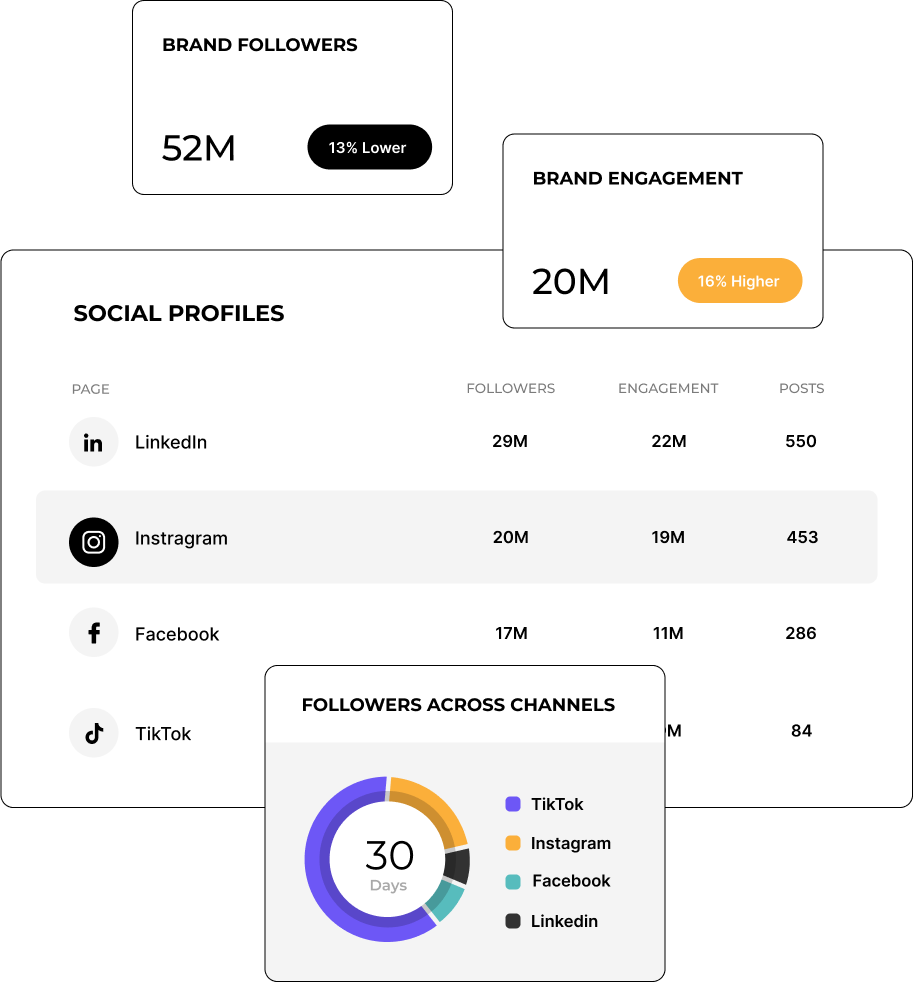
احصل على تقارير الأناليتيكس للسوشيال ميديا
صدّر بيانات السوشيال ميديا وعزّز تقاريرك باستخدام أدوات أناليتيكس السوشيال ميديا الموسّعة، بما في ذلك تحليل حملات السوشيال ميديا والبنشمارك التنافسي.
احصل على تقارير السوشيال ميديا بدون علامة تجارية واعرض KPI الخاصة بك بالطريقة التي تناسبك.
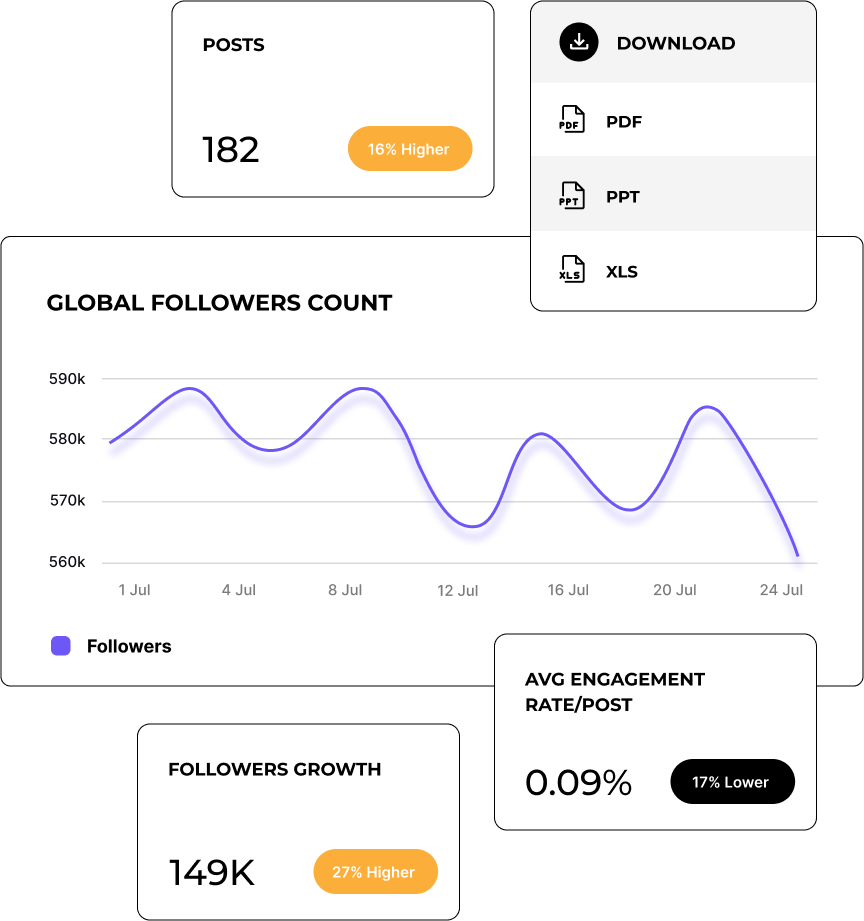
حلل أداء السوشيال ميديا باستخدام Socialinsider
تتيح لك أدوات أناليتيكس السوشيال ميديا وتحليل المنافسين من Sociainsider قياس أداء السوشيال ميديا وإجراء عمليات تدقيق ومقارنة الأداء.
ابدأ بإنشاء حساب تجريبي على Socialinsider
أضف المنافسين وقم بربط الحسابات التي تديرها.
احصل على جميع مقاييس الإنجيجمنت لأي حساب بيزنس على السوشيال ميديا.
قارن أدائك مع أفضل المنافسين لديك.
قم بتحليل متعدد القنوات لتقييم أداء السوشيال ميديا الخاص بك.
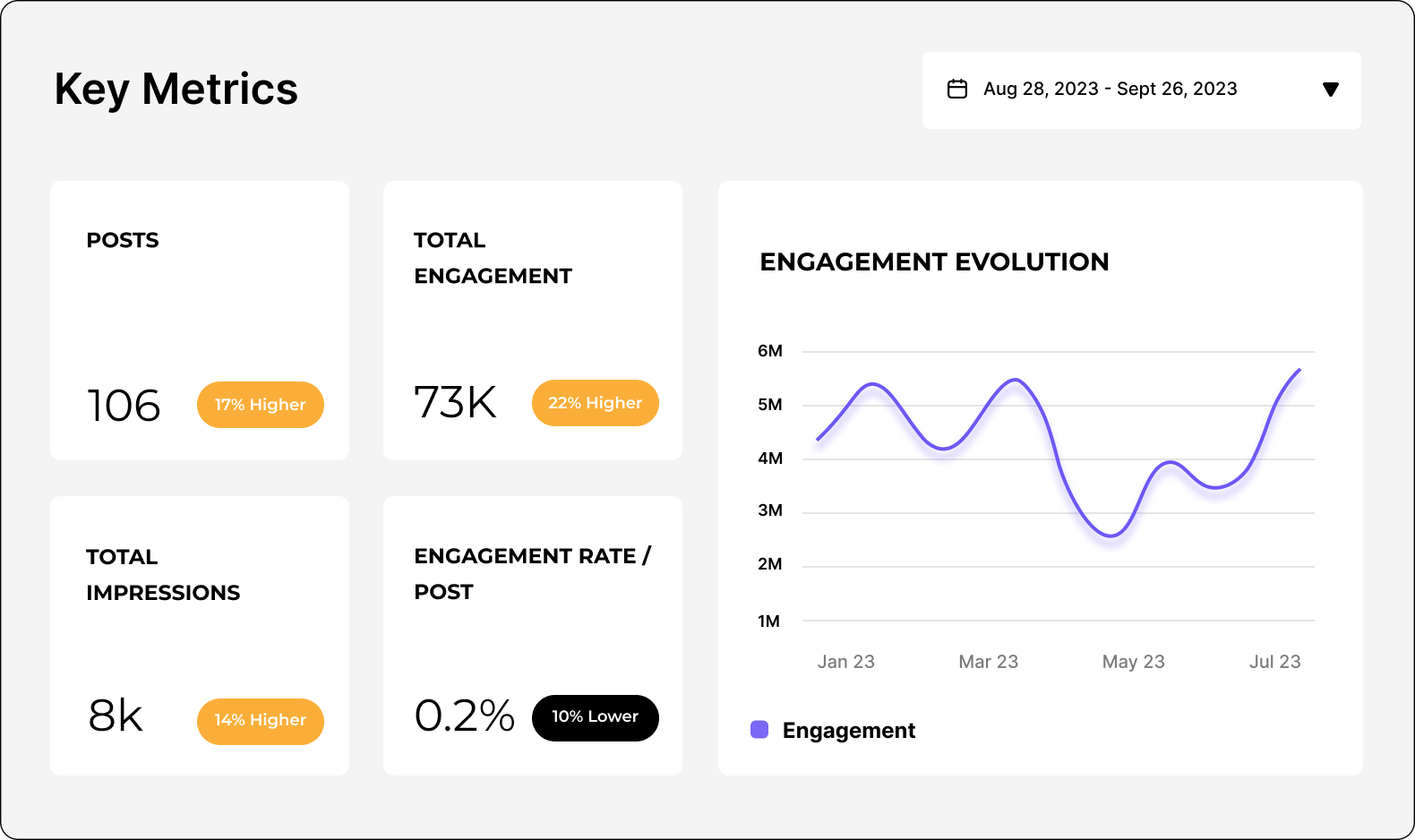
احصل على إنسايتس تنافسية واستكشف
مقاييس أناليتيكس السوشيال ميديا
ما يقولونه عنا
"خدمة العملاء كانت من ميزاتي المفضلة أيضًا. أنتم رائعون فعلًا. فريقكم سريع الاستجابة وودود جدًا ومتعاون. وهذا ليس أمرًا معتادًا."

"ساعدتنا Socialinsider على معرفة إذا كنا نتحسن أو نتراجع، خاصة بالمقارنة مع الحسابات الأخرى التي نتابعها."

"تتيح Socialinsider إجراء تحليل للمنافسين يمنح إنسايتس حول الأداء مقارنةً بالسوق."

"تحليل المشاعر مذهل بالنسبة إلى هاشتاغات Instagram. ساعدني داشبورد الاستماع إلى السوشيال ميديا الجديد هذا في التخطيط طويل الأمد."

"نستخدم لوحة أناليتيكس السوشيال ميديا هذه لكل عملائنا الأربعين في السوشيال ميديا. جميع بيانات الأداء متوفرة في مكان واحد."

"مع Socialinsider، أصبح فريقنا أكثر كفاءة. لم نعد بحاجة إلى قضاء الوقت في جمع بيانات السوشيال ميديا. وبدلًا من ذلك، يمكننا التركيز على الإنسايتس والتحليل."

"نستخدم Socialinsider للحصول على إنسايتس يومية عن السوشيال ميديا إذا احتجنا لتوضيح أي تغييرات استراتيجية بسيطة أو لمراجعة أداء بعض المنشورات."

"في المتوسط، يتطلب إعداد تقرير سوشيال ميديا لعلامة تجارية من ساعة إلى ساعتين عمل على Socialinsider، بينما كان سابقًا يستغرق يومًا كاملًا لجمع البيانات."

"وفرت لنا Socialinsider أكثر من ١٦٬٠٠٠ دولار سنويًا. ساعدتنا على توفير الوقت في إعداد التقارير الشهرية والتحليلات الطويلة والمعقدة."

الأسئلة الشائعة
لديك سؤال؟ لدينا الإجابات.
ما هو أناليتيكس السوشيال ميديا
لنكن صريحين، التسويق عبر السوشيال ميديا قد يكون فوضويًا وصعبًا. هناك دائمًا اتجاهات جديدة، أنواع محتوى حديثة، وأحيانًا تظهر منصات كاملة جديدة. الوصول إلى جماهير ضخمة قد يكون نعمة أو نقمة، فأزمة علاقات عامة ممكن أن تحدث بنقرة خاطئة.
هنا يأتي دور أناليتيكس التسويق عبر السوشيال ميديا.
أناليتيكس السوشيال ميديا يشير إلى عملية جمع وتحليل البيانات من منصات السوشيال ميديا مثل Facebook وInstagram وTikTok وLinkedIn وX (تويتر سابقًا) وYouTube. يمكن للمسوقين وأصحاب الأعمال استخدام أناليتيكس وتقارير السوشيال ميديا للتغلب على الضوضاء واكتشاف الإنسايتس حول علامتهم التجارية وأداء الكونتنت.
البيانات الصحيحة تخبرك بكل ما تحتاج معرفته عن جمهورك، والمنافسة، والسوق الأوسع، واتجاهات البلاتفورم، ونجاح الكونتنت والتكتيكات الخاصة بك. يمكنك فهم من تتحدث معه وكيف يتصرف، وماذا يحقق نتائج وما الذي يحتاج للتطوير. ثم قم بتحسين استراتيجيتك بناءً على ذلك.
باستخدام أناليتيكس السوشيال ميديا بشكل فعال، ستتحكم في الفوضى وتحقق وضوحًا وثقة أكبر في جهودك واستثماراتك التسويقية.
لماذا يحتاج المسوقون إلى تتبع أناليتيكس السوشيال ميديا
ترجع أهمية أناليتيكس السوشيال ميديا أساسًا إلى الوقت والمال والجهد المبذول لإدارة حساب تجاري. عندما تستثمر موارد ثمينة في استراتيجية تسويقية، فأنت تريد التأكد من إنفاقها بحكمة.
يحتاج المسوقون إلى إعطاء الأولوية لأناليتيكس السوشيال ميديا والتقارير للحصول على صورة واضحة عمّا ينجح وما لا ينجح في أعمالهم. يساعدك هذا على اتخاذ قرارات ذكية، وتحسين الاستراتيجيات، وتحقيق نتائج أقوى في نهاية المطاف.
إذا لم تكن البيانات من نقاط قوتك، فقد تتساءل عن مدى أهمية أناليتيكس السوشيال ميديا لاستراتيجيتك. ففي النهاية، يعتمد معظم المحتوى واسع الانتشار على الإبداع المحض. أليست وصفة النجاح مجرد حدس ممزوج بقليل من الحظ؟
حسنًا، إلى حد ما فقط. الحقيقة أن منصات السوشيال ميديا تعتمد على خوارزميات مبنية على البيانات. لذا، لإتقان الخوارزمية، عليك فهم البيانات.
سيساعدك تتبّع بيانات السوشيال ميديا على:
- قياس أداء العلامة التجارية - تقييم النجاحات والإخفاقات، وتتبع العائد على الاستثمار (ROI).
- فهم سلوك الجمهور - من هم؟ وما المحتوى الذي يتفاعلون معه؟ ومتى يكونون أكثر نشاطًا؟
- تحليل المحتوى والاتجاهات - تحديد المحتوى الذي يحقق نتائج، والاتجاهات التي قد تحدث فرقًا.
- تقييم المنافسين - مقارنة أدائك بأدائهم ورصد الفجوات أو الفرص.
- استشراف الاتجاهات - متابعة تحديثات المنصة والاتجاهات، ورصد الموضوعات والمحادثات ذات الصلة.
باختصار، يمكنك معرفة منصات السوشيال ميديا الأنسب لعلامتك التجارية، والحملات الأكثر والأقل فاعلية، والمحتوى الذي يحقق أعلى مستوى من الظهور والإنجيجمنت.
ستمكّنك هذه الإنسايتس من اتخاذ قرارات مبنية على البيانات لاستراتيجيتك، سواء بشأن توزيع الموارد وإدارة الميزانية وتحسين الحملات، أو إعطاء الأولوية للمنصات والأساليب المجدية من حيث التكلفة.
تذكّر أن السوشيال ميديا تنطوي على إمكانات هائلة:
- يكتشف ٤٣% من العملاء منتجات جديدة عبر السوشيال ميديا
- يُجري ٦٦% من العملاء عمليات شراء بعد مشاهدة منشور على السوشيال ميديا
لذا، لا تفوّتوا هذه الفرصة! فالمسوقون الذين يضعون الأناليتيكس في صميم تقارير السوشيال ميديا أقدر بكثير على الاستثمار بحكمة، والحفاظ على رضا أصحاب المصلحة، وصقل مهاراتهم، وبناء خبراتهم.
ما أنواع أناليتيكس السوشيال ميديا؟
هناك عدة أنواع مختلفة من أناليتيكس السوشيال ميديا، ويمكن تصنيفها عمومًا إلى: الأناليتيكس الوصفي، والأناليتيكس التشخيصي، والأناليتيكس التنبؤي، والأناليتيكس الإرشادي، والأناليتيكس الفوري، وأناليتيكس المنافسين، وأناليتيكس المشاعر، وأناليتيكس المؤثرين، وأناليتيكس المحتوى، وأناليتيكس الجمهور.
تتضمن كل فئة مقاييس أساسية (تذكّر أن الأناليتيكس هو تفسير البيانات لاكتشاف الأنماط واستخلاص الإنسايتس واتخاذ قرارات استراتيجية؛ أما المقاييس فهي البيانات الخام).
إذا بدا لك هذا كثيرًا، فلا تقلق—فالأمر أبسط مما يبدو. إليك دليلًا مختصرًا لأناليتيكس السوشيال ميديا يعرّفك بالفئات المختلفة:
ما هو الأناليتيكس الوصفي؟
يعتمد الأناليتيكس الوصفي على البيانات السابقة. ومن خلال تلخيص مقاييس مثل المتابعين والإعجابات والمشاركات والتعليقات والإمبريشنز، يمكنك إنشاء تقرير لأناليتيكس الأداء لفترات زمنية محددة، لتتبع النمو قصير وطويل المدى.
أمثلة على الأناليتيكس الوصفي:
- مقاييس الإنجيجمنت: الإعجابات والمشاركات وإعادات النشر والتعليقات
- نمو الجمهور: معدل اكتساب المتابعين أو فقدانهم
- أداء المحتوى: المنشورات عالية الأداء أو منخفضة الأداء
ما هو الأناليتيكس التشخيصي؟
يتعمق الأناليتيكس التشخيصي في السبب الجذري لأحداث أو نتائج معينة في تقارير السوشيال ميديا. ويمكنك تحديد أسباب ملموسة للنجاح أو الفشل، بدلًا من الشعور بأنك تعمل في الظلام.
أمثلة على الأناليتيكس التشخيصي:
- تحليل معدل الإنجيجمنت: تحديد سبب حصول بعض المنشورات على إنجيجمنت أعلى أو أقل—هل يعود ذلك إلى الصيغ أو الموضوعات أو وقت النشر؟
- تحليل المشاعر: تحديد أسباب ردود الفعل المختلفة (الإيجابية أو المحايدة أو السلبية).
- تحليل الاتجاهات: اكتشاف الأنماط لفهم سبب انتشار بعض أنواع المحتوى أو الموضوعات.
ما هو الأناليتيكس التنبؤي؟
يعتمد الأناليتيكس التنبؤي على البيانات الحالية والأداء السابق من أجل التنبؤ بالاتجاهات أو النتائج المستقبلية. ويمنحك إحساسًا أكبر بالسيطرة على مشهد السوشيال ميديا الذي يصعب التنبؤ به غالبًا، لتستعد للمخاطر مسبقًا أو تستفيد من فرص النمو.
أمثلة على الأناليتيكس التنبؤي:
- التنبؤ بالإنجيجمنت: توقّع أداء المنشورات المستقبلية استنادًا إلى الإنجيجمنت السابق.
- توقعات نمو الجمهور: تقدير نمو المتابعين مستقبلًا استنادًا إلى المعدلات الحالية.
- التنبؤ بالاتجاهات: تحديد المحتوى المحتمل انتشاره أو الاتجاهات الناشئة للاستفادة منها.
ما هو الأناليتيكس الإرشادي؟
يتجاوز الأناليتيكس الإرشادي الأناليتيكس التنبؤي بخطوة من خلال اقتراح الإجراءات اللازمة بنشاط. وتستند هذه التوصيات إلى البيانات الحالية، وقد صُممت لتعزيز أدائك.
أمثلة على الأناليتيكس الإرشادي:
- توصيات استراتيجية المحتوى: أنواع المحتوى أو أفضل أوقات النشر لتحقيق ريتش وإنجيجمنت مثاليين.
- تعديلات الاستهداف: شرائح الجمهور التي ينبغي التركيز عليها في حملاتك.
- تخصيص الموارد: كيفية توزيع الإنفاق التسويقي بين منصات السوشيال ميديا المختلفة لتحقيق أقصى عائد على الاستثمار.
ما هو الأناليتيكس الفوري؟
يتتبع الأناليتيكس الفوري البيانات المباشرة ويحللها، لتتمكن من مراقبة الحملات أو الاستجابة للأحداث أثناء وقوعها. ومن خلال متابعة ما يحدث عن كثب، يمكنك إجراء تغييرات سريعة أو الاستفادة من الزخم.
أمثلة على الأناليتيكس الفوري:
- مراقبة الحملات المباشرة: تتبع أداء حملة أو فعالية مباشرة لإجراء تعديلات فورية.
- إدارة الأزمات: راقب الإشارات إلى العلامة التجارية وتتبع المشاعر لمعالجة أي مشكلات في العلاقات العامة فورًا.
- الاستماع الاجتماعي: راقب المحادثات حول علامتك التجارية أو منتجك أو قطاعك أثناء حدوثها.
ما هو أناليتيكس المنافسين؟
يوفر أناليتيكس السوشيال ميديا التنافسي بيانات عن حسابات المنافسين وأنشطتهم—أو ببساطة عن العلامات التجارية التي تعجبك. ويساعدك ذلك على إجراء البنشمارك للأداء، وتحديد فرص النمو استنادًا إلى نقاط قوة المنافسين أو ضعفهم، والحصول على أفكار وإلهام لمحتواك، ورصد اتجاهات القطاع، وتوقّع الخطوات التالية.
أمثلة على أناليتيكس المنافسين:
- التحليل المقارن للإنجيجمنت: تعرف على ترتيب مقاييس الإنجيجمنت لديك مقارنة بالمنافسين.
- مقارنة استراتيجية المحتوى: حلّل ما ينشره المنافسون وكيفية أدائه.
- التموضع في السوق: استخدم تقرير تحليل المنافسين لفهم كيفية النظر إليك ضمن فئتك.
ما هو أناليتيكس المشاعر؟
يراقب أناليتيكس المشاعر العواطف والآراء في تفاعلات السوشيال ميديا لقياس مشاعر الناس تجاه علامتك التجارية. ويساعدك ذلك على فهم الانطباع العام ورضا العملاء، لتتمكن من تعزيز التعليقات الإيجابية، ومعالجة أي مخاوف، وحماية سمعة علامتك التجارية.
أمثلة على أناليتيكس المشاعر:
- درجة المشاعر: درجة صافية توضح مدى إيجابية أو سلبية أو حيادية مشاعر الناس تجاه علامتك التجارية.
- تحليل اتجاهات المشاعر: تتبع تغيرات المشاعر بمرور الوقت، خصوصًا بعد الأحداث أو الحملات المهمة.
- تحليل ملاحظات العملاء: قيّم مشاعر المراجعات أو التعليقات للاستفادة منها في تطوير منتجك.
ما هو أناليتيكس المؤثرين؟
يستخرج أناليتيكس المؤثرين البيانات من ملفات المؤثرين وحملاتهم ويفسرها. ويمنحك ذلك توجيهًا حول المؤثرين الذين ينبغي التواصل معهم للتعاون، وتأثير الحملات التي تعمل عليها.
أمثلة على أناليتيكس المؤثرين:
- تحديد المؤثرين: العثور على مؤثرين مناسبين يتمتعون بزخم مثبت للحملات والتعاونات.
- تأثير الحملة: قياس الريتش والإنجيجمنت والتحويلات التي تحققها حملات المؤثرين.
- عائد الاستثمار للمؤثرين: حساب العائد على الاستثمار في شراكات المؤثرين.
ما هو أناليتيكس المحتوى؟
يمنحك أناليتيكس المحتوى إنسايتس تفصيلية وإجمالية حول أداء محتواك، سواء للمنشورات الفردية أو للمنشورات المجمعة حسب الموضوع أو الصيغة. ويساعدك ذلك على تقديم أفضل محتوى ممكن، من خلال التركيز على أنواع المحتوى الفعالة وتقليل التركيز على الأنواع غير الفعالة.
أمثلة على أناليتيكس المحتوى:
- أداء نوع المحتوى: يوضح لك تقرير أناليتيكس المنشورات أنواع المحتوى (مثل الفيديوهات ومنشورات الصور والروابط واستطلاعات الرأي والمنشورات النصية وغيرها) الأكثر نجاحًا.
- تحليل الموضوعات: يحدد تقرير أناليتيكس الإنجيجمنت الموضوعات الأكثر شعبية استنادًا إلى تفاعل الجمهور.
- وتيرة المحتوى: حدّد معدل النشر المناسب لتحقيق ريتش وإنجيجمنت مثاليين.
ما هو أناليتيكس الجمهور؟
يوضح لك تقرير أناليتيكس الجمهور الخصائص الديموغرافية والسلوكيات والتفضيلات لدى جمهورك المستهدف. ويساعدك ذلك على تطوير محتوى يلقى صدى، والاستماع إلى احتياجات عميلك المثالي وتلبيتها، وجذب العملاء المحتملين المؤهلين، وتحسين الرسائل—لتحقيق كفاءة تسويقية أكبر وتعزيز المنتجات أو الخدمات.
أمثلة على أناليتيكس الجمهور:
- التوزيع الديموغرافي: عمر جمهورك المستهدف وجنسه وموقعه واهتماماته.
- أنماط الإنجيجمنت: تقسيم جمهورك لمعرفة كيفية تفاعل الشخصيات المختلفة مع محتواك.
- تداخل الجمهور: تحديد ما إذا كنت تشترك في جمهور مع منافس أو مؤثر.
كيفية تتبع أناليتيكس السوشيال ميديا؟
إذا كنت تتساءل عن كيفية مراجعة أناليتيكس السوشيال ميديا، يمكنك تتبع البيانات من منصات مختلفة باستخدام أدوات متنوعة.
كيفية تتبع أناليتيكس السوشيال ميديا: خطوة بخطوة
- قبل أي شيء، حدّد أهدافك ومؤشرات الأداء الرئيسية بوضوح. فكّر في ما يلي:
- كيف تخدم السوشيال ميديا استراتيجيتك التسويقية الشاملة؟ (الوعي بالعلامة التجارية، دعم العملاء، مناصرة الموظفين، المبيعات المباشرة، إلخ.))
- ما الأهداف الواقعية والقابلة للتحقيق؟
- اختر أداة احترافية لأناليتيكس السوشيال ميديا. لكل منصة سوشيال ميديا تطبيق أناليتيكس أصلي، أو يمكنك الحصول على أناليتيكس أكثر تقدمًا باستخدام أداة خارجية مثل Socialinsider.
- تتبّع البيانات وحلّلها. انتبه جيدًا إلى مؤشرات الأداء الرئيسية لديك وحدّد الأنماط أو الاتجاهات.
- أعد تقريرًا بنتائجك. أنشئ تقرير أناليتيكس للسوشيال ميديا لعرض أهم الإنسايتس ومشاركتها مع أصحاب المصلحة.
- عدّل استراتيجيتك وأوبتمايزها . اتخذ قرارات قائمة على البيانات لتحسين أدائك.
كيفية تتبع أناليتيكس السوشيال ميديا باستخدام Socialinsider
Socialinsider أداة أناليتيكس متكاملة تشمل Tik Tok وInstagram وLinkedIn وFacebook وX وYouTube في داشبورد سهلة الاستخدام واحدة، ما يسهّل حياة المسوّقين المشغولين قليلًا. يمكنك مقارنة الأداء عبر القنوات، والحصول على تحليل للمنافسين، والوصول إلى إنسايتس الاستماع، والاطلاع على البنشماركس والمزيد، إلى جانب أناليتيكس متعمقة للمنصات.
أي مقاييس السوشيال ميديا يجب تتبعها؟
هناك العديد من أنواع المقاييس التي يمكنك تتبعها في تسويق السوشيال ميديا، لكن ما هي الأكثر أهمية لك؟ أجرينا استطلاعاً مع مسوّقين محترفين في أكثر الصناعات نشاطاً على السوشيال، ضمن تقرير السوشيال ميديا ٢٠٢٤. إليك أهم المقاييس التي يجب تتبعها:
- مقاييس الإنجيجمنت - ٪٧٨٫٥١
كيف يتفاعل جمهورك مع كونتنتك عبر الإعجابات، الكومنتات، المشاركات، الحفظ وغيرها. - الريتش والإمبريشنز - ٪٦٨٫٦
مقاييس الظهور التي تعكس انتشار البراند.
الريتش: عدد المستخدمين الفريدين الذين شاهدوا الكونتنت الخاص بك.
الإمبريشنز: إجمالي عدد المرات التي ظهر فيها كونتنتك للمستخدمين حتى لو لم يتفاعلوا معه. - نمو الفولوورز والديموغرافيات - ٪٦٤٫٤٦
إنسايتس عن جمهورك وكيفية نموه.
نمو الفولوورز: معدل الزيادة أو النقصان في عدد المتابعين لديك.
الديموغرافيات: خصائص الجمهور مثل العمر، الجنس، الموقع، الاهتمامات، الصناعة، وغيرها. - حركة السوشيال ميديا إلى الموقع - ٪٥٢٫٠٧
كمية الزيارات التي ترسلها قنوات السوشيال ميديا إلى موقعك، تُقاس بعدد الزوار (عادة يتم تتبعهم عبر الروابط المرجعية في Google Analytics). - معدلات النقر على الروابط - ٪٤٣٫٨
نسبة الأشخاص الذين نقروا على رابط في منشور أو إعلان السوشيال، من مجموع الإمبريشنز. - معدلات التحويل والعملاء المحتملين - ٪٣٤٫٧١
مقاييس تساعدك في حساب عائد الاستثمار من تسويق السوشيال ميديا.
معدل التحويل: نسبة المستخدمين الذين أتموا إجراءً مطلوباً (مثال: الشراء) بعد التفاعل مع كونتنتك على السوشيال ميديا.
العملاء المحتملون: عدد العملاء المحتملين الذين تم الحصول عليهم من أنشطة السوشيال ميديا وأبدوا اهتماماً بمنتجاتك أو خدماتك (مثال: ملء نموذج تواصل).
كيف تستخدم أناليتيكس السوشيال ميديا؟
الآن بعد أن عرفت أي المقاييس يجب تتبعها، كيف تستفيد منها عمليًا؟
بعد تحديد أهدافك وKPIs، جهّز الداشبورد وابدأ في تتبع بياناتك، قد تتساءل كيف تستغل هذه الإنسايتس وتطبق أناليتيكس السوشيال ميديا ضمن استراتيجيتك.
المفتاح هو التحليل والتقارير المنتظمة. استهدف تقارير شهرية على الأقل، ويفضل أسبوعية إذا أردت الاستفادة الكاملة من أناليتيكس السوشيال. ولا تنسَ المراجعات الشاملة ربع السنوية أو السنوية أيضاً.
إليك أفضل الممارسات الحديثة للاستفادة من أناليتيكس السوشيال ميديا في التسويق.
كيفية عمل تحليل للسوشيال ميديا
- تحديد الأنماط - لا تكتفِ بملاحظة الأرقام منفردة. اربط بين المقاييس والفترات الزمنية والأحداث. هذا يساعدك على تقييم المسار نحو تحقيق KPIs وضبط الأهداف عند الحاجة.
- راقب سلوك الجمهور - حلل الديموغرافيات، أوقات النشاط الأعلى واهتمامات الكونتنت لتحسين استهدافك.
- قياس أداء الكونتنت - تحقق من أنماط الريتش والإنجيجمنت. جرّب أشكال وأساليب مختلفة واختبر الهاشتاغات القوية لزيادة التأثير.
- استمع للاتجاهات وراقب التريندات - مراقبة المحادثات والاتجاهات تعزز الكونتنت، تدعم تطوير المنتجات وتجعل اختبارات الأنواع الجديدة (كالڤيديو) أكثر فاعلية. توجهك لاختيار شركاء الإنفلونسر الأفضل.
- مراقبة سمعة البراند - تابع تحليلات المشاعر ورد بسرعة على التعليقات لتحمي وتزيد من قوة سمعتك.
- تحليل المنافسين - اعمل بنشمارك KPIs الخاصة بك مع المنافسين أو العلامات التي تلهمك. حلل محتوى ونشاط الحسابات الأخرى لاستلهام الأفكار.
- تحسين الإعلانات والحملات المدفوعة - تتبع أداء الكامبين، حسّن الاستهداف وعدّل الميزانية بسهولة بمساعدة أناليتيكس السوشيال المدفوعة.
- راقب الترافيك والتحويلات باستخدام Google Analytics - تعرّف على دور السوشيال ضمن استراتيجيتك الأكبر من خلال تتبع الزيارات من السوشيال، وتحليل سلوك الزائر على الموقع وتقييم التحويلات (CRO).
كيفية تفسير أناليتيكس السوشيال ميديا؟
النجاح في تسويق السوشيال ميديا يتطلب مزيجًا من مهارات متنوعة—من الإبداع العالي إلى تحليل البيانات العميق. هل وجدت صعوبة في فهم معنى أناليتيكس السوشيال ميديا بالنسبة لك؟ الأهم أن تركز على سرد القصة بدل الاكتفاء بعرض الأرقام على الداشبورد.
إليك بعض النصائح لفهم أناليتيكس السوشيال ميديا كي تتمكن من تحويل البيانات الخام إلى إنسايتس ذات معنى لمشاركتها مع فريقك.
كيفية قراءة أناليتيكس السوشيال ميديا: المقاييس الأساسية
- الريتش: ريتش مرتفع يعني وضوح قوي على البلاتفورم واكتشاف علامتك من قبل جمهور أكبر. إذا ارتفع الريتش، ينمو جمهورك. إذا كان منخفضًا، عليك أوبتمايز استراتيجية المحتوى للخورزميات عن طريق تجربة أنواع جديدة أو تغيير أوقات النشر.
- الإمبريشنز: يشبه الريتش ويعكس مدى ظهور المحتوى، لكنه يحتسب عدد مرات عرض الكونتنت الإجمالي — أي يمكن للمستخدم نفسه رؤية منشورك عدة مرات، خاصة عند كثرة المشاركة.
- الإنجيجمنت: يظهر مدى ملاءمة وتأثير الكونتنت لجمهورك. إنجيجمنت مرتفع يعني جاذبية علامتك، المنخفض يعني أنك تحتاج إلى تحسين.
- معدل الإنجيجمنت: يوضح علاقة الرؤية بالإنجيجمنت، أي النسبة المئوية للأشخاص المتفاعلين مع الكونتنت من بين من شاهدوه. معدل إنجيجمنت منخفض يعني أن الناس يشاهدون محتواك ولا يتفاعلون معه، ربما بسبب الموضوع أو الأسلوب.
- المتابعون: يقيس معدل نمو أو فقدان الفولوورز. نمو متواصل يعني أن كونتنتك يجذب لمتابعة مستمرة. ركود أو انخفاض عدد المتابعين يعني أنك لا تقدم لهم سببًا للمتابعة.
- الترافيك والتحويلات: تتبع أفعال الجمهور بعد التفاعل مع علامتك على السوشيال ميديا (مثل زيارات الموقع، تعبئة النماذج، الإيميلات، أو التحميلات) يعكس نجاح الاستراتيجية. معدل نقر عالٍ أو نسبة تحويل مرتفعة تعني أن الكونتنت لديك مقنع. المعدلات المنخفضة تعني الحاجة لتقوية CTA أو أوبتمايز صفحات الهبوط أو تعديل الاستراتيجية.
- المزاج العام (Sentiment): يكشف شعور الناس تجاه الكونتنت والعلامة التجارية. إذا كان إيجابيًا، استثمره بمشاركته أو تحويله إلى كامبين. إذا كان سلبيًا أو محايدًا، عالج المشاكل المسببة لعدم الرضا.
كيفية تقييم الأداء مع الوقت
النجاح في السوشيال ميديا يتطلب الاستمرارية والعزيمة ولا يتحقق بين ليلة وضحاها. لهذا تقييم أدائك عبر الأشهر أو السنوات مهم جدًّا.
- راقب الأنماط والاتجاهات مثل ارتفاع الإنجيجمنت أو انخفاض الريتش أو ثبات نمو الفولوورز.
- لاحظ تأثير أيام أو أوقات أو مواسم معينة على الأداء.
- قارن الفترات السابقة بمستجدات الاستراتيجية أو التغييرات في الخوارزميات.
كيفية اكتشاف الكونتنت عالي الأداء
يمكنك بسهولة ملاحظة الكونتنت الناجح من خلال مقاييس مثل الريتش، الإمبريشنز، النقرات، المشاهدات والإنجيجمنت. باستخدام أداة أناليتيكس متقدمة مثل Socialinsider، يمكنك تحليل أنواع الكونتنت المتنوعة ومعرفة أسباب تفوقها وتكرار هذه العوامل.
كيفية تقييم أناليتيكس الجمهور
حلل ديموغرافية جمهورك لرؤية جمهورك الحالي والمستهدف.
- هل جمهور السوشيال ميديا لديك يتطابق مع الجمهور المثالي؟
- هل هناك روابط بين تكتيكات معينة (مثل كثرة منشورات TikTok) وتغير التركيبة السكانية للجمهور؟
- هل هناك فرص لاستهداف جمهور جديد مثل التعاون مع مؤثرين أو إنتاج كونتنت محلي؟
كيفية فهم تحليل المنافسين
افحص محتوى واستراتيجيات المنافسين بتمعن. راقب أنواع الكونتنت والنشاط لديهم لتتعلم منها أو تبتكر شيئًا جديدًا. مثلاً، إذا كان منافسك ينشر فيديوهات أكثر ويحصل على ريتش وإنجيجمنت أعلى باستمرار، ربما عليك الاستثمار في الفيديو.
كيفية تقييم أداء الحملات
جنبًا إلى جنب مع أناليتيكس السوشيال ميديا العضوية، يمكنك قياس الأثر للحملات المدفوعة عبر الإنجيجمنت، الريتش، الترافيك والتحويلات. إذا كانت مرتفعة، حدد أسباب نجاحها وكررها. إذا كانت ضعيفة، عدل الرسائل أو الاستهداف أو الكونتنت.
وباختصار، إذا فسرت البيانات بدقة وفعالية ستتمكن من:
- تكرار الصيغ الناجحة
- تحسين نقاط الضعف
- المخاطرة بتجربة أشياء جديدة بثقة
- تعديل الاستراتيجيات الحالية
كيف تعرض أناليتيكس السوشيال ميديا؟
يستهلك تسويق السوشيال ميديا موارد هائلة، لذا عليك إثبات للإدارة وأصحاب المصلحة ولنفسك أن كل هذا الجهد والاستثمار يستحقان ذلك. بعبارة أخرى، يجب أن يحققا عائدًا ملموسًا، مثل العملاء المحتملين المؤهلين والتحويلات والإيرادات.
وهنا يأتي دور تقارير السوشيال ميديا. سيؤدي عرض أناليتيكس السوشيال ميديا من خلال تقارير واضحة وجذابة وقابلة للتنفيذ إلى إثبات ROI الذي يكسب دعم بقية فريقك أو شركتك.
أفضل ٣ طرق لمشاركة تقارير السوشيال ميديا
وفقًا لتقريرنا عن حالة السوشيال ميديا لعام ٢٠٢٤:
- الداشبوردات (مثل التصورات التفاعلية في Tableau أو الأدوات الأخرى) - ٪٢٩٫٤١
- العروض التقديمية والاجتماعات الحضورية - ٪٢٦٫٠٥
- التقارير الرسمية الثابتة (ملفات PDF)؛ أو الاجتماعات الدورية السريعة - ٪٢١٫٠١
أفضل الممارسات لإعداد تقارير السوشيال ميديا
- ركّز على الميتريكس والإنسايتس المناسبة لجمهورك المستهدف.
يعتمد ما تقدمه في تقريرك على الجهة التي تقدم التقرير إليها. هل تقدم التقرير إلى منتجي المحتوى الذين يحتاجون إلى فهم كيفية تحقيق نصوصهم أو إنتاجهم للفيديوهات للنتائج؟ في هذه الحالة، عليك التركيز على أناليتيكس أكثر تفصيلًا للمحتوى. أما إذا كنت تعرض التقرير على المسؤولين التنفيذيين، فعليك تقديم صورة أوسع، أي ميتريكس عالية المستوى وROI مثبتًا. - اربط النقاط واحكِ قصة.
لا تكتفِ بعرض البيانات الأولية أو الميتريكس المنفصلة. اربط كل شيء معًا لتوضيح كيفية مساهمة الإجراءات المختلفة في النتائج الإجمالية. سلط الضوء على الأنماط والاتجاهات بمرور الوقت، وأرجعها إلى العوامل أو المحركات الرئيسية. - استخدم العناصر المرئية.
يمكن للمخططات والرسوم البيانية ولقطات الشاشة أن تبعث الحياة في البيانات، ما يسهّل على جمهورك رؤية التقدم بمرور الوقت وفهم القيمة الفعلية لمجموع هذه الميتريكس.
قالب تقرير أناليتيكس السوشيال ميديا
إذا كنت تتساءل عن كيفية تنظيم تقارير أناليتيكس السوشيال ميديا، فإليك قالبًا يمكنك اتباعه.
- ابدأ بمقدمة قصيرة أو ملخص تنفيذي: نظرة موجزة على الغرض الرئيسي من التقرير ونتائجه وأبرز استنتاجاته.
- كرّر الأهداف وKPI حتى يفهم الجميع ما الذي تسعى استراتيجية السوشيال ميديا إلى تحقيقه.
- شارك نظرة عامة على الميتريكس الرئيسية —المعلومات الأساسية عن عدد المتابعين ونموهم، وإجمالي الإمبريشنز أو الريتش، وإجمالي الإنجيجمنت، ومتوسط معدلات الإنجيجمنت، وغير ذلك.
- اعرض أفضل المنشورات أداءً عبر لقطات الشاشة، مع إرفاق KPI الخاصة بها (ويمكنك فعل الشيء نفسه مع المنشورات الأقل أداءً).
- قدّم بعض الإنسايتس حول الجمهور وسلوكه، موضحًا التوزيعات الديموغرافية، وفترات ذروة النشاط، وتفضيلات المحتوى، وأي تغييرات طرأت عليها منذ التقرير الأخير.
- اطّلع على أناليتيكس المنافسين —ما ترتيبك في ميتريكس مثل المتابعين أو الإمبريشنز أو الإنجيجمنت؟
- نقاط العمل والخطوات التالية —لا تنسَ هذا الجزء! فمن الضروري تحويل هذه الإنسايتس إلى أفكار عملية.
كيفية حساب ROI
لا تستطيع معظم أدوات أناليتيكس السوشيال ميديا حساب ROI لجهودك على السوشيال ميديا لأنها لا تملك إمكانية الوصول إلى بيانات بقية مسار التحويل (مثل زوار موقعك الإلكتروني).
ومع ذلك، من السهل نسبيًا حساب ROI للسوشيال ميديا بنفسك.
ROI = (المكاسب من السوشيال ميديا) / (تكلفة السوشيال ميديا) × ١٠٠
يمكنك عرض ROI من خلال مؤشرات الأداء الرئيسية والميتريكس مثل:
- المبيعات / الإيرادات
- العملاء المحتملون / عمليات إرسال المحتوى
- حركة المرور / الزوار
- ميتريكس الوعي بالعلامة التجارية / الظهور
- الانطباع / المحادثات والتفاعلات
ماذا تقدم أناليتيكس المتقدمة للسوشيال ميديا؟
يستخدم الأناليتيكس المتقدم للسوشيال ميديا تحليلًا أكثر تطورًا للبيانات والذكاء الاصطناعي لتزويد الشركات والمسوقين بإنسايتس أعمق حول أداء علاماتهم التجارية. ويتجاوز ذلك المقاييس البسيطة مثل الإعجابات والريتش والتعليقات والمشاركات لاستخراج أنماط واتجاهات أكثر فائدة، يمكنها توجيه عملية اتخاذ قرارات تستند إلى البيانات.
يمكن لأدوات الأناليتيكس المتكاملة مثل Socialinsider مساعدتك في:
- مقارنة الأداء عبر القنوات.
يجمع أناليتيكس المنصات المتعددة البيانات من عدة منصات للسوشيال ميديا (مثل Facebook وInstagram وLinkedIn) ليمنحك تصورًا عن أداء تسويقك عبر السوشيال ميديا بشكل شامل. وستوضح لك هذه الإنسايتس عبر القنوات منصات السوشيال ميديا الأكثر فعالية، لتتمكن من تخصيص الموارد وتعديل الاستراتيجيات. - الحصول على تحليل المنافسين والبنشمارك.
يمكن للأناليتيكس المتقدم تتبع نشاط الحسابات الأخرى ونمو المتابعين ومعدلات الإنجيجمنت وأداء المحتوى، وليس حسابك فقط. ويمنحك ذلك بنشمارك لمؤشرات KPI ومعلومات تنافسية تساعدك على توجيه استراتيجيتك—مثل تكرار التكتيكات الناجحة التي تستخدمها علامات تجارية أخرى، أو اغتنام فرصة لم يكتشفها منافسوك بعد. - إجراء تحليل المشاعر.
يمكن لبرامج الأناليتيكس القوية استخدام معالجة اللغة الطبيعية لقياس المشاعر. ومن خلال تحليل النبرة العاطفية للتعليقات والإشارات والمحادثات حول نشاطك التجاري، يمكنك تقييم مشاعر جمهورك تجاه علامتك التجارية (إيجابية أو سلبية أو محايدة). ويساعدك ذلك على إدارة سمعة علامتك التجارية، والسيطرة على أزمات العلاقات العامة المحتملة، والاستفادة من ملاحظات العملاء في تطوير المنتجات والمحتوى والحملات. - إجراء الاستماع الاجتماعي وتحليل الاتجاهات.
يمثل الاستماع الاجتماعي الفوري جزءًا أساسيًا من التحليل التنبؤي: فمن خلال مراقبة الاتجاهات الناشئة والهاشتاغات الشائعة أو المحادثات المتنامية، يمكنك البقاء على اطلاع بجمهورك والتقدم بخطوة على المنافسين. وقد يساعدك ذلك في كل شيء، بدءًا من إضافة بصمتك إلى اتجاه منتشر على Tik Tok، وصولًا إلى الاستجابة السريعة للطلب على منتج جديد تمامًا. - تحسين المنشورات والحملات من خلال تحليل مفصل للمحتوى.
يمنحك أناليتيكس السوشيال ميديا الذكي رؤية تفصيلية وعلى مستوى شامل لأداء محتواك، لتتمكن من تحسين استراتيجيات النشر والحملات. ويمكنك تحليل متغيرات مثل صيغة المنشور ووقت النشر والعناصر المرئية والرسائل، أو التراجع لرؤية ركائز المحتوى أو الموضوعات الأفضل أداءً.
هذا ليس سوى جزء بسيط مما يمكن أن يقدمه الأناليتيكس المتقدم، لذلك يُعد الاستثمار في البرنامج المناسب أمرًا أساسيًا لتسويق فعال للسوشيال ميديا يستند إلى البيانات ويحقق عائدًا على الاستثمار.
ابدأ باستخدام أناليتيكس السوشيال ميديا المتقدمة وانطلق بعلامتك التجارية إلى القمة على السوشيال!
اطلع على بيانات أناليتيكس السوشيال ميديا المتعمقة واحصل على إنسايتس استراتيجية تساعدك في أوبتمايز استراتيجية السوشيال ميديا وتحقيق ميزة تنافسية.